
Novoads vs Creatify: Product-in-Hand UGC or Paste-a-URL Ad Volume
Creatify turns a pasted product URL into AI-avatar ads, with a watermarked free plan built for ecommerce volume. Novoads starts from a product image, ships 30+ languages with real regional accents, and outputs ad-ready files from $49/month. Here is how they compare and when to pick each.

Mauricio Valdivia
·10 min
Paste a URL, or start from your product
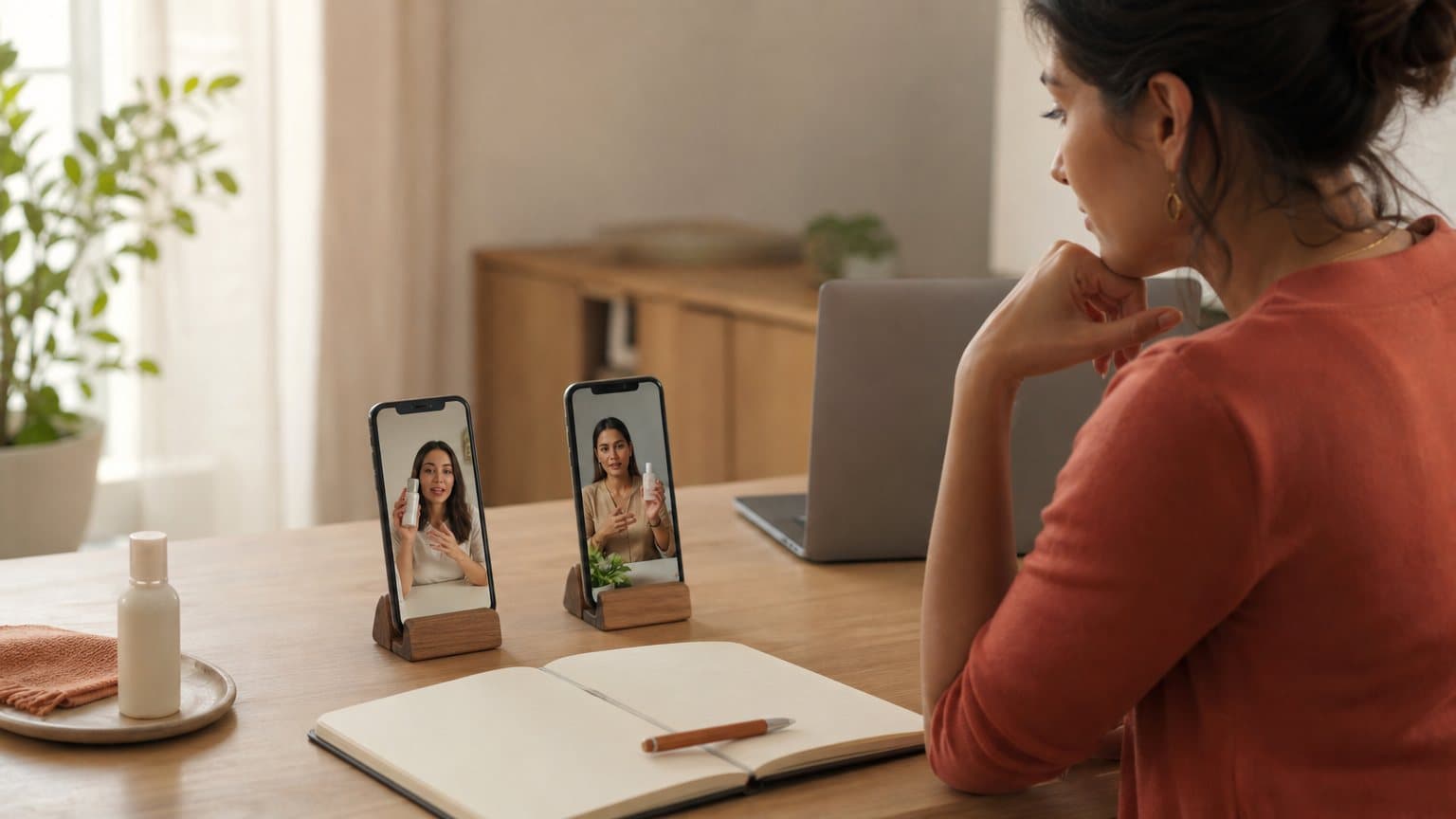
An ecommerce marketer with a hair-care line wants AI UGC ads, and she narrows the field to two tools: Novoads and Creatify. In Creatify she pastes the product page URL and a polished AI-avatar ad comes back fast. In Novoads she uploads a photo of someone holding the bottle to create a custom actor, writes a script, and that actor holds the bottle on camera. Both are believable ads. The output is not the problem.
So the real question is not which tool makes a working ad. It is which front door fits how she works: does the creator need to hold the actual product, does the voice have to sound local in three markets, and how does she want to start. Creatify has earned its place as the paste-a-URL workhorse for ecommerce volume, and that reputation is fair. This is an honest head-to-head, not a takedown.
The two tools are built around different bets about where an ad gets made. Creatify bets on the on-ramp: get from a product URL to an avatar ad as fast as possible, at volume. Novoads bets on the last mile: the product in the creator's hands, through a custom actor made from a photo of someone holding it, in the right language, ready to publish. That difference, not raw quality, is what should decide it. If you want the wider field, our best Creatify alternatives guide covers the category; this one is the close-up.
What each one is built for
Before the dimensions, it helps to name what each tool optimizes for, because that is the whole comparison in miniature.
Creatify: URL-to-ad volume
Creatify is built to get you from a product page to an ad with as little setup as possible. Its signature move is the URL-to-ad workflow: paste a product URL and it generates an AI-avatar ad, and you can run that at scale with batch. It also has a watermarked free plan, so a store can start producing ads at near-zero cost before paying, with affordable paid tiers above it. For a high-SKU catalog where the product description already lives on the page, that on-ramp is genuinely fast, and it leans toward avatar and template-driven ads built for volume.
Novoads: product-in-hand, local UGC
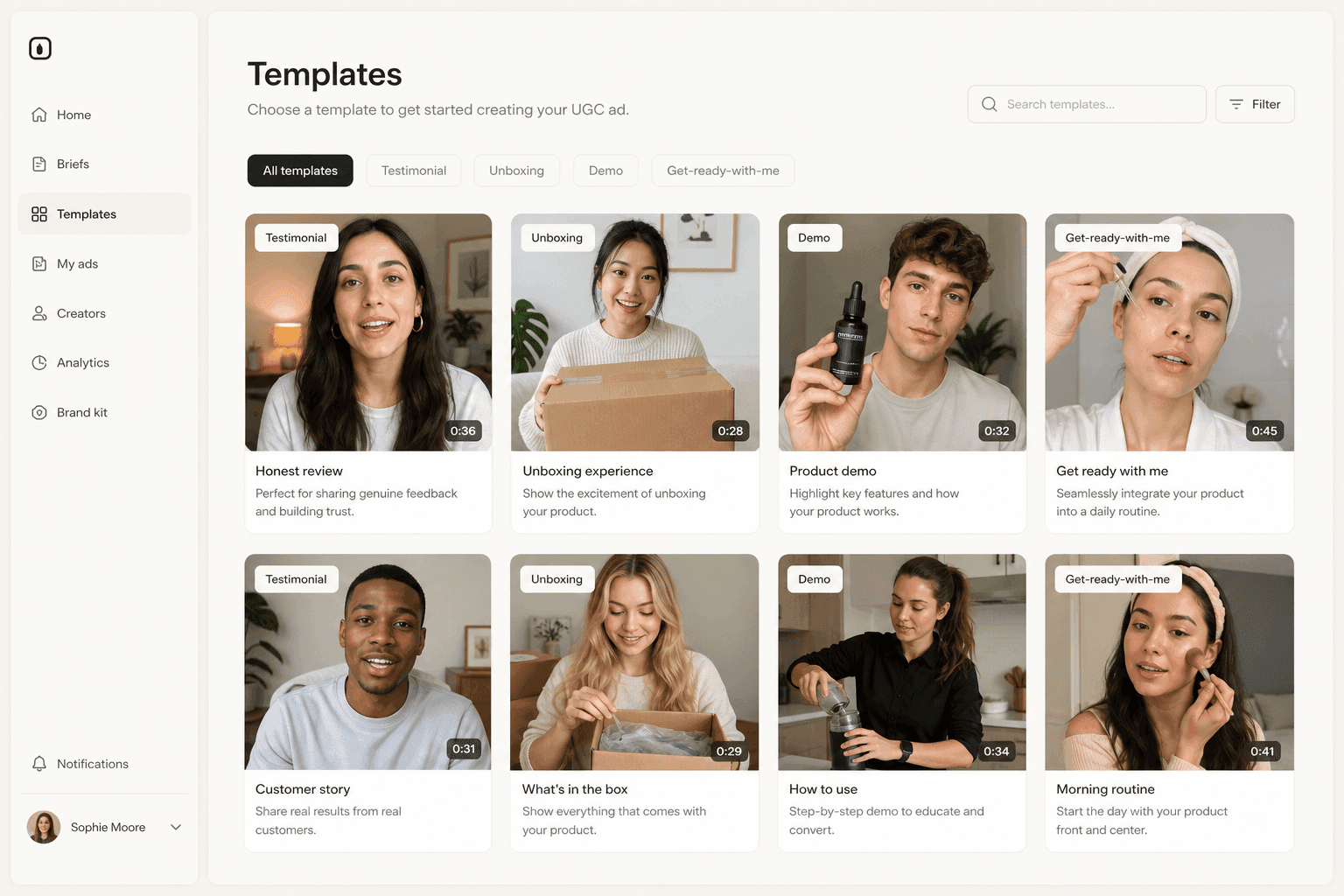
Novoads is built around the last mile of an ecommerce ad: the product on camera, in the right language, ready to publish. You write or auto-generate a script, pick from 100+ AI actors or, to show the product in hand, upload a photo of someone holding it to create a custom actor (a stock actor's hands are empty), and get a vertical or horizontal ad with voice, lip-sync, and captions. It runs Seedance, Kling, and Veo, and it ships ads in 30+ languages with real regional accents, not one generic version of each language. The bet is that for most advertisers the avatar was never the bottleneck. The finished, local, product-in-hand ad was.
What Novoads and Creatify share
It is worth being clear about how much these two agree, because the marketing around AI video makes every tool sound unique. On the things that matter most to an ecommerce buyer, they line up:
- AI presenters, not a film crew. Both put an on-screen presenter in your ad without booking a shoot. Creatify generates AI-avatar ads; Novoads uses a library of AI actors.
- No long contract to get in. Neither asks for an annual commitment before you can try it. Creatify offers a watermarked free plan, and Novoads is $49 a month you can cancel whenever you like.
- Built for ad volume. Both are aimed at advertisers who need a steady stream of creative, not one polished hero film a quarter.
- Made for ecommerce. Both start from your product and turn it into an ad, so the workflow assumes a store with things to sell.
- No rendering rig to maintain. Both keep the work in the browser, so there is no editing suite or render farm to babysit, just a script, a few clicks, and a finished file.
So this is not a quality argument. Everything below is about where the two diverge: the starting input, the output, and the accent your market hears.
The head-to-head, dimension by dimension
Here is the snapshot, then the four dimensions that actually move the decision.
| Dimension | Novoads | Creatify |
|---|---|---|
| Primary input | Script plus actor (a custom actor from a photo of someone holding the product for product in hand) | Paste a product URL |
| Entry offer | $49/month, no watermark | Watermarked free plan |
| Output | Voice, lip-sync, captions, ad-ready | AI-avatar ad |
| Actors | 100+ AI actors | AI avatars |
| Best fit | Product-in-hand local UGC | URL-to-ad ecommerce volume |
The starting input: URL or product image
This is the cleanest divide between the two, the one we think of as the Input Split. Creatify's on-ramp is the product URL: paste it and an AI-avatar ad comes back, which is a fast path when the page already does the describing. Novoads starts one step earlier, from a photo of someone holding the product, turned into a custom actor, plus a script, so the creator can hold and present the actual item on camera. Neither default is wrong. A URL is the quickest route when the page carries the detail and the ad can lean on an avatar talking about the product. A photo of the product in hand is the better route when the ad lives or dies on the item being seen in hand: the pack, the label, the scale. The Input Split is really a question about your category: a software subscription or a service rarely needs the thing in frame, while a serum, a gadget, or a snack usually sells harder when a real pair of hands is holding it. Edge: depends on your catalog.
Entry offer and ad volume
This is Creatify's home turf, and it is worth conceding plainly. The watermarked free plan lets a store generate ads at near-zero cost before committing a cent, and with batch it can spin up a stack of variations quickly, which is exactly what a high-SKU catalog wants when it is testing angles in bulk. Novoads' on-ramp is different: the paid Starter plan from day one at $49 a month, not a free tier. For pure free-to-start volume, the watermarked free plan is the lower-friction door, and pretending otherwise would not be honest. Edge: Creatify.
Language and regional accent
Here the bet flips to Novoads. It ships 30+ languages with real regional accents, distinct variants rather than one flat version of a language. For a brand selling across Mexico, Spain, and Argentina, that depth is the difference between an ad that sounds like a local creator and one that sounds translated. The voice is the part viewers judge fastest, and a Mexican accent for Mexico and a Castilian accent for Spain are not interchangeable. A creator who pronounces the product the way a local would is a small thing that compounds: it removes the tiny hitch that tells a viewer the ad was made somewhere else, and in a feed where attention is decided in the first second, that hitch is expensive. If your ads cross markets, that accent depth is the reason to look at Novoads. Edge: Novoads.
The finished, ad-ready file
The other place Novoads leans hardest is the output. A Novoads file ships as an ad: vertical, square, or horizontal (9:16, 1:1, 16:9), in HD, with voice, lip-sync, and captions already baked in, and it downloads ready for any ad platform. You get something you can upload to Meta or TikTok, not a clip you still have to assemble. For a small team shipping across markets every week, that finished-file default is the difference between a tool and a workflow. Edge: Novoads.
A worked example: one product, three markets
Picture the concrete job. You sell one shampoo and you want a product-in-hand UGC ad running in three markets: Mexico, Colombia, and Spain. Same bottle, same hook, three audiences that do not sound alike.
In Novoads the path is one loop, repeated three times:
- Upload a photo of someone holding the bottle once to create a custom actor.
- Write or auto-generate the script.
- Pick the Mexican accent and generate. Then the Colombian accent. Then the Castilian accent.
- Each one comes back as an ad-ready vertical with voice, lip-sync, and captions, in about four minutes per clip.
- Spot-check each one before it goes live: does the accent match the market, does the lip-sync hold on the product name, does the hook land in the first second.
A custom actor renders at the talking-actor rate, 10 credits per started minute of video, about $6.90 for a clip up to a minute long, so three locally-voiced, product-in-hand ads come to 30 credits (3 clips x 10 credits), about $21, generated in about the time it takes to read this post. No separate editor, no translation pass that flattens the accent. You can reuse the same script with a second custom actor, made from another photo of someone holding the bottle, to fork a fourth and fifth variation in minutes, which is how a test set of angles actually gets built. That is the thesis in one task: the avatar was never the hard part; shipping the local ad was. The same shampoo across a whole catalog of SKUs is a different job, and that is where Creatify's paste-a-URL batch shines: many products, many ads, fast. Neither path is wrong. They optimize for different ends of the same shelf. Our video ad production cost guide runs the wider math against hiring a creator for the same spots.
The honest trade-offs
No tool is free of them, and pretending otherwise is how comparison posts lose your trust. Here is where each side asks you to give something up.
Where Novoads gives something up:
- It is purpose-built for ad UGC, not a general-purpose video studio, so if you also want cinematic b-roll or artistic clips it is the wrong shape.
- The on-ramp is a $49/month plan, not a free tier. Creatify lets you start on a watermarked free plan, which is a lower-friction way in for a store that wants to test at zero cost first.
- The primary input is a product image plus a script, not a pasted catalog URL. If your workflow is built around blasting product-page URLs at scale, that URL-first flow is where Creatify is at home.
- Because the product in hand comes from the photo you upload to create a custom actor (a stock actor's hands are empty), that photo matters. A clean, well-lit shot with the product clearly visible in the hand produces a noticeably better ad than a busy, cluttered one, so the input deserves a minute of care.
Where Creatify asks more of you:
- The free plan's output carries a watermark, which is the standard trade for starting at no cost; the watermark-free result lives on the paid tiers.
The pattern is consistent: Creatify optimizes the on-ramp and rewards you with fast, free-to-start volume; Novoads optimizes the last mile and rewards you with a finished, local, product-in-hand ad built on a custom actor. Neither is a flaw so much as a personality. If you are still deciding whether AI can replace a hired creator at all, AI versus UGC creators is the better starting point.
When to choose each
The honest version of this is not a winner. It is a fit test, and most of the decision falls out of two short lists.
Choose Creatify when:
- You want to paste a product URL and get an avatar ad back with minimal setup.
- You are producing ad volume from a high-SKU catalog and batch matters.
- You want to start on a watermarked free plan before paying anything.
- Your ads lean avatar-and-template, and the product does not need to be physically held.
Choose Novoads when:
- The creator should hold your actual product, from a custom actor made with a photo of someone holding it.
- You sell across markets and the voice has to sound local, with real regional accents.
- You want an ad that ships with voice, lip-sync, and captions, not a clip to finish elsewhere.
- You are still testing the format and want a full, watermark-free run on the $49/month plan, not a free-tier preview.
If you want the broader landscape rather than a two-way call, our best AI video ad platforms roundup and how to create UGC ads cover the wider field, and what a UGC creator actually is covers the format itself.
How Novoads approaches product-led, multilingual UGC
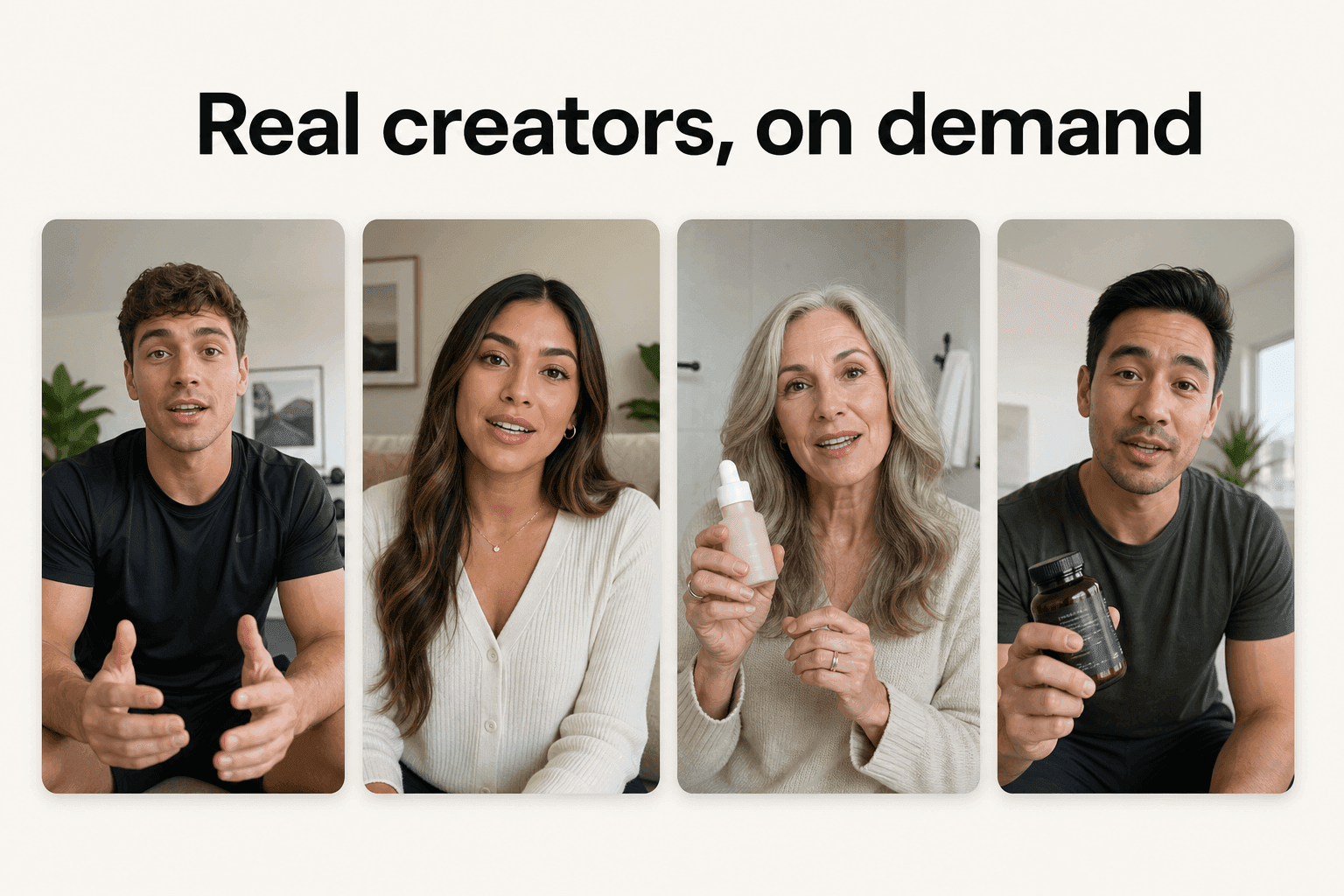
Novoads is built for the exact moment an ecommerce team needs the creator to hold the real product, in the language the audience actually speaks. You upload a photo of someone holding your product to create a custom actor, write or auto-generate a script, and get a vertical UGC ad with voice, lip-sync, and captions, formatted for TikTok, Reels, and Meta. It runs multiple frontier models so you are not betting on one engine, and it produces ads in 30+ languages with real regional accents rather than a flat translation. The headline time is about four minutes, and a clip runs from a few dollars instead of a few hundred. For more on the format, our UGC ads guide and the Novoads vs Arcads comparison go deeper on the actor side.
The practical effect is that the file that lands in your downloads is the file you upload to the ad manager. There is no second tool to open, no captions to burn in afterward, no export settings to second-guess. For a team where the marketer is also the editor, removing that last step is most of the value.
None of that makes Creatify worse. It makes the two a clean trade: Creatify for the fastest path from a product URL to ad volume, Novoads for the finished, local, product-in-hand ad built on a custom actor, started on a published $49/month plan.
Where you start decides what you ship
There is no winner of Novoads versus Creatify, because they are not running the same race. Creatify is the paste-a-URL workhorse, and for a team that wants to turn a catalog into ad volume from product pages, the free-to-start on-ramp is a fair reason to pick it. Novoads is the product-and-language specialist, and for the advertisers whose real bottleneck is shipping local, product-in-hand ads at volume, it fits the job better. Decide by the ad you need, not the front door you like, and the answer picks itself. You can produce your first product-in-hand AI UGC ad with Novoads, starting from a photo of someone holding your product, on the $49/month Starter plan at novoads.ai. Cancel anytime.
Frequently Asked Questions
Is Novoads or Creatify better?
Neither is universally better; they optimize for different jobs. Both produce real-looking AI video ads, so output quality is rarely the deciding factor. Creatify's edge is the on-ramp for volume: you paste a product URL and get an AI-avatar ad, with batch and a watermarked free plan that suit ecommerce teams pushing a lot of creative. Novoads centers product-led, multilingual UGC: a product image as the primary input, 30+ languages with real regional accents, and ad-ready output. Pick by the ad you need and how you like to start.
What is the difference between Creatify and Novoads?
The clearest difference is the starting input. In Creatify you paste a product URL and it generates an AI-avatar ad, which is a fast on-ramp when your catalog already lives on product pages. In Novoads you start from a photo of someone holding your product, which becomes a custom actor, plus a script, so that actor holds and presents the actual product on camera; a stock library actor's hands are empty. On top of that, Novoads ships 30+ languages with real regional accents and outputs an ad-ready file with voice, lip-sync, and captions.
Does Creatify have a free plan?
Yes. Creatify has a watermarked free plan, so a store can start generating ads at near-zero cost, plus paid tiers above it. Novoads does not have a free tier; it starts at $49 a month. If a free-to-start on-ramp is the priority, Creatify's watermarked plan is the lower-friction door; if you want watermark-free output from the very first ad, that is what the $49 Novoads month gives you.
Which is better for ecommerce product ads?
It depends on the job. For pushing a high volume of ads from a catalog, Creatify's paste-a-URL workflow and batch are built for exactly that. For a product-in-hand ad that sounds local in each market, Novoads fits better: a photo of someone holding your product becomes a custom actor and the file ships ready for Meta or TikTok with voice, lip-sync, and captions in the accent your market speaks. Many teams use both.
Can I use Novoads and Creatify together?
Yes, and plenty of teams do. A common split is Creatify for fast, paste-a-URL ad volume across a catalog, and Novoads for product-in-hand, multilingual UGC where the creator holds the real product (a custom actor made from a photo of someone holding it) and the voice has to sound local. They are good at different parts of the same job, so running both is a reasonable setup.
How much does Novoads cost compared to Creatify?
Novoads starts at $49 a month for the Starter plan, with higher tiers above it. Creatify has a watermarked free plan plus affordable paid tiers. The practical difference for someone still testing the format is the shape of the on-ramp: a watermarked free plan with Creatify, or a full, watermark-free run with Novoads.
Key Takeaways
- Both make AI video ads for ecommerce. The choice is fit, not whether the tool works, because both clear that bar.
- Creatify's edge is the on-ramp for volume: paste a product URL to get an AI-avatar ad, plus batch and a watermarked free plan.
- Novoads' edge is product-in-hand, local output: a custom actor made from a photo of someone holding your product, 30+ languages with real regional accents, and ad-ready files with voice, lip-sync, and captions.
- The clearest split is the starting input. A URL versus a photo of someone holding your product (which Novoads turns into a custom actor) is what decides whether the product ends up in the creator's hands.
- Creatify offers a watermarked free plan to start. Novoads has no free tier: it is $49/month, and nothing it produces carries a watermark. Pick by the ad you need.