Blog
Insights for AI advertisers
Guides, strategies, and comparisons for creating AI video ads that convert.
ChatGPT Ad Load by Category: Sponsored Ads Hit 47% of Tracked Gaming Chats
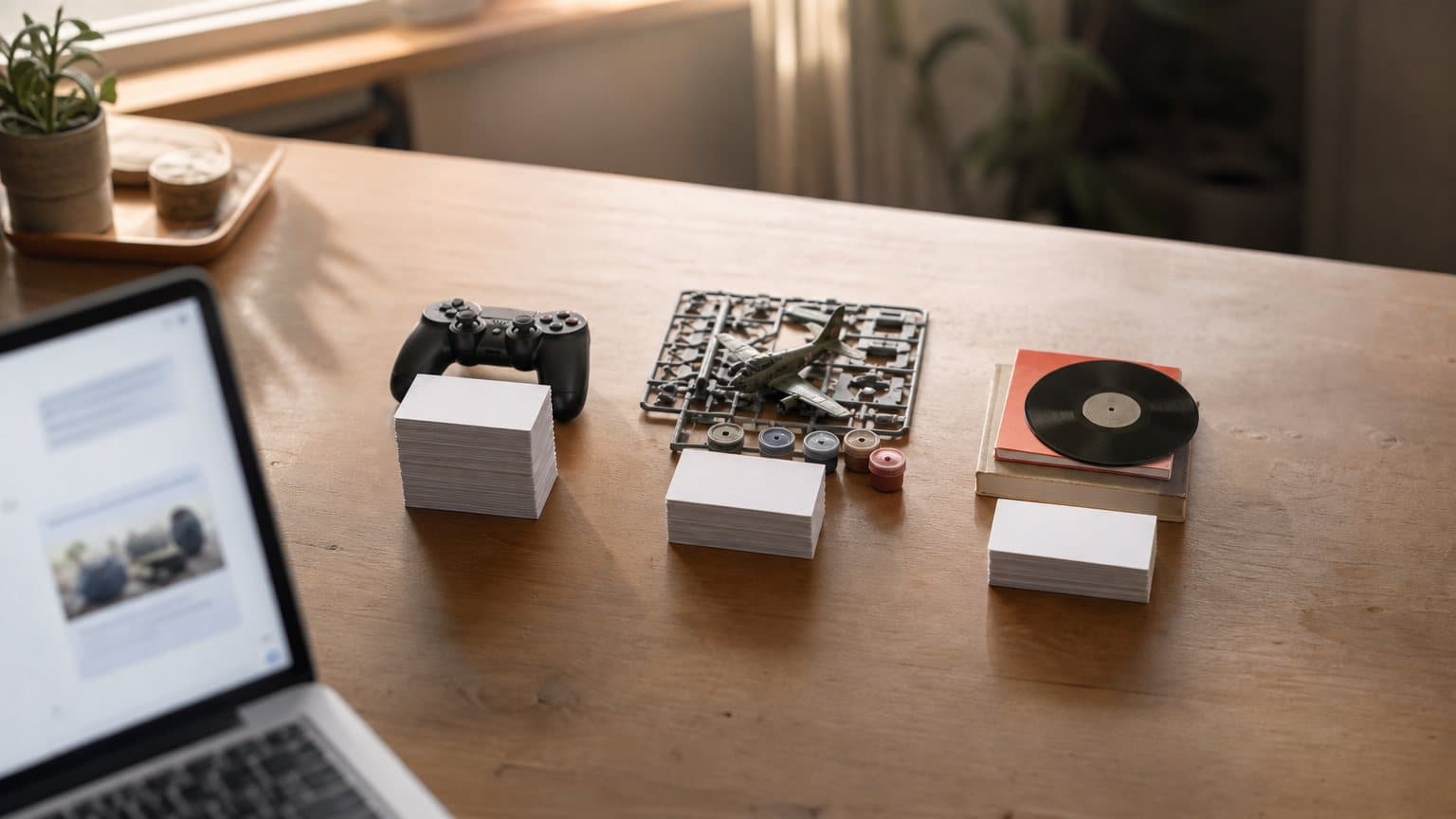
Search Engine Journal's reading of Comscore's gated Q2 2026 AI Intelligence Report puts sponsored ads in 47% of the US desktop ChatGPT conversations about video games and consoles that Comscore tracked in June 2026, up from 3% in March. Here is what the three category series measure, what they leave out, and how to use them when you decide where to test.

ChatGPT Ads Shopify App: The Seven-Step Setup and OpenAI's September 23 International Date
OpenAI's ChatGPT Ads app for Shopify connects an ad account and a pixel to your store and syncs your catalog into a product feed. Here is the setup in OpenAI's own order, what the catalog sync hands over, what OpenAI said about opening the app internationally from September 23, and what the first 11 reviews report.

ChatGPT Ads Sponsored Agents: OpenAI Tests Ads That Talk Back, Plus 3 AI Tools
On September 16, 2026 OpenAI began testing Sponsored Agents with select US advertisers and started rolling out three AI tools for ChatGPT Ads: an Ads Manager plugin inside ChatGPT, suggested copy and imagery drafted from your landing page, and opt-in text customization that translates your ads. Here is what each one changes, and what it still leaves to you.
MiniMax H3 Max Styles: VHS, 70s Toon and Pixel-Art Ads at $0.08 a Second
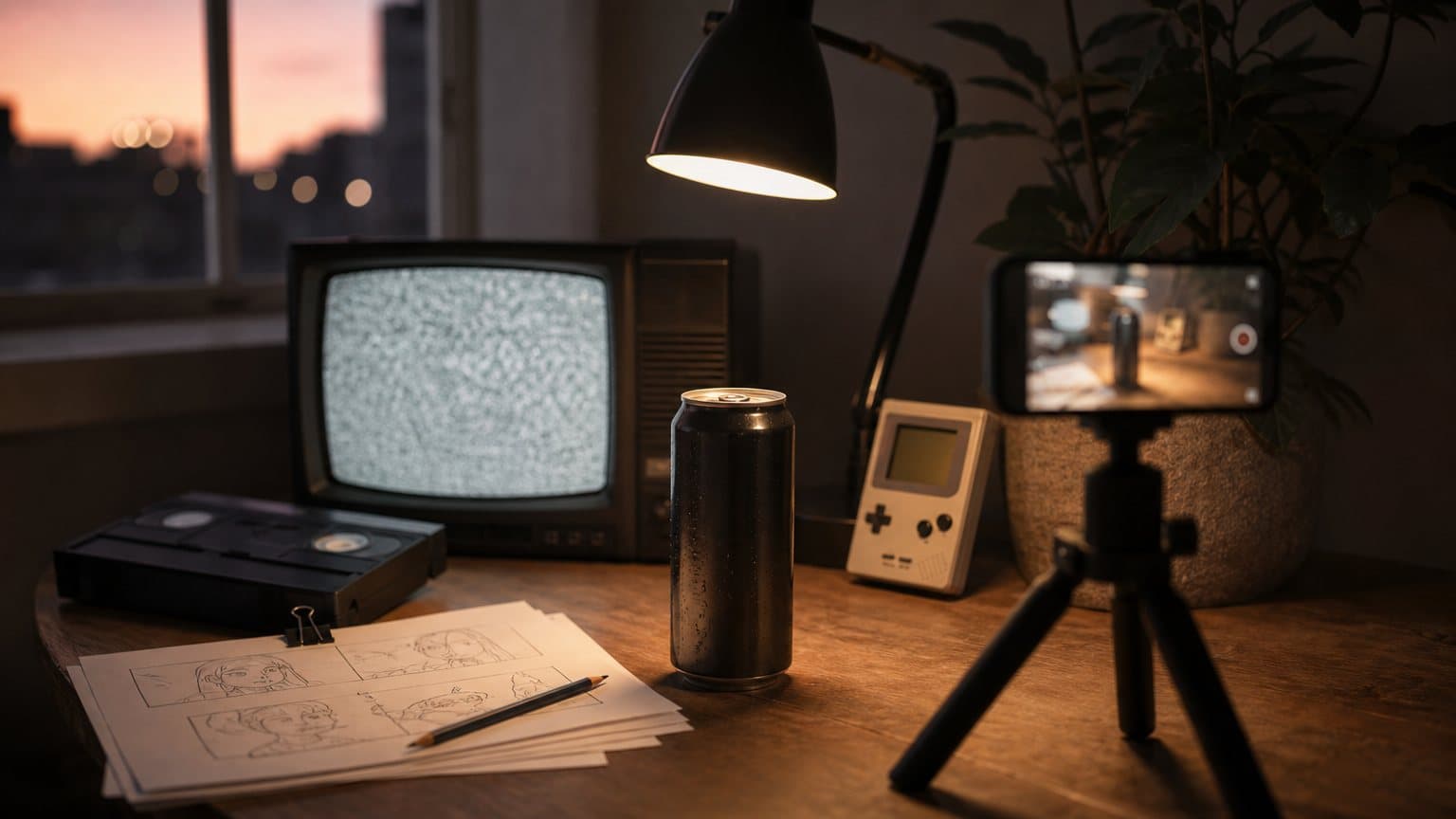
fal now lists five one-call H3 Max style endpoints, VHS, Retro Toon 70s, Hand Drawn, Low Poly and 16-bit Pixel, each making 5 to 15 seconds of 768p video with sound from a prompt or an optional first frame at $0.08 a second. Here is which look fits which ad, what a test costs this week, and how to brief one.
AI Slop Grenades: Why Reviewing AI Ad Creative Is Part of What It Costs
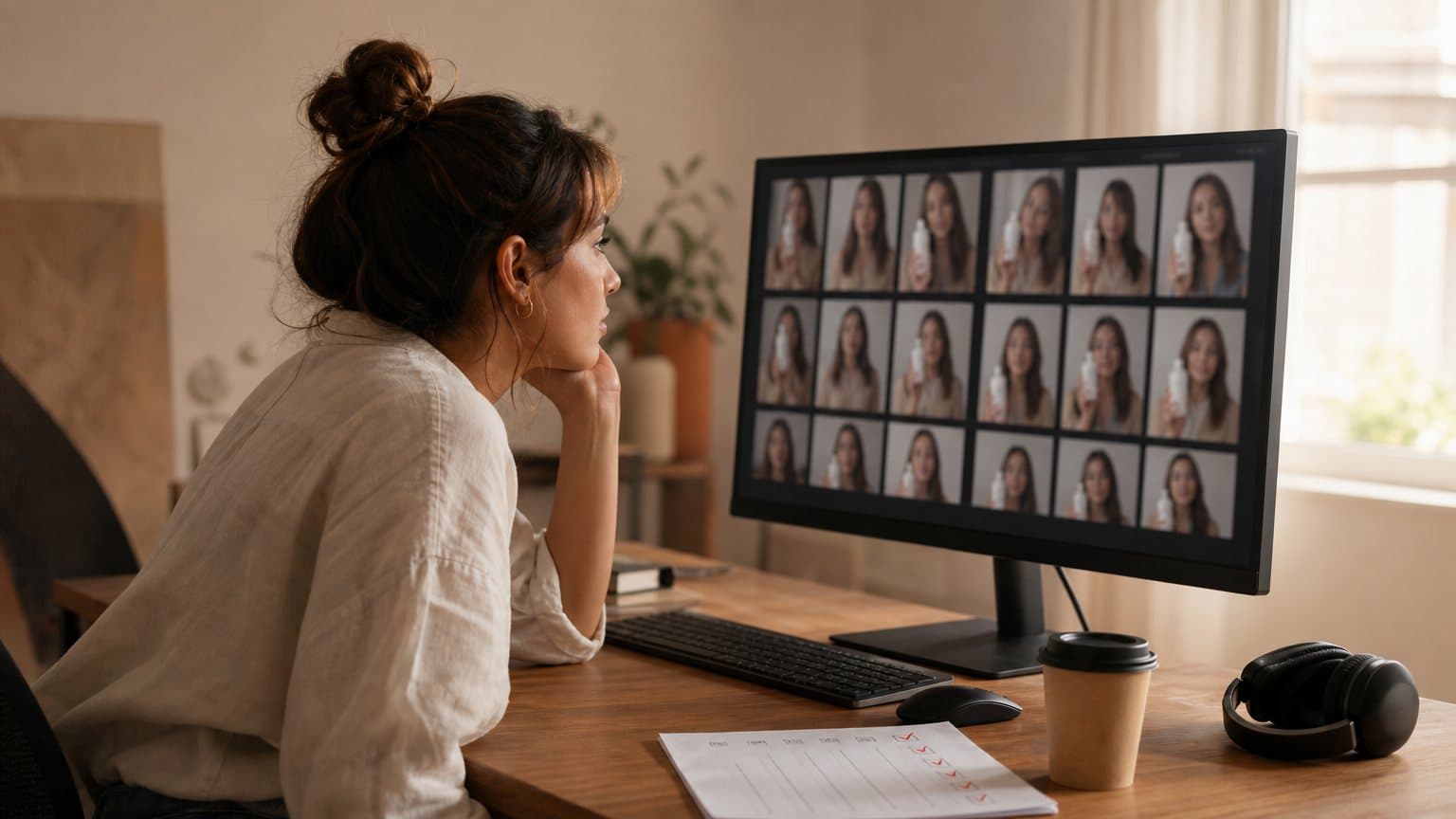
On a podcast released September 15, 2026, Shopify's CEO said the failure case of lazy work is now over-output, and that staff call unreviewed AI output a slop grenade. Here is what that argument is, and our reading of where the same checking cost lands in an ad account.
Threads Ads Without an Instagram Account: What Meta Changed and What It Unblocks
Meta says matching Threads and Instagram usernames are no longer required to run Threads ads, and that a business with no Instagram profile can launch from its native Threads profile. Here is what that removes, what Meta's own readable pages still say, and what to change in the creative.
AI Ad Generator vs Canva: What Each One Makes, Across 5 Ad Types
Canva now generates static and video ads and publishes them to Meta, TikTok and LinkedIn, while a dedicated AI UGC ad generator makes the person-on-camera ads Canva's Grow 2.0 announcement does not describe. Here is which one to use for five ad types.

AI Creative Scoring: What 3 Kinds of Score Check, and What They Miss
AI creative scoring grades an ad file before it spends, but the name covers three different jobs: rule checks, performance predictions and similarity checks. Here is what each one reads, what a score computed on a file cannot see, and where a live test has to take over.
Hex Codes in AI Image Generators: What 5 Makers Document for Exact Brand Colors
Only some AI image makers document hex-code input, and their own pages disagree on how exact it is, so the brand colors that must match belong on a layer you add after generation.
Best Automated Content Creation Tools for Paid Social Ads: 7 Compared
Seven tools that automate paid-social ad creative, grouped by the job they take off your plate (script-to-actor UGC video, link-to-ad, static ad sets, avatar video), each with a price or feature checked on the vendor's own page on September 21, 2026.
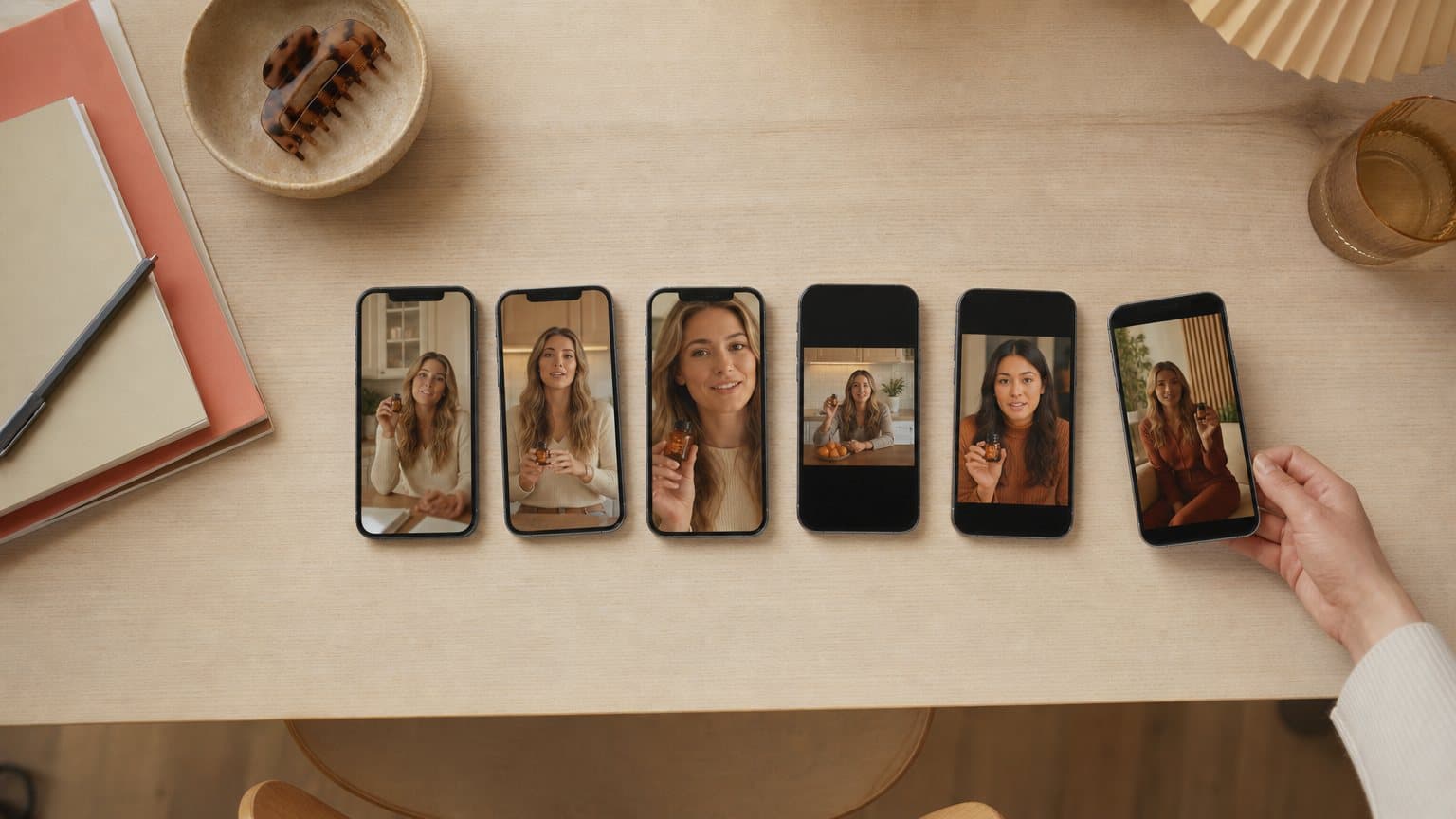
How to Create Ad Variations: A 5-Layer System for Iterating One Winning Ad
To create ad variations from a winning ad, change one layer per round (hook, presenter, format, text, then offer framing), package the versions inside one ad where Meta allows it, name each file by the variable it tests, and stop when the changes add up to a new concept.
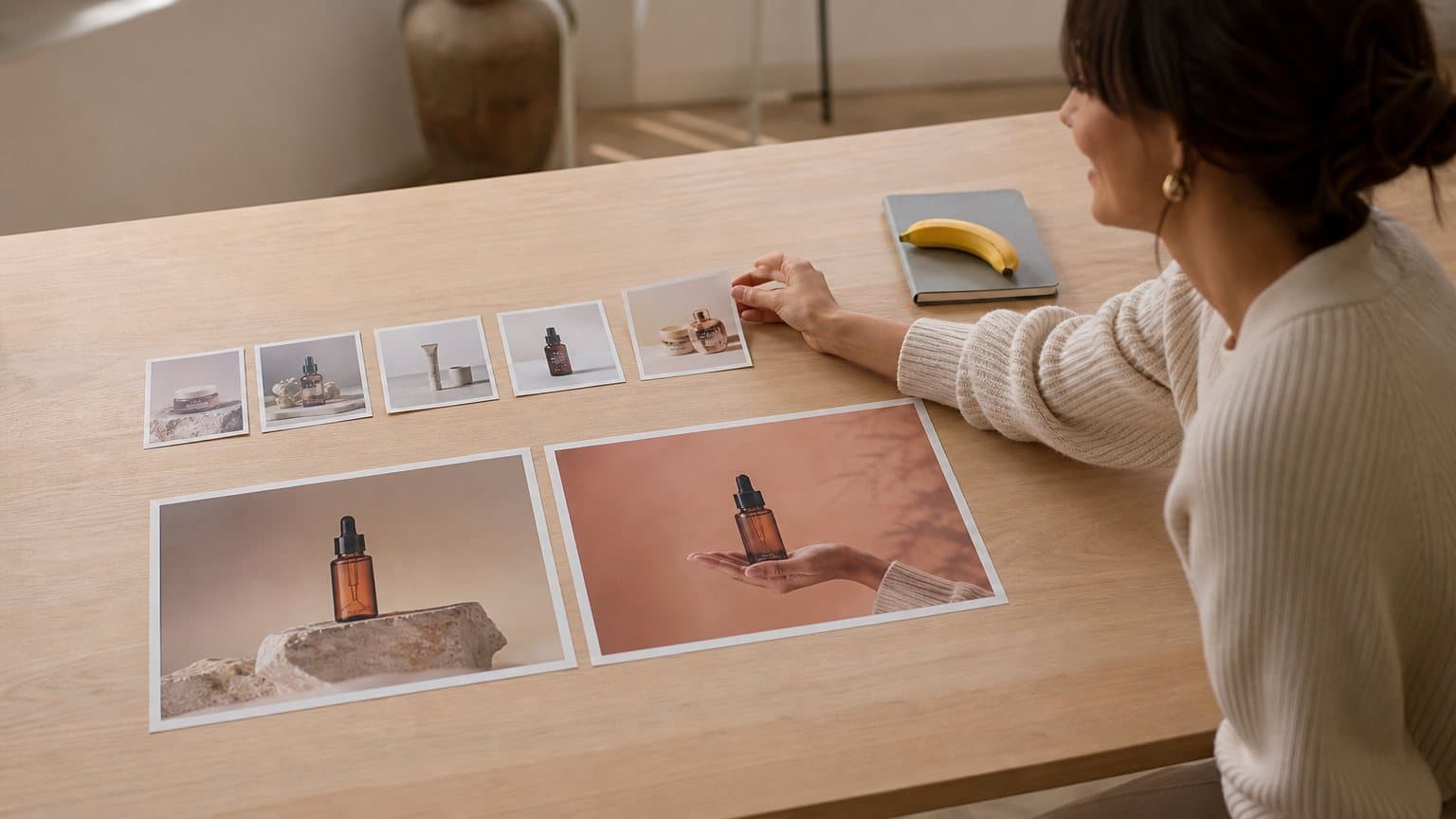
Nano Banana 2 vs Nano Banana Pro: Which Gemini Image Model for Ads
Google's docs call Nano Banana 2 the go-to image model and Nano Banana Pro the premium choice. Here is how the two compare on price per image, reference slots, grounding and lifecycle, and which one each ad job should call.
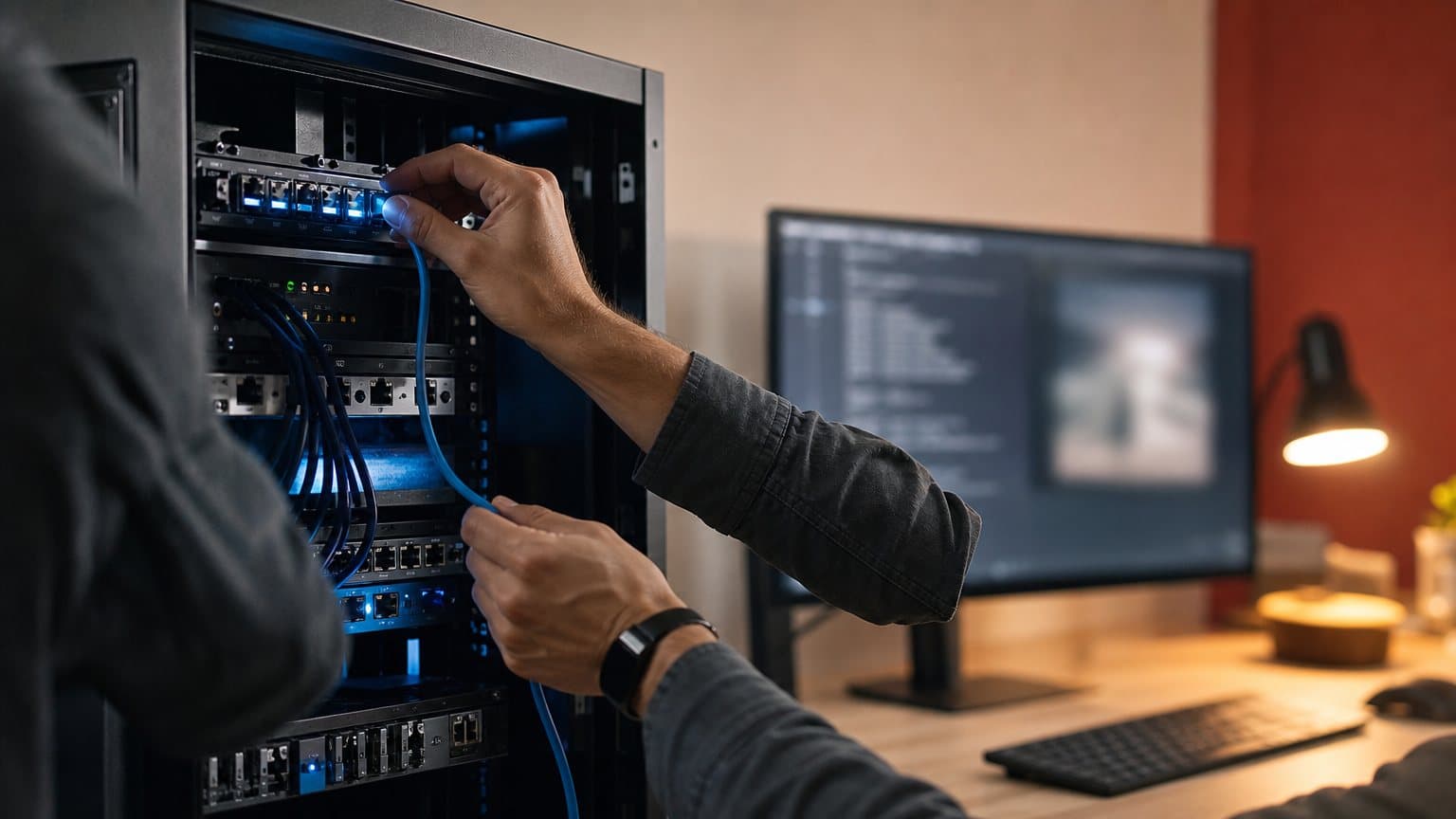
OpenAI Video API Shuts Down September 24: What to Change in Your Code
OpenAI's deprecations page schedules the Videos API, sora-2 and sora-2-pro for removal on September 24, 2026, and names no replacement. Here is the call shape your code loses, what the Gemini API expects instead, and how each field maps.