Blog
Insights for AI advertisers
Guides, strategies, and comparisons for creating AI video ads that convert.
Qwen-Image-2.1 Explained: Transparent Cut-Outs, 10 Reference Images and a Non-Commercial License
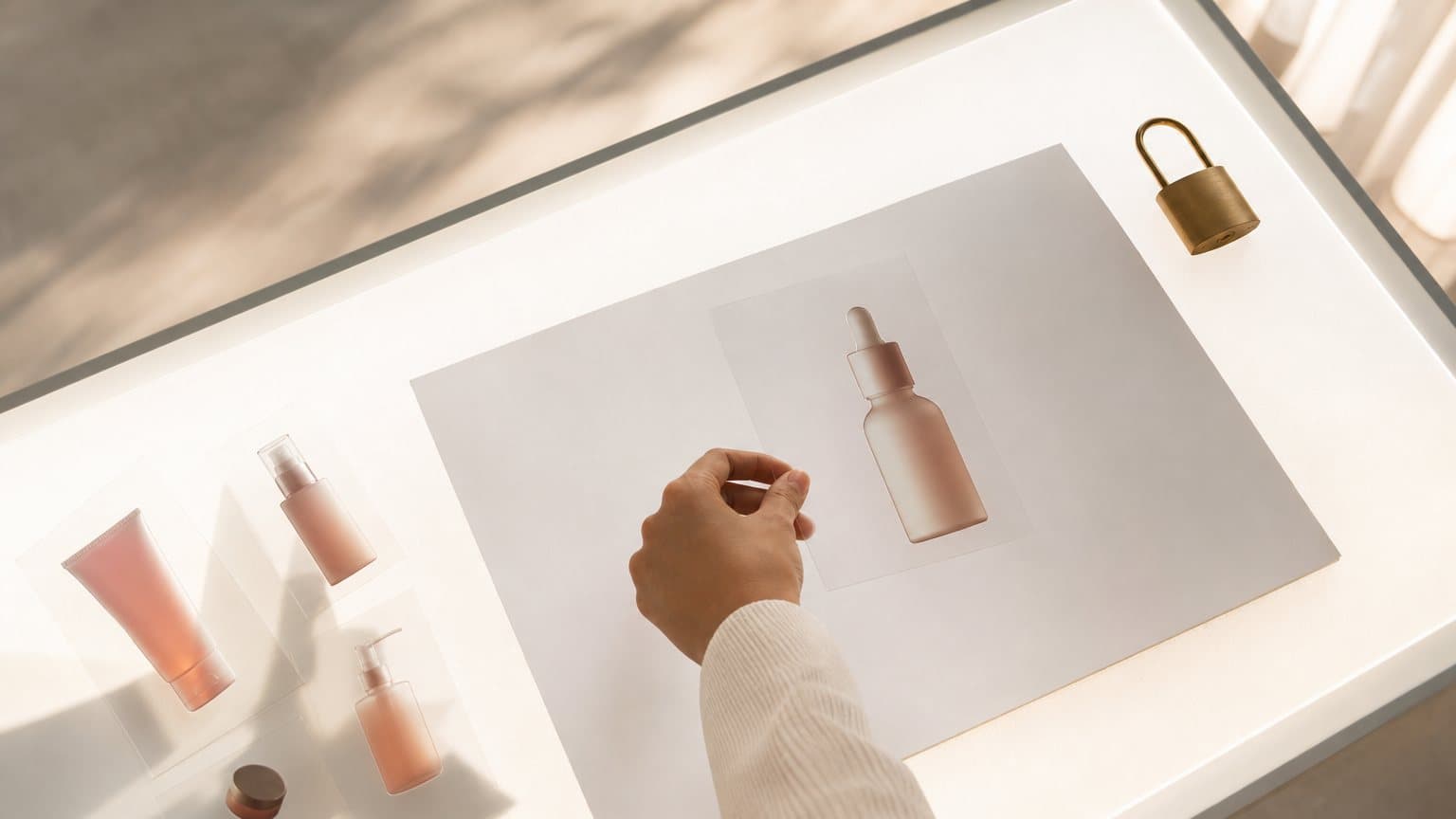
Alibaba's Qwen team released Qwen-Image-2.1 on September 20, 2026, with downloadable weights, native transparent output and editing from up to ten reference images. Its benchmark is Qwen's own and its license allows non-commercial use only. Here is what an ad team can do with it today.
What Is Google Veo 3.1 Lite? Price, Limits and Model IDs
Veo 3.1 Lite is Google's lowest-priced Veo 3.1 tier, in preview since March 31, 2026. On the Gemini API, as of September 21, 2026, it costs $0.05 a second at 720p and $0.08 at 1080p, with no 4K, and Google's two surfaces disagree on what else it drops. Here is what that means for testing video ads.

Colossyan vs Synthesia: One Sells Minutes, the Other Sells Credits
Colossyan Professional lists $59 a month on an annual plan and meters video minutes split across two avatar engines. Synthesia Starter lists $29 billed monthly or $18 billed yearly and meters one shared credit pool at 2 credits per second. What a month on each actually buys, from both vendors' own pages, read on September 19, 2026.
HeyGen vs Colossyan: An Ad Product Against a Training Platform
HeyGen publishes a product page built for ad creative. Every one of Colossyan's six published use cases is training or enablement. Here is what that positioning gap means when you have to pick one, with prices dated September 2026.

Sora 2 vs Veo 3 for Video Ads: One Leaves the API on Sept 24
As of September 19, 2026, OpenAI lists the Videos API and every Sora 2 model ID for removal on September 24, with no replacement named, while Google documents and prices Veo 3.1. Here is what that does to an ad pipeline.
Veo vs Nano Banana for Ad Creative: One Makes the Frame, One Moves It
Veo is Google's video model and Nano Banana is Google's image model family, so the comparison has a category error inside it. Google's own docs file them apart, sell one by the second and the other by the image, and ship the code that chains them. Here is which one an ad needs, and when it needs both, as of September 2026.
Arcads Pricing in 2026: Plans, 800 Credits a Minute, and the 3-Day Trial
Arcads has no public pricing page, but its help centre publishes the meter: 8,000 credits a month on Starter, 16,000 on Creator, and 800 credits per talking-actor minute. Here is what that buys, the prices its in-app paywall showed on August 7, 2026, and how the 3-day trial bills.
Arcads AI Review: 1,000+ Actors, Three Talking-Actor Models, and the Limits Buyers Hit
An Arcads review built on Arcads' own pages: a 1,000+ actor library, three talking-actor models, the agent Mark, an MCP connector for Claude and batch Workflows, plus the output limits, credit rules and who the tool fits.
How to Make a YouTube Ad That Survives the 5-Second Skip, Format by Format
To make a YouTube ad, pick the format before you write the script, because each one skips differently: skippable in-stream ads can be skipped after 5 seconds, bumpers run 5 to 6 seconds, non-skippable ads stop at 30 seconds in the auction, and Shorts ads can be swiped away at once. Here is the length, script, frame and launch plan for each.
How to Make AI Video Look Real: Camera, Light, Skin and Sound Fixes
AI video reads fake for reasons you can name and fix. Six prompt fields decide it: camera position, framing, lens, light, texture and sound. Here is the checklist, written against Google's own Veo 3.1 prompt guide and the engines that render the clip.
H3 Max Lip Sync on fal: a 15-second talking-head ad costs $0.75 to $4.80
fal made H3 Max Lip Sync, its post-train of MiniMax's open-weight H3, public on September 18, 2026: it turns one still image and a 5 to 15 second voice track into a lip-synced clip billed at $0.05 to $0.32 per second, which prices a talking-head ad and caps every call at 15 seconds.

Pinterest Visual Search Ads: What 80 Billion Monthly Searches Mean for Your Product Creative
Pinterest announced Visual Search Ads on 17 September 2026, a slot advertisers bid for in search results and Pin closeups, arriving in beta in the coming weeks. Here is what changed, what Pinterest has not said yet, and the image creative to prepare now.