
Guides
Step-by-step guides to create AI video ads that convert.

AI Creative Scoring: What 3 Kinds of Score Check, and What They Miss
AI creative scoring grades an ad file before it spends, but the name covers three different jobs: rule checks, performance predictions and similarity checks. Here is what each one reads, what a score computed on a file cannot see, and where a live test has to take over.

Hex Codes in AI Image Generators: What 5 Makers Document for Exact Brand Colors
Only some AI image makers document hex-code input, and their own pages disagree on how exact it is, so the brand colors that must match belong on a layer you add after generation.
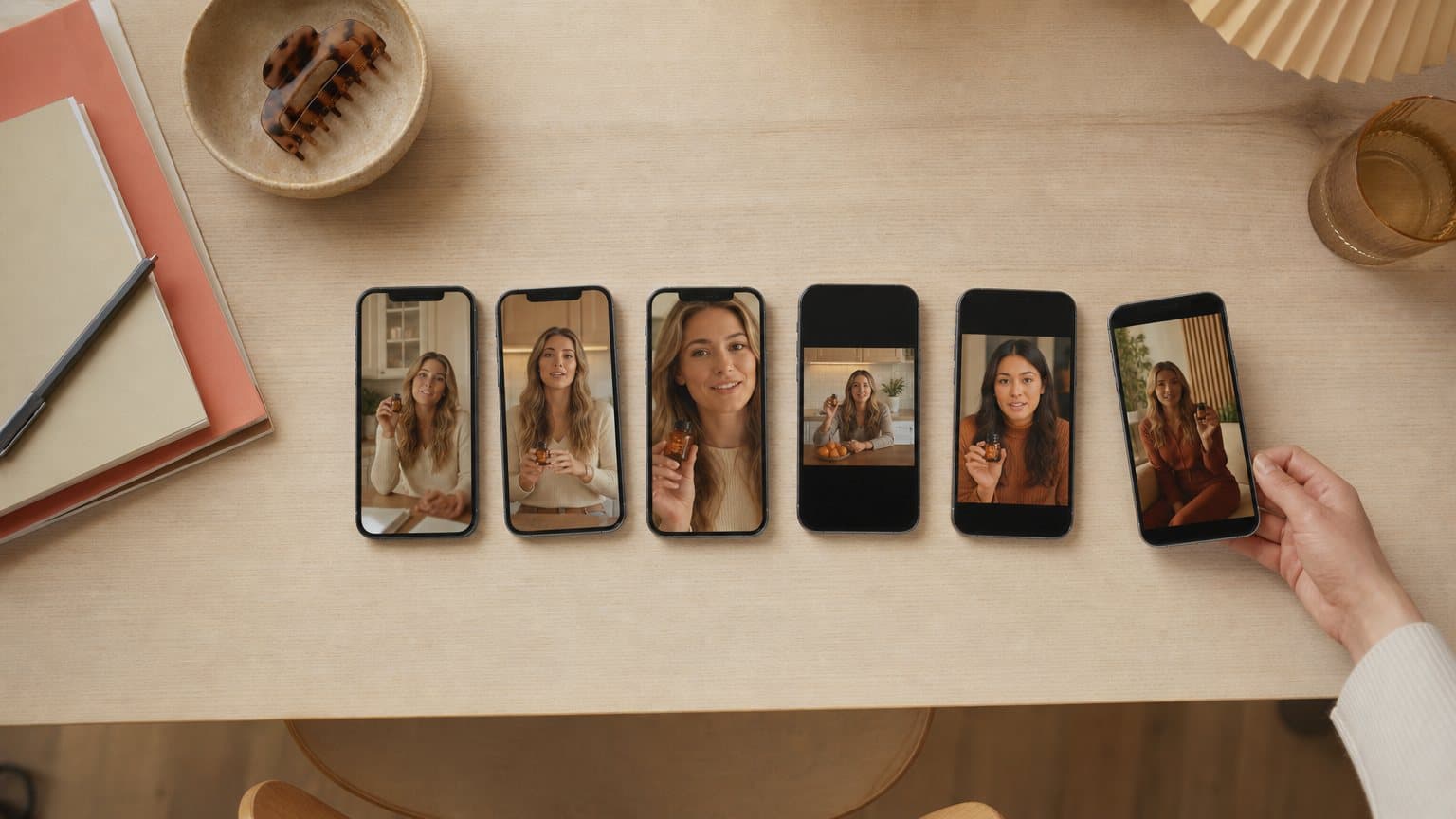
How to Create Ad Variations: A 5-Layer System for Iterating One Winning Ad
To create ad variations from a winning ad, change one layer per round (hook, presenter, format, text, then offer framing), package the versions inside one ad where Meta allows it, name each file by the variable it tests, and stop when the changes add up to a new concept.

What Is Google Veo 3.1 Lite? Price, Limits and Model IDs
Veo 3.1 Lite is Google's lowest-priced Veo 3.1 tier, in preview since March 31, 2026. On the Gemini API, as of September 21, 2026, it costs $0.05 a second at 720p and $0.08 at 1080p, with no 4K, and Google's two surfaces disagree on what else it drops. Here is what that means for testing video ads.

Arcads Pricing in 2026: Plans, 800 Credits a Minute, and the 3-Day Trial
Arcads has no public pricing page, but its help centre publishes the meter: 8,000 credits a month on Starter, 16,000 on Creator, and 800 credits per talking-actor minute. Here is what that buys, the prices its in-app paywall showed on August 7, 2026, and how the 3-day trial bills.
How to Make a YouTube Ad That Survives the 5-Second Skip, Format by Format
To make a YouTube ad, pick the format before you write the script, because each one skips differently: skippable in-stream ads can be skipped after 5 seconds, bumpers run 5 to 6 seconds, non-skippable ads stop at 30 seconds in the auction, and Shorts ads can be swiped away at once. Here is the length, script, frame and launch plan for each.
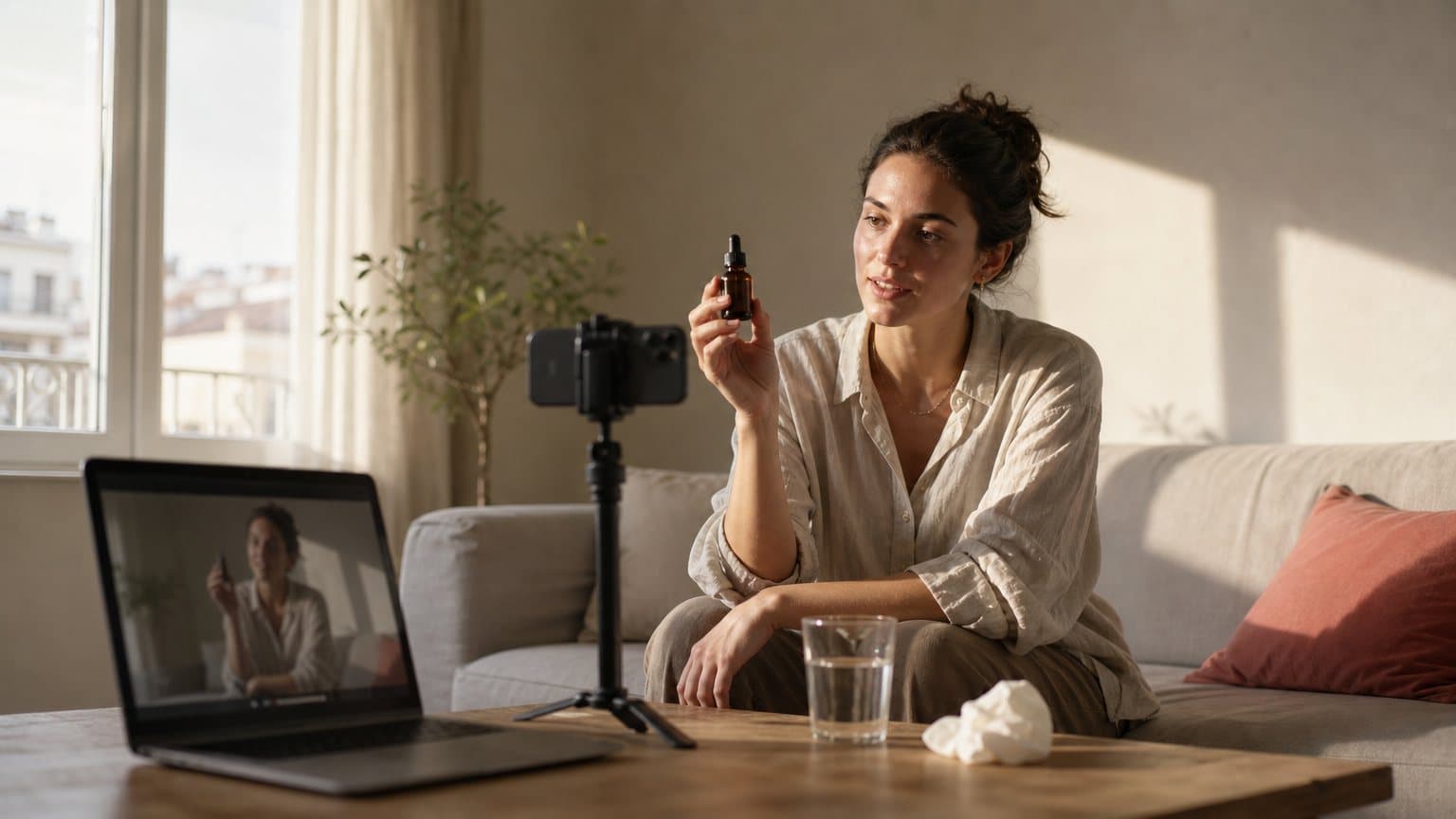
How to Make AI Video Look Real: Camera, Light, Skin and Sound Fixes
AI video reads fake for reasons you can name and fix. Six prompt fields decide it: camera position, framing, lens, light, texture and sound. Here is the checklist, written against Google's own Veo 3.1 prompt guide and the engines that render the clip.

What Is Tech UGC? Creator Videos for Apps, SaaS and Gadgets, Cut Three Ways
Tech UGC is creator-style video about software and devices: screen recordings, unboxings, day-in-the-life clips. Here is what each format proves, where the app store and the paid feed each let it run, and how brands source it.
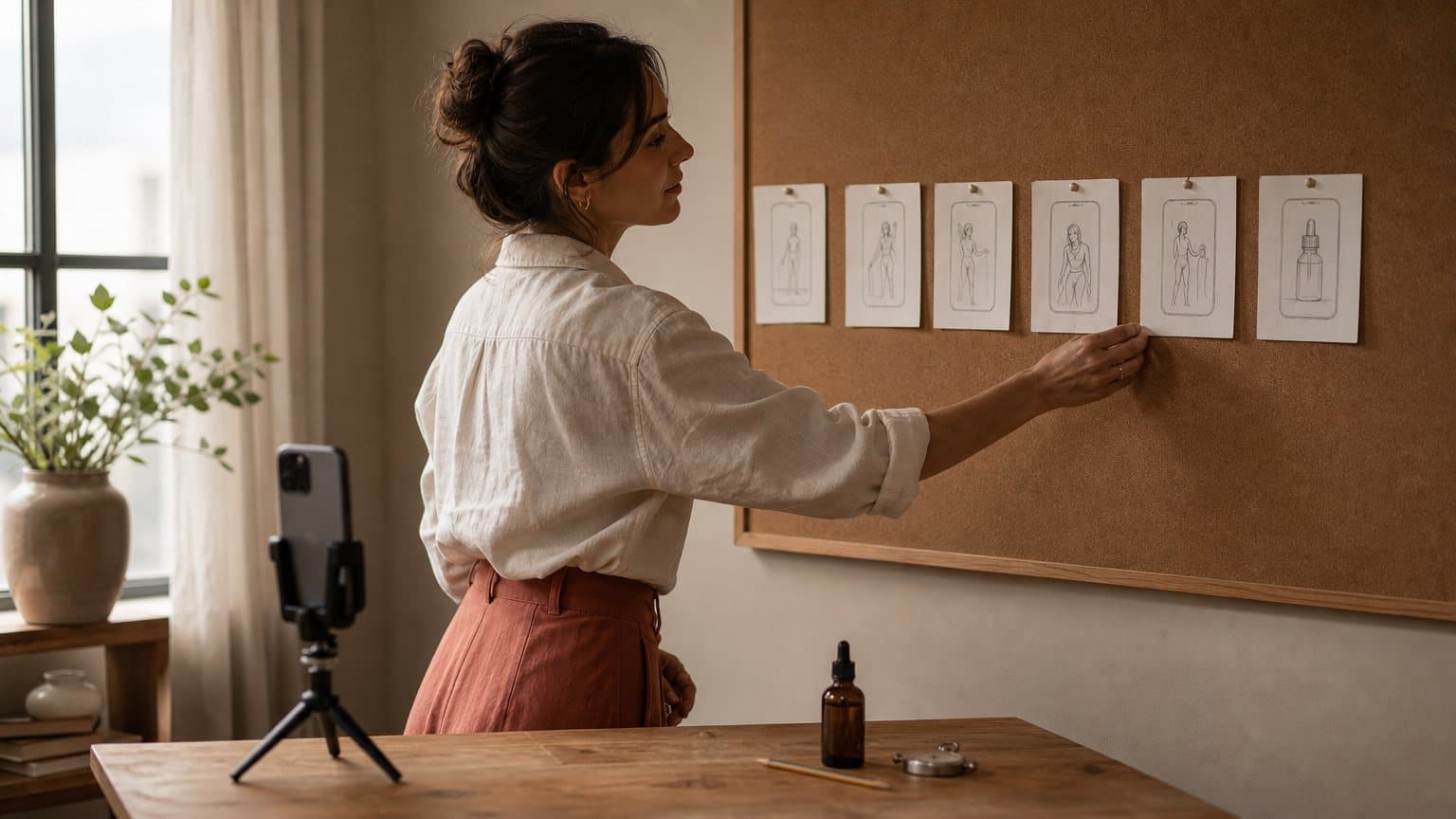
Video Ad Storyboard: How to Turn a 30-Second Script Into a Shot List
A video ad storyboard splits the script into beats, gives each beat one shot and draws each shot as a frame inside the placement's safe zone, before anyone films or generates. Here is the four-step method, a 30-second worked example and how to render each shot with AI.
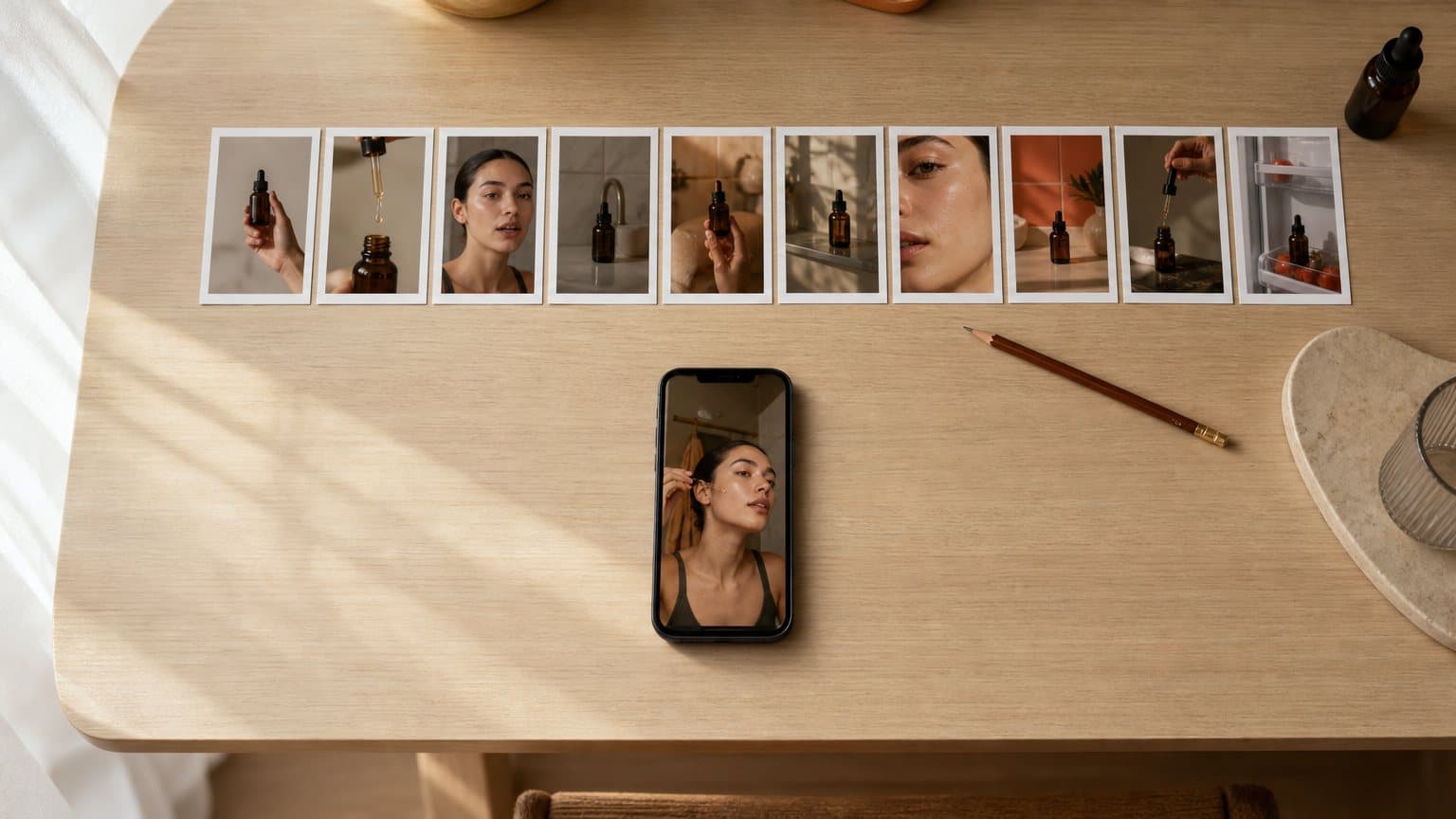
Ad Hook Variations: How to Test Ten Openings on One Video Ad
Ad hook variations are several openings cut onto one fixed ad body. Write ten, hold every one to the same length, run them five at a time, and read attention before cost per result.

Higgsfield AI Pricing Explained: Plans, Credits per Video, and What 200 Credits Buy
Higgsfield's September 15, 2026 guide lists Starter at $15 a month for 200 credits, Plus at $49 for 1,000 and Ultra at $129 for 3,000. There is no trial, and the free tier includes no credits. Here is what a credit buys in video, and which plan runs out first.

How to Create a Product Demo Video: One Script, Three Cuts, Three Lengths
To create a product demo video, script one job from problem to result, capture it on the device or in hand, then cut three versions: a 15 to 30 second store preview, a muted-first ad and a longer walkthrough.

How to Repurpose Winning Ads Into Four New Concepts Without Losing What Worked
Repurposing a winning ad means keeping what it proved (the promise, the proof, the offer and the beat order) and rebuilding it around one of the four changes Meta's creative-fatigue lesson names: a different product benefit, a new use case, a fresh perspective, or different people and situations.

Higgsfield API: What It Exposes, What It Costs, and the 7-Day Output Window
One base URL, a key pair in the Authorization header, and an asynchronous queue you poll or webhook. Here is the whole Higgsfield API surface, the concurrency ceiling that stops you first, and the billing and retention rules worth reading before you write any code.

AI Video Credits Explained: What 1 Credit Buys, and How to Compare Vendor Prices
A credit is a private currency. The vendor defines it, it changes per feature, and it converts into video only through a table the vendor controls. Here is how to turn any credit price into a cost per finished ad.

How Long Does AI Video Generation Take? 60 Days of Measured Production Renders
Across 1,045 production renders in 60 days, the median end-to-end wait ran from 45 seconds for a still image to 435 seconds for the slowest video model. Here is the measured table, with the sample size printed beside every number.

Seedance 2.5 Prompt Guide for UGC Ads: Direct a 30-Second Take in One Pass
Seedance 2.5 stretches a single generation to 30 seconds with the audio built in, which changes how an ad prompt has to be written. Here is the six-layer structure, the quoted dialogue line that gets lip-sync, and before-and-after rewrites you can paste in.

3D Animated Product Ads Without a Studio: One Still Image, One 15-Second Render
A stylized 3D animated product ad does not need an animation pipeline. Two generated stills decide the look and the staging, then one image-to-video call renders 15 seconds with the sound already in the file. Here is the route, the prompt rules that keep it from breaking, and what a finished spot costs.

AI Video Camera Movement Prompts: Nine Direction Words and a 38% Miss Rate
Camera movement in AI video ads is set by the sentence you write, not by a slider. Here are the direction words that land, the phrasings that break a shot, and how often even the best-scoring model misses.

How to Build Meta Ad Creative With Claude Code Skills: A Five-Stage Agent Workflow
A Claude Code skill is a folder of instructions and scripts an agent loads on demand. Here is the five-stage workflow we built from ours to turn a competitor's live Meta ad into creative we can actually run.

How to Clone a Competitor's Ad Without Copying It: Structure Transfers, Footage Doesn't
Cloning a competitor's ad means rebuilding the four things you can observe (the hook, the beat order, the offer and the format) with your own footage and your own claims, because structure is what transfers between two ad accounts and the asset never does.

Reference-to-Video Upload Rules: 9 Image Slots, Positional Tags, and a Binding That Expires
Reference-to-video takes three arrays and a text field. The tags in your prompt are array indices rather than labels you choose, the ceiling is 12 files across all modalities, and the binding expires with the request. Here is the full input contract, the notation that differs on every surface documenting it, and the two jobs it will not do.

How to Keep One AI Actor Consistent Across Every Ad Variation
Actor drift is a workflow problem, not a prompting problem. Lock one reference still, drive it with a video you already approved, and vary one axis at a time. Here is the full production sequence, including the settings that quietly break a set halfway through.

Video Ad Creative Testing Tools: What Meta, TikTok and Google Offer
The testing tools built into Meta, TikTok and Google Ads: what each one splits, how long a read takes, and where an AI video generator fits in.

AI Avatar From a Photo: How to Make Spokesperson Video Ads Without Filming
An AI avatar from a photo turns a single headshot into a person who reads any script on camera, so you can make spokesperson-style video ads without a camera, actors, or a studio.

Brand Video Examples: 7 Types Brands Use, and How to Make One With AI
The seven brand-video types that cover almost every need, with an example of each and how to produce them with AI in minutes instead of a production week.

Ecommerce Video Ads: 7 Winning Examples and How to Make Them With AI
Ecommerce video ads are short vertical product videos that sell by showing the product in use. Here are seven formats that convert and how to produce them with AI in minutes.
How to Create an AI Influencer in 2026: 7 Steps From Persona to Paycheck
An AI influencer is a rendered persona with a real audience business behind it. Here are the seven steps to build one, the disclosure rules that now apply, and when an AI UGC actor sells more product for less money.

How to Sell on TikTok Shop in 2026: Setup, Listings, Fees, First Orders
Opening a TikTok Shop takes a government ID, a W-9, and one product listing. Here is the full seller setup: Seller Center registration, listings that pass review, what the 6% referral fee really costs on an order, fulfillment options, and how creator collabs land your first sales.

How to Make an Amazon Product Video With AI: Three Surfaces, Two Spec Sheets
Amazon takes seller video in three different places and publishes two incompatible spec sheets for them. Here is what each surface accepts, what Amazon actually requires, and where AI generation fits.
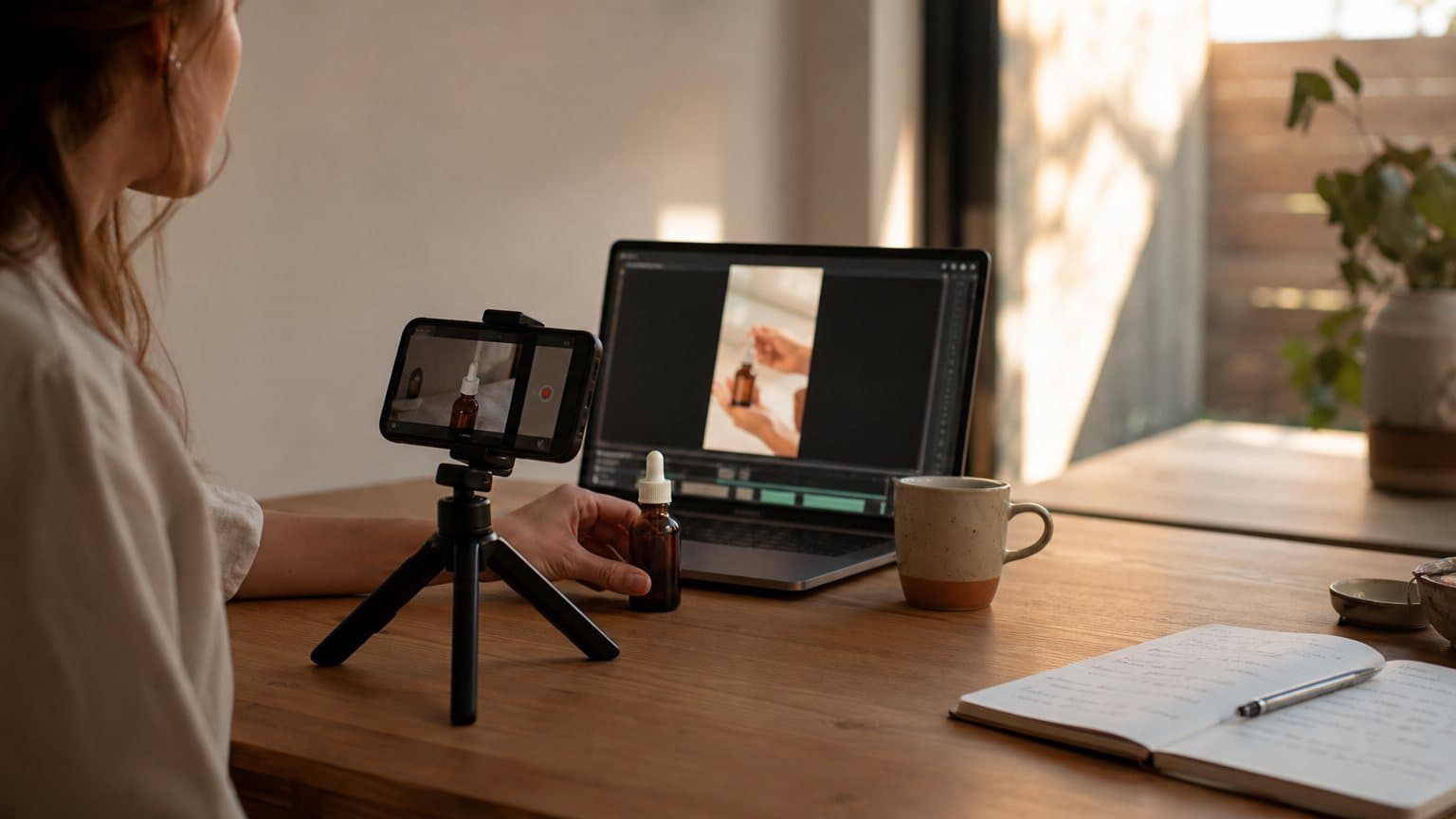
Social Media Video Production: The 7-Step Workflow and Where AI Collapses Four Steps
Social media video production runs on seven steps and six handoffs. Here is what each step costs in days, which four AI removes outright, and what a two-person team can ship once they are gone.

Testimonial Video Examples: The 4 Beats That Separate Proof From Praise
A breakdown of what a converting testimonial video actually looks like, beat by beat, with three teardowns and the structural mistakes that kill the format.

Where AI UGC Realism Actually Comes From (and Why Every Tool Claims It)
Three of the biggest AI UGC tools claim to be the most realistic. They cannot all be right, and it turns out none of them are wrong either. Realism is produced by a handful of rented video engines that any tool can call, at published per-second prices. Here is what actually makes an AI creator look real, who makes those engines, and what genuinely differs between the tools built on top of them.
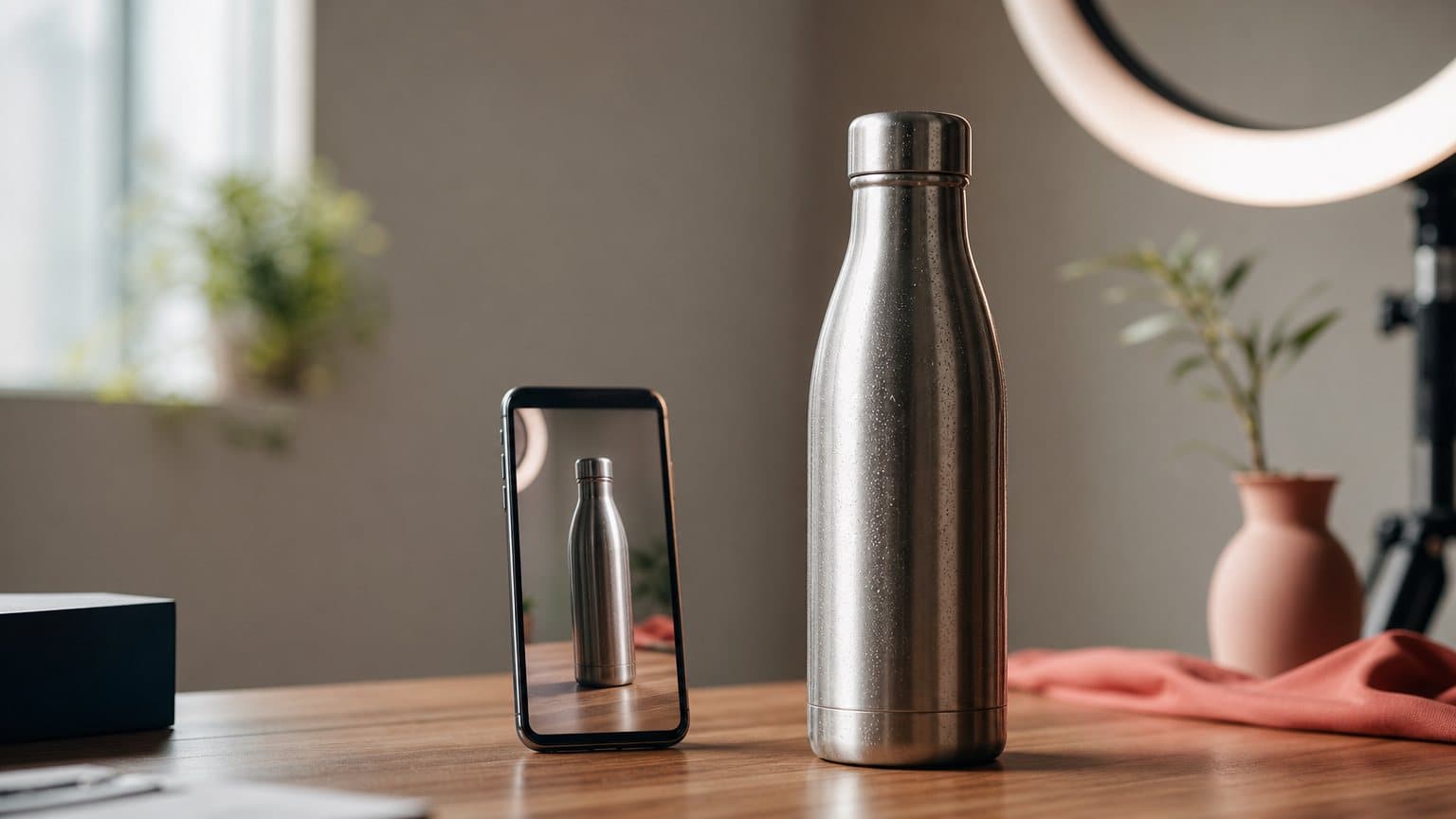
How to Make Product Videos With AI: One Photo to a Finished 15-Second Ad
To make product videos with AI, you turn one product photo into an ad image, animate it into a short vertical clip, then add voice and captions. Here is the exact workflow, the prompt tips, and how to get the product to look right on camera.
TikTok Spark Ads: Setup, Codes, and Creator Authorization That Lasts Up to 365 Days
Spark Ads turn an organic TikTok post into a paid In-Feed ad while every like, comment, and follow the boost earns stays on the original video. Here is how to set them up, generate authorization codes, and run a creator's post as your own ad.

How to Make TikTok Shop Videos With AI: Ten Clips a Week, No Camera
You can produce TikTok Shop product demos and affiliate-style clips at real volume with AI, no filming, no creator, no shoot day. Here is the step-by-step build, the daily cadence that compounds, and the disclosure rules you cannot skip.

Google Search Console for Instagram, TikTok, X and YouTube
Search Console platform properties show how your Instagram, TikTok, X and YouTube posts perform on Google Search: setup, reports and what the data means.
How to Become a UGC Creator in 2026: From First Clip to $500 Videos
A practical 2026 guide to becoming a UGC creator: the skills and gear you actually need, how to build a spec portfolio, pitch brands, price your videos, and where AI now fits.

How to Make Faceless TikTok Ads for Dropshipping and Ecommerce Products: 4 Formats
Show the product working in the first three seconds, carry the pitch with text and a voice, label any AI and match your product page: the four faceless TikTok ad formats for dropshipping, a worked build, and the review traps that reject product ads.
Faceless Video Ads: How to Make Them With AI (No Camera, No Actor)
A faceless video ad sells a product without a presenter: product b-roll, screen recordings, or AI-generated scenes carried by a voiceover and captions. Here are the three builds, when each one wins, and how to produce one with AI for about 10 credits.

Seedance 2.0 Pricing: What It Actually Costs (API, Apps, and Credits)
Seedance 2.0 costs $0.3034 per second at 720p through the fal API, $0.682 at 1080p, and about 2.6 to 7 credits per clip inside Novoads: here is the per-platform price map, a 15-second worked example, and the cheapest way to test it.

Seedance 2.0 Prompt Guide for Ads: 12 Prompts That Actually Convert
A practical prompt anatomy for Seedance 2.0 video ads plus 12 copy-paste prompts for product demos, UGC-style scenes, and b-roll, with the exact credit cost to run each one.
TikTok Ad Disclaimers: What Advertisers Must Show, When, and the 90-Character Rule
TikTok Ads Manager has a disclaimer toggle that adds a label below your in-feed ad: standard text, clickable links, or an AI-generated content disclosure. Here is what each type allows, when TikTok requires one, and how to set it up without a rejection.

What TikTok Counts as Misleading in AI-Generated Ads: 4 Rules That Get Creatives Rejected
TikTok rejects ads for exaggerated results, mismatched landing pages, clickbait mechanics, and before-and-after comparisons. Here is how each rule in its misleading content policy maps to an AI generation failure mode, plus the pre-publish checklist that keeps your creatives approved.
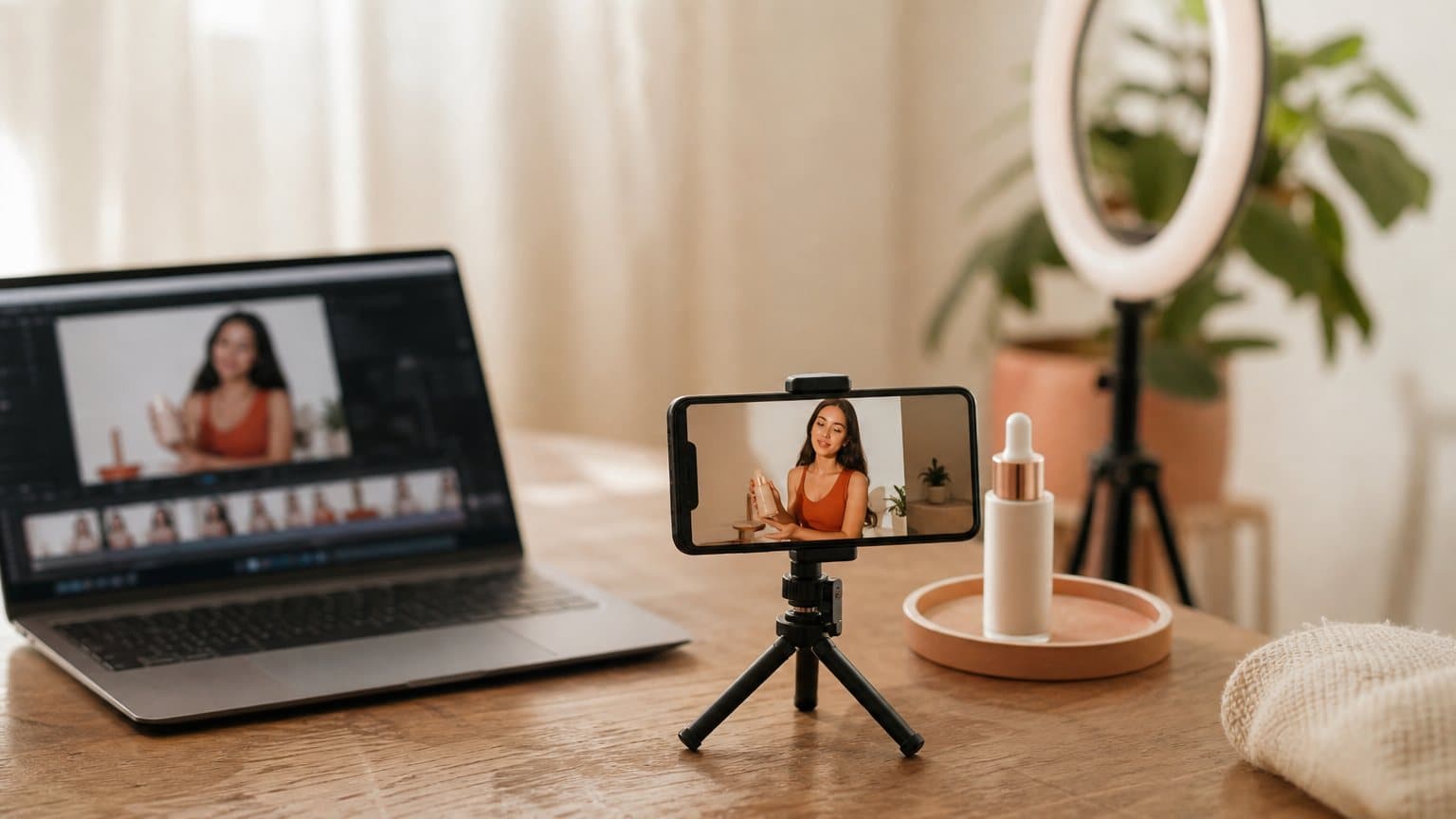
UGC AI: What It Is and How AI Generates UGC-Style Videos
UGC AI is the practice of generating UGC-style videos with AI: a synthetic actor performs a script instead of a person filming. Here is what the term means, how the generation pipeline works under the hood, the output types, and where it fits next to real UGC ads.

High CTR Does Not Mean Your Ads Work: Test 10 Creatives, Track Conversions
Automated bidding and AI optimization have inflated click-through rates, so a high CTR no longer proves an ad works. Here is what to measure instead, and why cheap creative testing finds the ad that actually converts.

Google Is Testing AI Summaries Under Search Ads: 5 Moves Advertisers Should Make
Google Ads is testing AI-generated summaries beneath sponsored results, and it changes what your copy and creative have to do. Here is what is happening and the five moves to make now.

Nano Banana 2 Lite Makes a Product Ad Image in 4 Seconds for $0.034
Google launched Nano Banana 2 Lite, a fast text-to-image model that returns a picture in about four seconds for $0.034. Here is what a cheap, fast AI image model changes for ecommerce ad-makers who live on product photos and static variations.
Seedance 2.0 vs Veo 3.1 for Video Ads: 5 Specs That Decide Your Pick
Novoads runs both Seedance 2.0 and Google Veo 3.1, and the pick comes down to five specs: realism, motion, audio, clip length, and a cost gap that runs about 3 credits versus 10 per clip.

How to Disclose AI-Generated UGC Ads on TikTok: A 5-Step Compliance Checklist
TikTok asks you to label realistic AI content, and for a UGC ad that means a synthetic actor or voice. Here is what counts, how to add the label in a few taps, and a 5-step checklist to stay compliant.

UGC Content Creator: Hire One, or Out-Test It With AI for Under $100
A UGC content creator is a paid pro who makes authentic-style videos brands post as their own. Here is how to find, brief, and manage one, how to become one, and how AI now produces the same clip from a script for a few dollars.
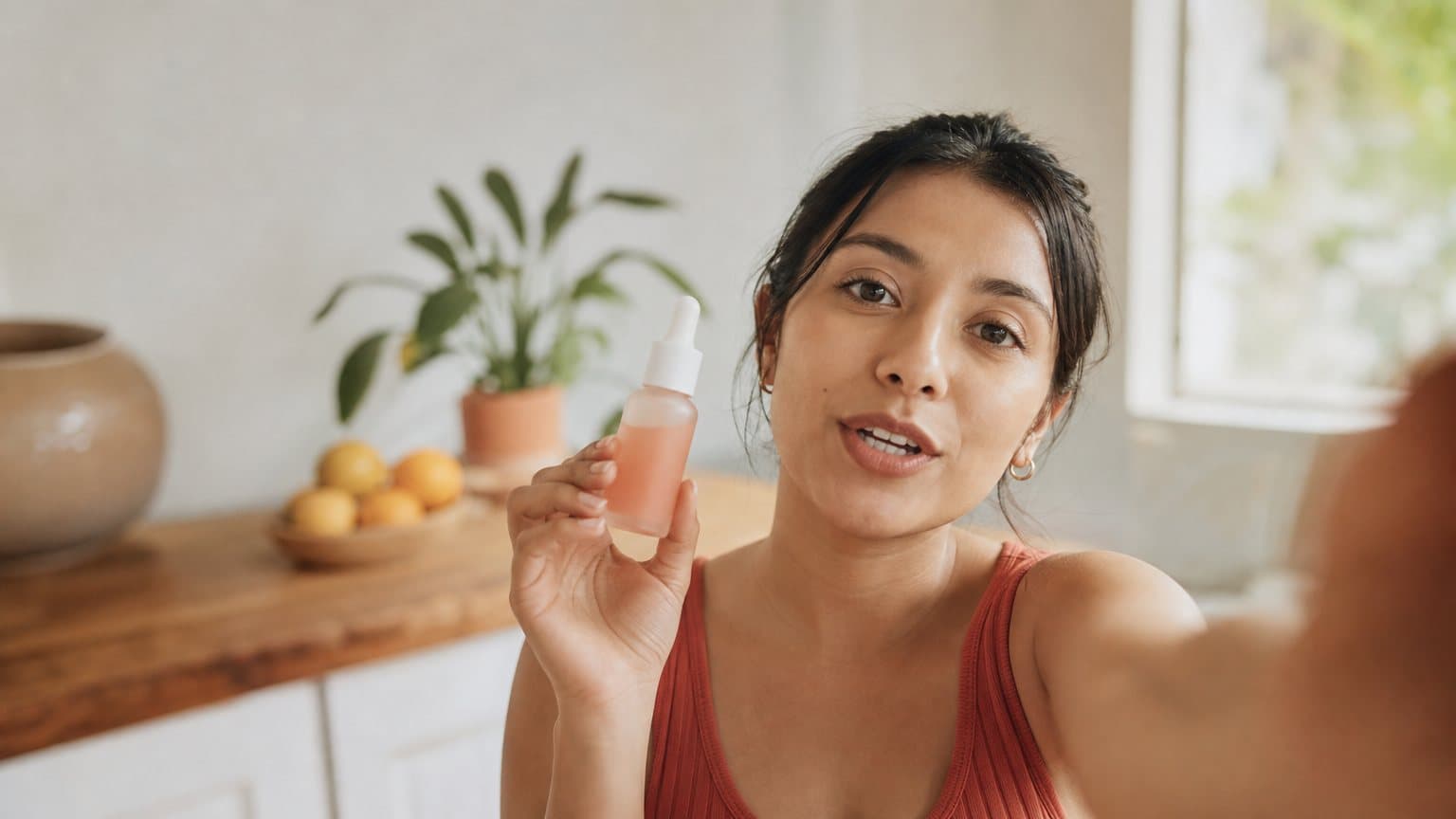
UGC-Style Ads: The Format That Outsells Polished Video, Made With AI in 4 Minutes
A UGC-style ad is a paid video built to look like organic, phone-shot content, and it beats polished brand ads on TikTok, Reels, and Meta because the feed rewards native. Here is what the format is, why it works, and how to make one with AI end to end.

Zeely vs Creatify: Which AI Ad Generator Fits Your Store, Across 5 Factors
Zeely builds and launches whole ad campaigns from one app; Creatify turns a pasted product URL into batches of AI video ads; Novoads makes product-in-hand UGC from a custom actor, in 30+ languages with real regional accents. Here is how the three compare and when to pick each.
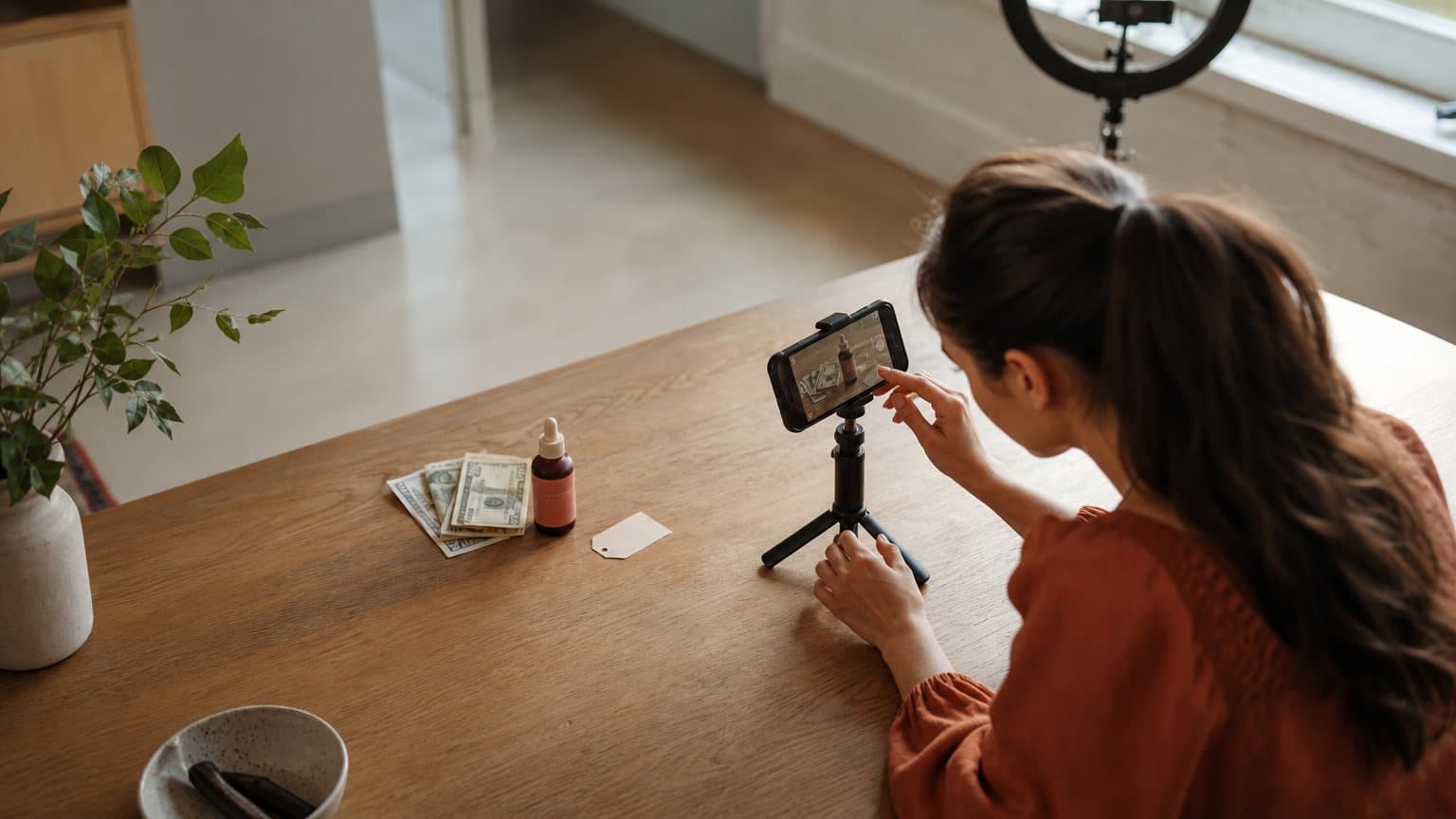
How Much Do UGC Creators Charge? 2026 Rates From $50 to $500+ Per Video
UGC creators charge roughly $50 to $500+ per video, with the most-cited benchmark near $198 per deliverable. Here is what drives the price, the real cost of testing at volume, and how AI produces the same UGC-style ad for a few dollars.

Do You Have to Label AI-Generated Ads? The Meta, Google, and TikTok Rules
Whether you must label an AI-generated ad depends on the platform and the ad. Here is what Meta, Google, and TikTok actually require in 2026, and how to ship compliant AI ads.

What Is a UGC Creator? Definition, Cost, and the AI Alternative
A UGC creator is someone a brand pays to make authentic-style videos and photos for the brand to post itself. Here is what they do, what they charge, and how AI now produces the same trust signal.

AI ads: how to create video ads that convert
What AI ads are, the types that actually work for paid social, and how to create high-converting UGC video ads with AI — without a camera, crew, or editor.

How to Make Miniature World Videos With AI: The Tilt-Shift Look in Two Prompts
Generate a macro still of tiny figures around one oversized object, then use it as the first frame of an image-to-video model and prompt one slow camera move. Here are both prompts, the scale words that make a scene read as miniature, and how to put your product in the tiny world.
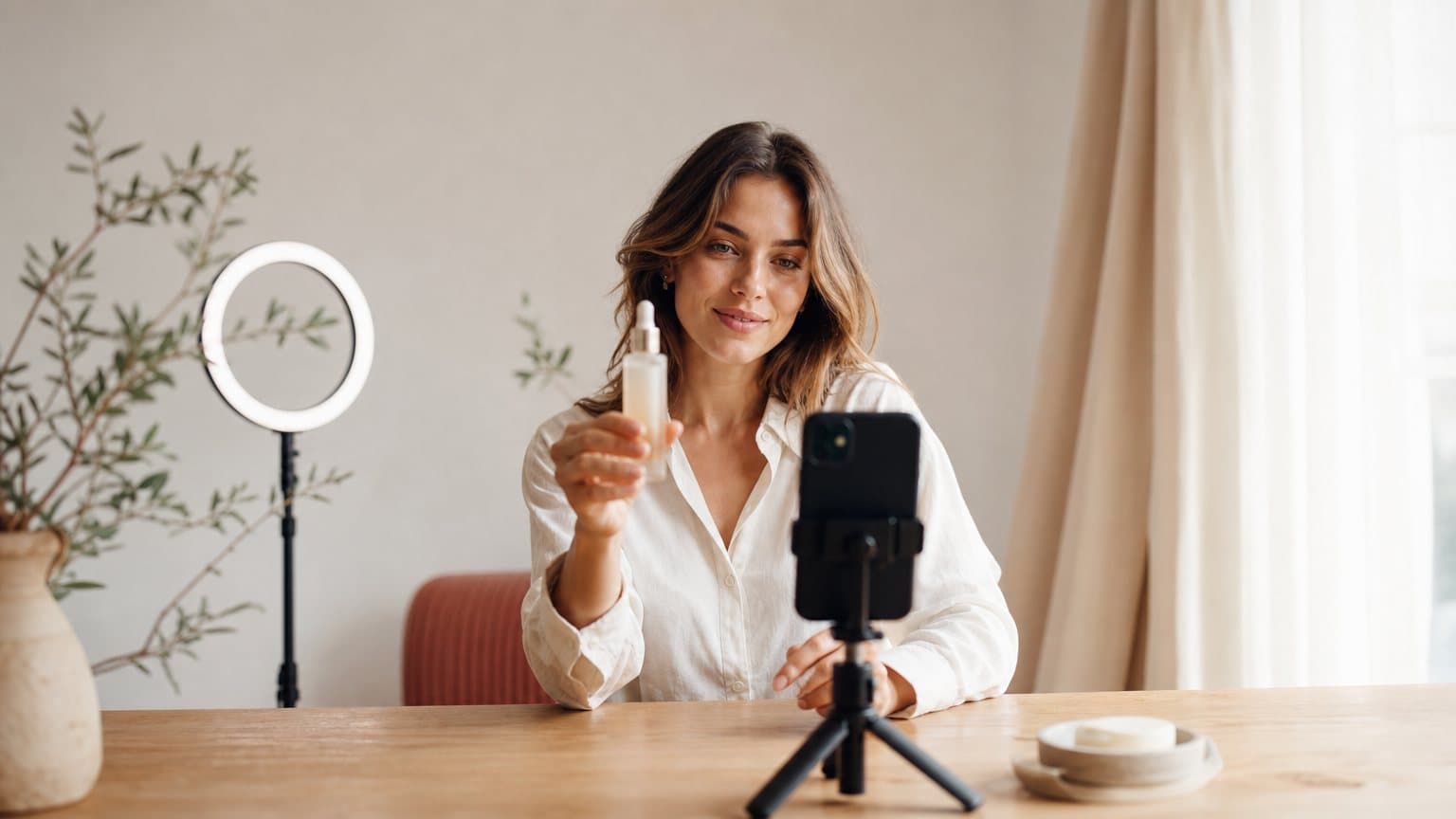
UGC Ads: What They Are, Why They Work, and How to Create Them with AI
Complete guide to UGC ads (User Generated Content): what they are, why they outperform polished brand ads, the formats that carry paid social, and how to create them with AI in minutes.

How to Create UGC Ads with AI: The Copy-Paste Step-by-Step
Create UGC-style video ads with AI in one sitting: write a four-beat script, upload a product image, pick an actor that matches your buyer, and export a publishable ad. Here is the exact workflow.
How to Create Video Ads Without a Camera in 2026
Discover practical methods to create professional video ads without filming equipment. Compare AI avatars, animation, stock footage, and other camera-free approaches with costs, quality, and production speed.

What Is CPA (Cost Per Acquisition)? Complete Guide 2026
Learn what CPA means, how to calculate it, average benchmarks by industry, and five proven strategies to reduce your cost per acquisition with AI-powered video ads.

What Is CPM (Cost Per Mille)? Benchmarks & Optimization 2026
Understand CPM, the cost-per-thousand-impressions metric, with platform-specific benchmarks, optimization strategies, and tips for reducing CPM with video advertising.
What Is CTR and How to Improve It in 2026 (With Benchmarks)
Complete guide to click-through rate: what it means, average CTR by platform, five proven strategies to improve it, and the common mistakes dragging your CTR down.

What Is Retargeting? How to Set It Up in 2026
Learn what retargeting is, why it converts 70% better, the six types of retargeting campaigns, and a step-by-step guide to setting up your first retargeting strategy.

What Is ROAS? The Formula, a Worked Example, and the Break-Even Floor
ROAS (return on ad spend) is the revenue you earn for every dollar spent on ads. Here is the formula, a worked example, why a high ROAS can still lose money, what counts as a good ROAS, and how to improve it.
![What Is UGC? A Complete Guide to User-Generated Content [2026]](/_next/image?url=%2Fblog%2Fque-es-ugc.jpg&w=3840&q=75)
What Is UGC? A Complete Guide to User-Generated Content [2026]
UGC (user-generated content) is content that looks like a real customer made it, used by the brand to sell. Here is what it is, why it converts, and how AI now produces the same trust signal at volume.

AI-Powered Video Testimonials Explained: Four Formats and Where the FTC Draws the Line
An AI-powered video testimonial puts a real customer's words on camera through a generated face and voice. Here are the four formats, what the FTC's testimonials rule prohibits, and what makes one believable.