How to Become a UGC Creator in 2026: From First Clip to $500 Videos
A practical 2026 guide to becoming a UGC creator: the skills and gear you actually need, how to build a spec portfolio, pitch brands, price your videos, and where AI now fits.

Mauricio Valdivia
·11 min
You Do Not Need Followers to Get Paid
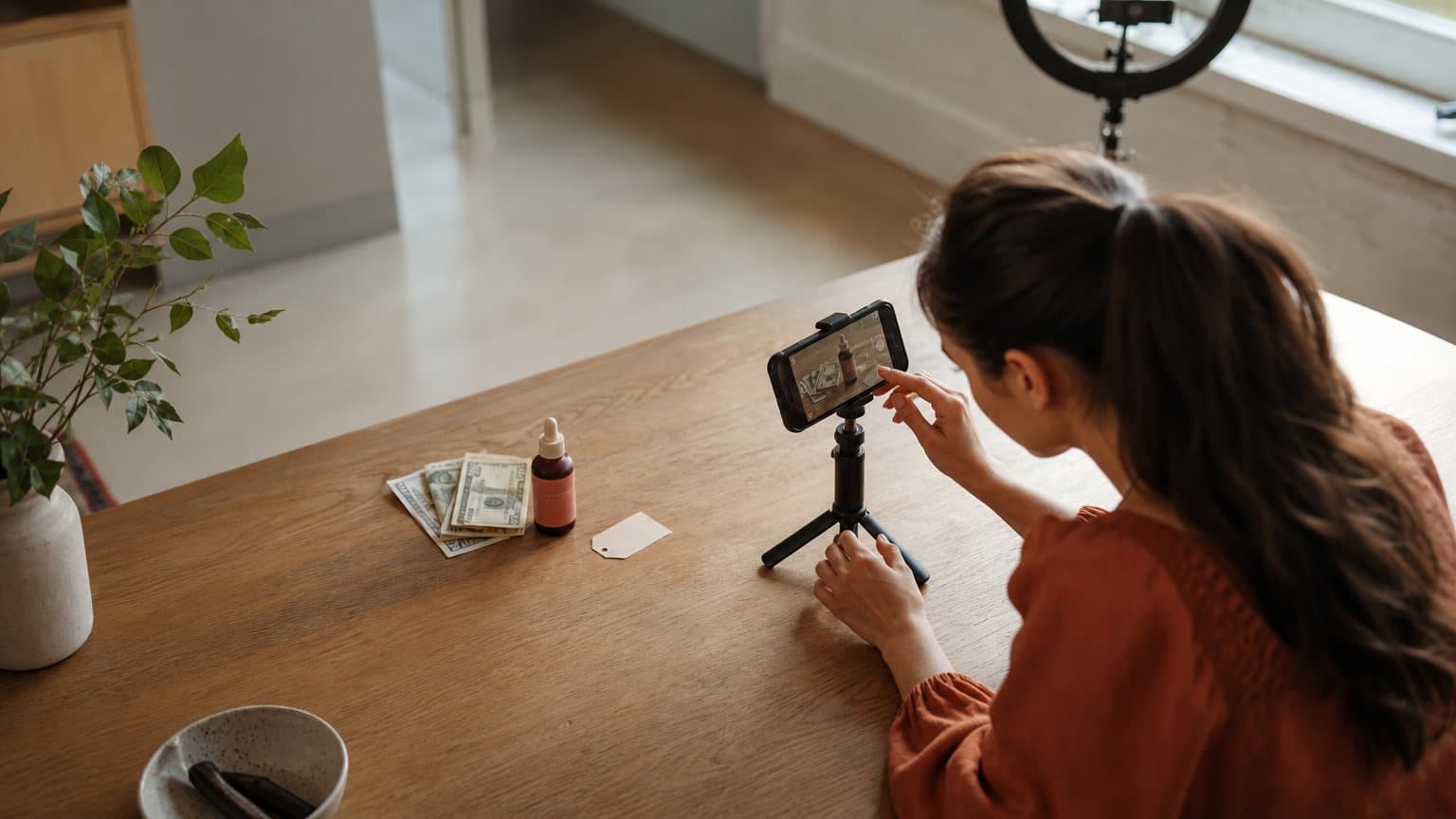
The most-searched version of this question hides a wrong assumption. Most people who type "how to become a UGC creator" believe the gate is an audience. It is not. The person a brand pays to film a phone-shot product review often has a following you could count on two hands. What they have instead is a short reel of clips that already look like ads.
A UGC creator makes authentic-style videos, usually short and vertical, that a brand then posts as its own. You hand over the file, and the brand runs it. That is the entire product. If you want the full definition and how it differs from an influencer, start with what a UGC creator is. And it pays: established creators command $500 or more per video before licensing, and the market anchor for a single clip sits near $200.
This guide is the practical path for the person on the creator side of the brief. The skills and gear that actually matter. How to build a portfolio before you have a single client. Where the work comes from and how to pitch for it. What to charge. And how AI is quietly rewriting who produces UGC, and at what volume. The deliverable is the business. Not the audience.
What a UGC creator actually does
Before the how-to, get the job right, because most beginners aim at the wrong target.
You make the asset, the brand runs it
An influencer sells distribution: you pay for access to their audience. A UGC creator sells the asset: a brand pays for footage it owns and posts itself. Those are different businesses. When a brand says "we need UGC," it almost always means the file, not the following. The whole craft is making paid content read as unpaid, a real-seeming person talking to camera in a way that looks like nobody hired them. Our brand-side hub on working with a UGC content creator covers the hiring view; this is the mirror image of it.
It is a job, not a follower count
Because you are selling a deliverable, the thing that grows your income is not reach. It is how reliably you hand back a clip a brand can run this week. A creator with 800 followers whose first cut gets approved and who delivers in three days out-earns one with 200,000 followers who has never made an ad. That reframe is the most important one in this article, so hold onto it: you are building a portfolio and a turnaround reputation, not an audience.
The skills that actually matter
The barrier to entry is low on production and high on judgment, which is the opposite of what most beginners expect.
Marketing judgment beats production polish
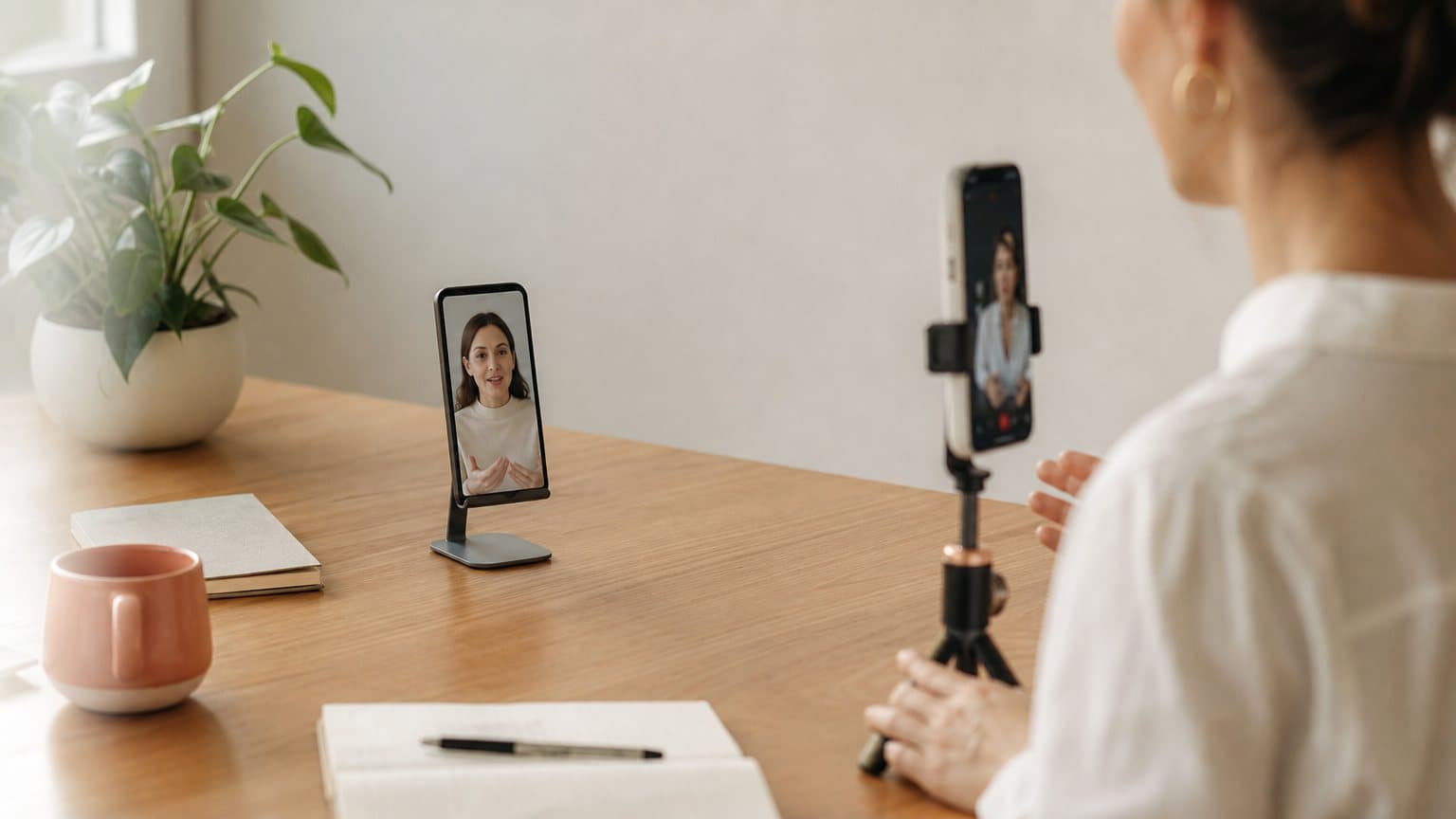
The single most valuable skill is thinking in hooks and angles. An angle is the specific way you frame the product: a problem-solution story, a testimonial, a straight demo. The hook is the first three seconds that decide whether anyone watches the rest. A creator who can look at a supplement and pitch three different opening lines is worth more than one with a cinematic eye and no idea why an ad works. If hooks are new to you, they are the highest-leverage thing to study first, because a weak opener sinks a technically perfect video.
Reading like a person, not a spokesperson
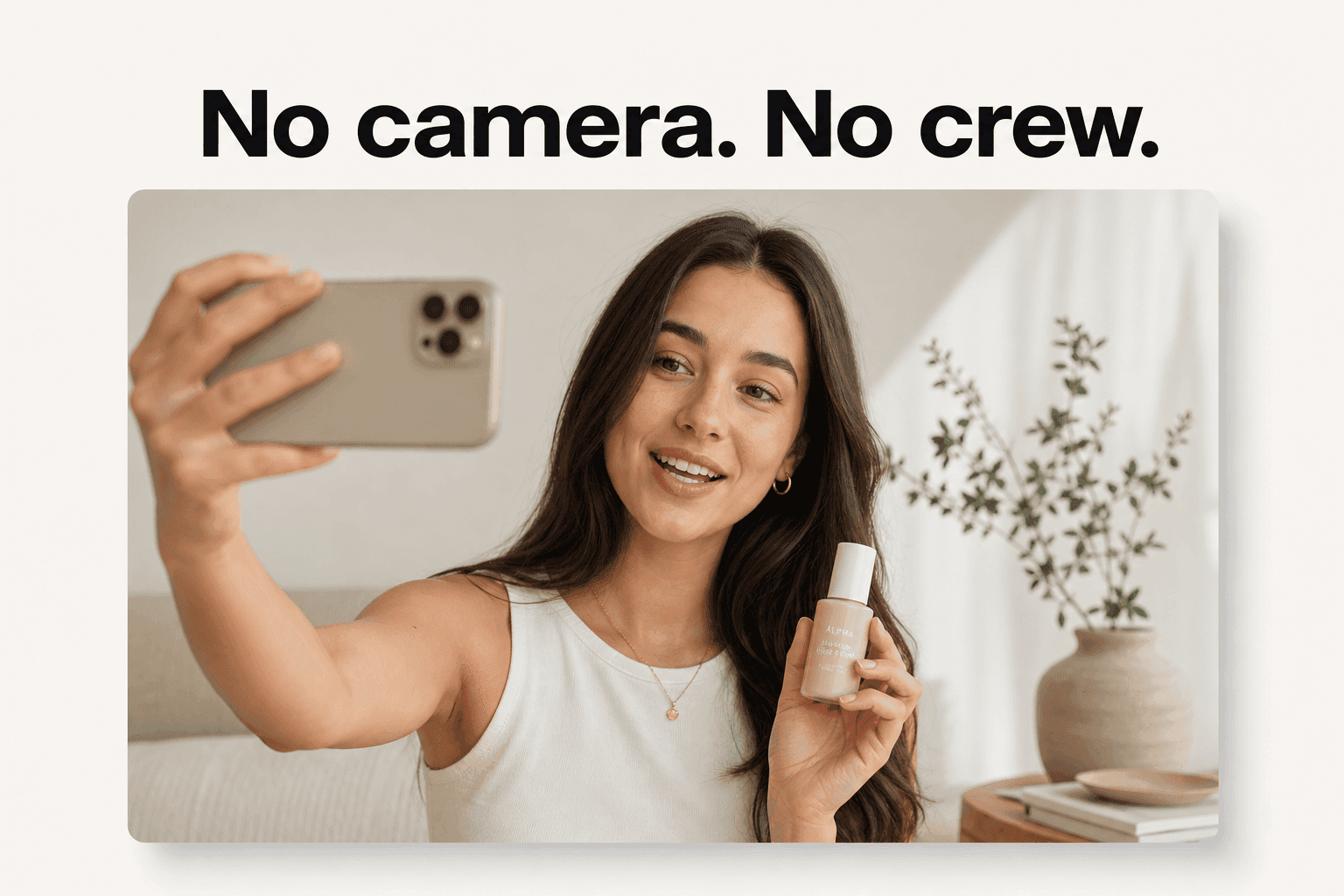
The format lives or dies on authenticity. A UGC clip passes when it sounds like a friend telling you about something they found, not a brand reading a press release. That means natural pacing, a small stumble left in, real enthusiasm instead of announcer energy. This is a learnable skill, not a talent you either have or do not. Record yourself, watch it back, and cut anything that sounds "produced." The goal is a video a viewer would not immediately clock as an ad.
The skills brands do not care about
It helps to know what to ignore, because chasing the wrong signals is how new creators burn money and months. Brands hiring UGC are not grading you on:
- Color grading and cinematic transitions. Those belong to filmmaking, a different craft.
- Your follower count. That is the influencer job, a different business entirely.
- Broadcast polish. Over-produced footage reads as an ad, the one thing you are trying to avoid.
The real bar is simpler: does this look like a real person, and would it stop a scroll?
The gear you actually need (and what to skip)
Here is where a lot of would-be creators overspend before they have earned a dollar.
A recent phone, a window, and clean audio
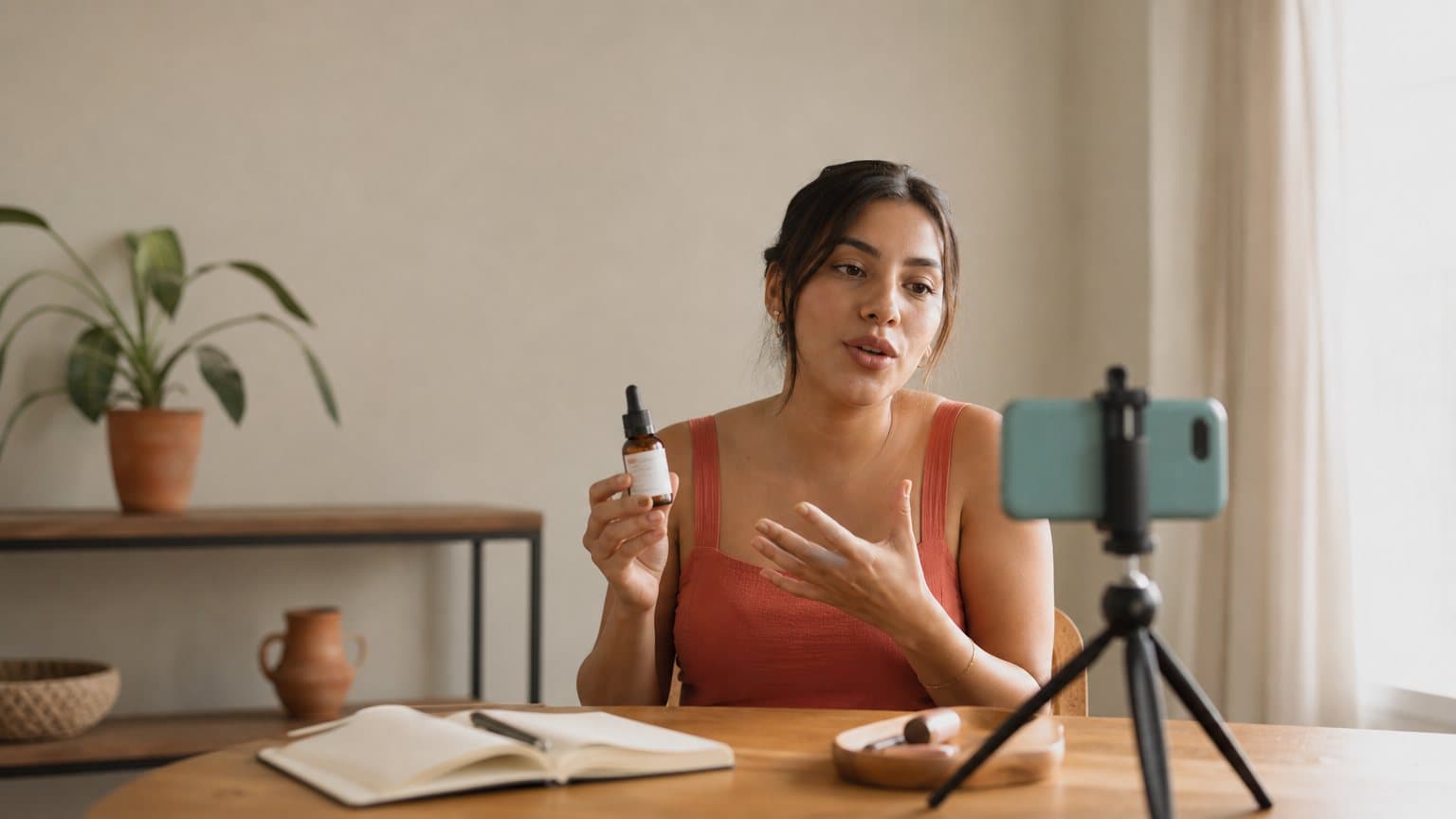
The honest starter kit is short, and all of it costs well under $100:
- A recent phone. Anything from the last few years shoots more than enough resolution for vertical social.
- A window. Natural light, with you facing it, beats most lighting setups you could buy.
- A clip-on mic. A $20 to $30 lapel mic is the one upgrade worth buying early, because viewers forgive shaky footage but scroll past bad sound.
- A small tripod. Cheap, and it frees your hands so you are not filming one-armed.
That is the whole list. You can shoot professional-grade UGC before you have spent a hundred dollars on equipment.
What not to buy yet
For now, skip the gear that solves problems UGC does not have:
- A cinema camera. Its polish reads as an ad, which is the one look you are avoiding.
- A softbox studio. A window does the job until you are booking steady work.
- An expensive editing suite. Your phone and a basic editing app are enough to start.
A ring light is a reasonable second purchase once you want consistency across clips. The rule: buy gear to remove a specific problem you are actually hitting, not to feel like a professional. The reel gets you hired, not the receipts.
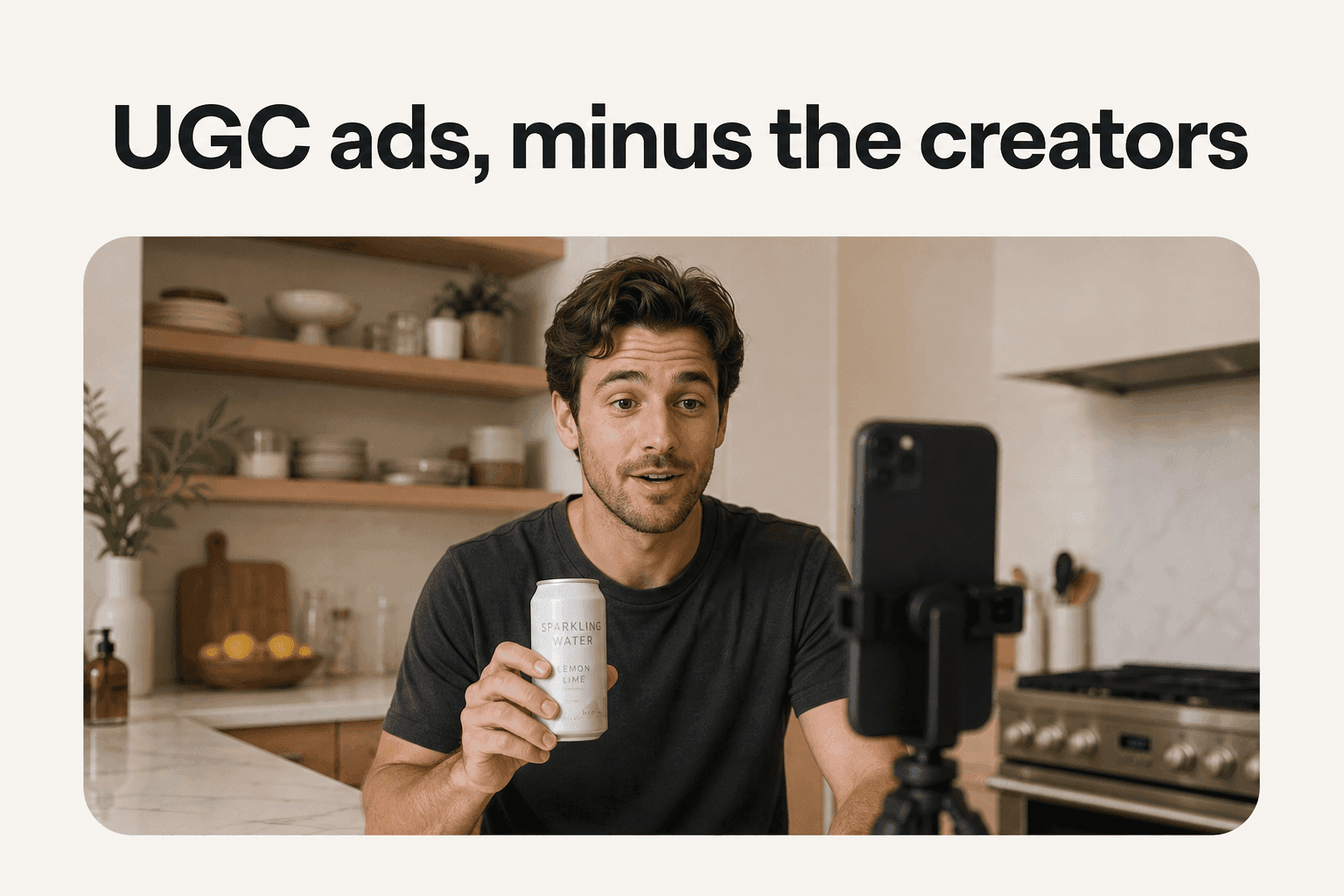
Build a spec portfolio before you pitch
This is the step that separates people who become UGC creators from people who read about it. You do not wait for clients to build a body of work. You build the work first.
Film three to five spec clips for products you own
A spec video is a real, ad-ready clip you shoot on your own dime for a product you already have, made exactly the way a brand would want it. Your skincare routine, an app you use, a supplement in your cabinet. Three to five of these are your portfolio. No brand hires from a promise, but plenty hire from a reel that already looks like their next ad. Treat these as auditions: shoot them, be honest about which ones land, and keep only the strongest.
Pick a niche where brands actually spend
Generalists get commodity rates. A creator known for one category gets briefs where the fit is obvious and the price is not the first question. Pick a niche where brands spend real money on paid social:
- Skincare and beauty. High ad spend, endless new SKUs, a testimonial-friendly format.
- Supplements and wellness. Claim-heavy, so brands value a creator who films them cleanly.
- Apps and fintech. Demo-driven, and short on creators who can make software feel human.
- Home and DIY. Problem-solution gold, with products that show their value on camera.
Your niche also makes your reel legible: a brand can watch fifteen seconds and know you have shot their kind of product before.
Match the deliverables real ads use
Do not invent formats. Reproduce the ones that already work in UGC-style ads, because familiarity is part of why UGC converts:
- Testimonials. A person to camera explaining what changed for them.
- Unboxings and first impressions. The package, the reveal, the honest reaction.
- Demos and how-tos. The product solving the exact problem it is sold against.
- "Get ready with me" and day-in-the-life. The product woven into a routine.
- Problem-solution skits. A frustration in the first three seconds, the product as the turn.
Shoot a couple of these across your niche and you have a reel that looks commissioned before anyone has commissioned you.
Where the work is, and how to pitch
With a reel in hand, the job becomes distribution. There are two doors, and you should use both.
Marketplaces vs direct outreach
There are two doors, and you should use both in order:
- Start on a marketplace when you need your first paid clips, reviews, and the safety of escrow. Billo, JoinBrands, Collabstr, and similar give you a filtered roster and a rate card, at the cost of a platform fee and stiff competition on price.
- Go direct when you know your work converts and want a standing relationship. Sliding into the inbox of a brand whose product you already like gets a sharper fit and a better rate, at the cost of doing your own vetting and contracting.
Treat them as a funnel, not a choice: the marketplace gets you started, and direct outreach builds the relationships that actually pay.
The cold pitch that gets a reply
A pitch that works is short and specific. Three lines do more than three paragraphs:
- Open with a relevant clip. Link one spec video in the brand's own category, so they see the fit in fifteen seconds.
- Name the angle. Say exactly what you would shoot for their product, not that you love making content.
- State rate and turnaround. Remove the guesswork, because brands are buying a solved problem.
One tight message with a relevant clip beats ten generic ones, because you are proving the deliverable instead of describing it.
The metric that compounds
Followers are not the asset that grows your rate. Two numbers are:
- Acceptance rate. How often your first cut gets approved without a pile of revisions.
- Turnaround. How fast you deliver once the brief lands.
A creator who reliably nails the brief in three days can charge for a near-guarantee, which is exactly what a brand tired of the revision loop will pay a premium to get. Track those two numbers like a business, because they are the business.
What you can charge in 2026
Now the part everyone wants: the money. Rates scale with proof, niche, and rights, not with your follower count.
| Stage | What you can charge | What moves you up |
|---|---|---|
| First clips | $50 to $100 | A niche and a real reel |
| Established | $150 to $500 | Proof an ad converted |
| In demand | $500 to $1,200 | A recognizable style |
| Top tier | $1,000 to $3,000+ | A signature face brands want |
Those bands come from what brands actually report paying: entry work lands around $50 to $100, mid-tier moves into the $150 to $500 range, and top creators reach $1,000 to $3,000+ per piece. Most working creators earn between $150 and $300 per video, and the single most-cited anchor for one clip is roughly $200. Read that as a ladder, not a lottery: you climb it with a niche and evidence, not with reach. The full breakdown lives in our guide to how much UGC creators charge.
Price for rights, not minutes
Here is the beginner mistake that leaves the most money on the table. Your base rate should cover filming; your real money is in the license. Usage rights for paid ads commonly add 30 to 50% on top of the base, and whitelisting (running the ad through your own handle) is billed again. Bulk deals usually trade a 10 to 15% discount for a standing order. So a $60 clip with paid-ad rights thrown in at no charge is actually a $200 job you sold for $60. Charge the base plus the rights, and you land at the market anchor without raising your filming fee at all. Price like a licensor, not an hourly worker.
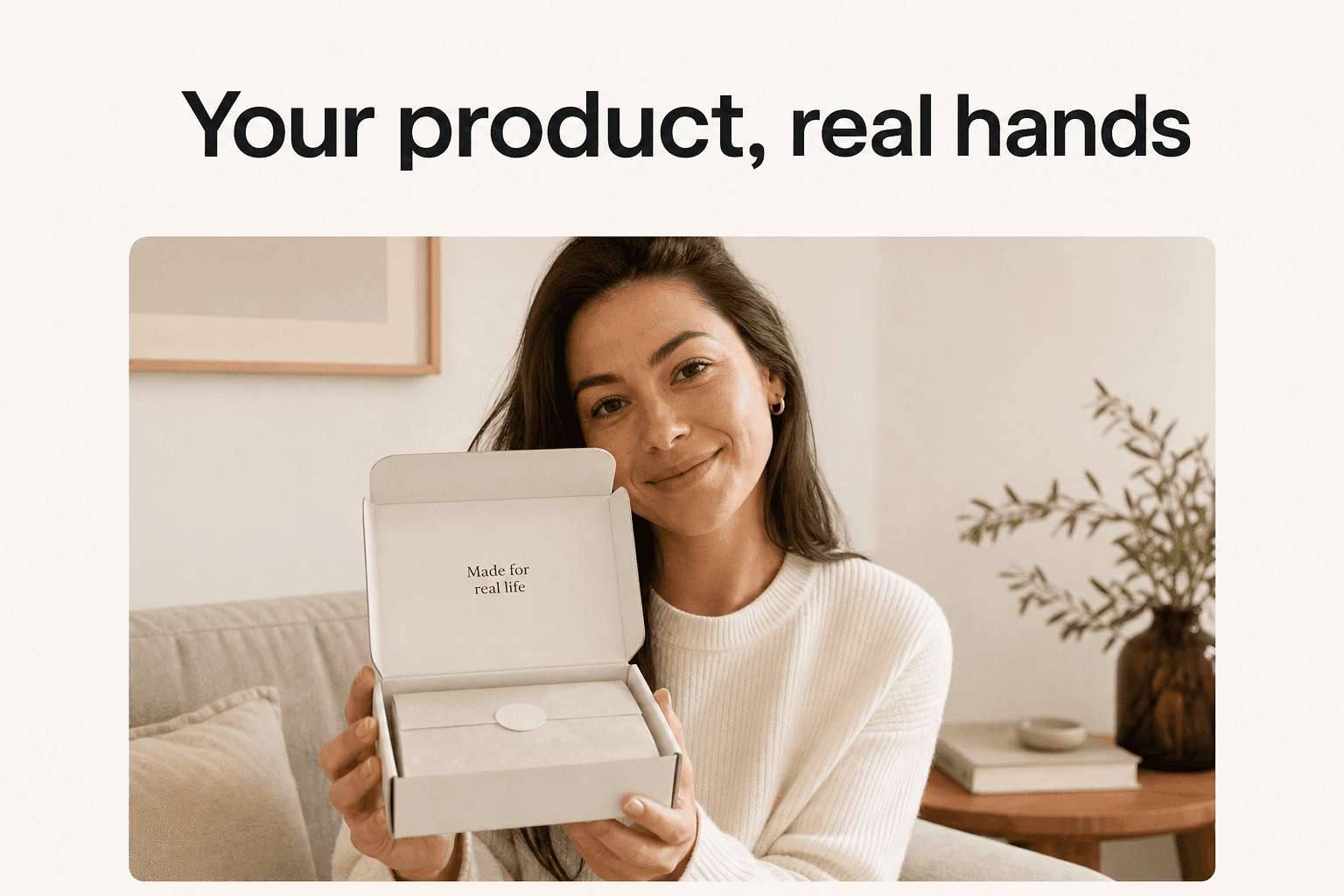
How AI is reshaping who produces UGC
This is the part of the job that changed in the last two years, and pretending it did not is the fastest way to price yourself out. The honest read is neither "AI takes all the jobs" nor "AI is a toy." It is that AI is absorbing a specific slice of the work, the same shift reshaping AI video ads across paid social.
The volume shift
Understand the math a brand runs when it passes on your tenth clip. Testing ten angles for one product used to mean hiring ten times: at the roughly $200 anchor, plus paid-ad rights, that is about $2,000 to $2,800 and a month of briefs and revisions. Run those same ten angles through an AI UGC tool and they cost close to the price of one of your clips, produced the same afternoon. That gap is why the high-volume, low-margin work (ten variations, a fresh weekly batch, the same script in five accents) is steadily moving to tools. It is not personal. It is throughput.
Where a human still wins
The work that does not move is the work where the person is the message:
- The founder. Someone telling their own origin story, which a script cannot invent.
- The real customer. Lived experience with the product that reads as true because it is.
- The signature face. A person a brand builds itself around for months and wants exclusivity on.
Those jobs pay the premium tier precisely because AI cannot fake a specific human with a real history. If you want a durable UGC career, aim it here: be the face and the story worth paying for, not the tenth interchangeable test clip.
Use AI as a creator, not just against it
The creators who win the next few years treat AI as one tool in their own kit, not only as a competitor. Use it to storyboard angles, draft scripts, or spin up rough variations you refine on camera, so you deliver more options per brief without shooting all day. The mindset shift is simple: the brand does not care whether volume came from your hands or a tool, only that you solved its problem. Own the human jobs, and let AI multiply everything around them.
How Novoads fits into a creator's toolkit
If you want to see the tool side of this shift, or offer AI volume to your own clients, Novoads is a global AI UGC video-ad generator. You write or auto-generate a script, pick an AI actor matched to an audience's age, gender, and accent, and it produces a UGC-style vertical video with voice, lip-sync, and captions, formatted 9:16 for TikTok, Reels, and Meta. The headline time is about four minutes, and a clip runs from about a dollar for a five-second Seedance 2.0 Mini clip to about $8 for an eight-second Seedance 2.5 clip, and about $26 for a full 30-second Seedance 2.5 take, versus a few hundred dollars per hired invoice. It also makes native-local ads in 30+ languages with real regional accents, and you can upload a product photo and turn it into an ad creative.
What it does not do is replace a talented human for a flagship face, which is exactly the job you should be building your career around. What it removes is the reason a brand could only afford to test twice. You can try it from $49/month. Cancel anytime.
Build the reel, not the audience
Becoming a UGC creator was never about going viral. It is about being able to hand a brand a believable person reading its pitch, in a format people actually trust, on a reliable schedule. That is a craft, and it is worth real money for the faces and stories a brand cannot generate.
So build the thing that gets you hired. Not a follower count, but a reel that already looks commissioned, a niche brands recognize, and a turnaround they can count on. The volume work is drifting to tools, which is fine, because the volume work was never where the money was. The money was always in being the specific, believable human on the other end of the brief. Build that, price the license, and let everything else scale around you.
Frequently Asked Questions
How do you become a UGC creator with no experience or followers?
You do not need experience or an audience to start. Film three to five spec videos for products you already own, shot the way a brand would want them (a testimonial, an unboxing, a demo). That reel is your portfolio and your proof. Then pitch brands directly or through creator marketplaces. Brands hire from a clip that already looks like their next ad, not from a follower count.
What equipment do I need to start as a UGC creator?
Less than you think. A phone from the last few years, natural light from a window, and a clean microphone (a $20 to $30 clip-on lapel mic) cover the essentials. Add a small tripod and, later, a ring light for consistency. Do not buy a cinema camera or a studio. UGC is supposed to look handheld and real, so over-produced footage actually works against you.
How much can a UGC creator charge per video in 2026?
First clips typically go for around $50 to $100. With a niche and proof that an ad converted, you move into the $150 to $500 range, and established creators command $500 or more before licensing, up to $1,000 to $3,000+ at the top. The market anchor for a single clip sits near $200. Usage rights for paid ads commonly add 30 to 50% on top of your base rate, so price the license, not just your filming time.
Do UGC creators need to show their face?
Not always, but a face on camera is the most in-demand format because the trust signal comes from a real-seeming person. If you are not comfortable on camera, you can specialize in voiceover demos, hands-and-product shots, or unboxings where the product is the star. Those pay less than talking-head testimonials but are a legitimate way in, and they let you build a reel while you get comfortable.
Is it still worth becoming a UGC creator now that AI can make videos?
Yes, but position deliberately. AI is absorbing the high-volume, low-margin work: ten test angles, weekly creative refreshes, the same script in five accents. What stays human is the flagship face, the founder or real customer whose lived experience a script cannot fake, and the long-term ambassador a brand builds around. Aim your career at those jobs, keep a niche, and use AI tools to scale your own output rather than treating them only as competition.
Key Takeaways
- Becoming a UGC creator is a portfolio-and-pitch business, not a follower game. The deliverable is a clip a brand can run as an ad, and that clip is the whole product you sell.
- The skills that matter are marketing judgment (hooks and angles) and reading like a real person on camera, not cinematic production. A recent phone, a window, and a clean mic are enough gear to start.
- Build three to five spec videos for products you already own, pick a niche where brands spend on ads, then pitch through marketplaces and direct outreach. Your acceptance rate and turnaround speed matter more than your follower count.
- Rates run from around $50 to $100 for first clips up to $1,000 to $3,000+ for top creators, with a market anchor near $200. Price for usage rights, not filming minutes, because rights commonly add 30 to 50%.
- AI is shifting the low-margin volume work (ten test angles, weekly refreshes, extra accents) toward tools, so the durable human jobs are the flagship face and lived experience. The smart move is to own those and use AI to scale your own output.