
News
AI advertising news: tool launches and platform changes.

AI Video Physics: Seedance 2.5, Veo 3.1 and Kling 3.0 Pro Failed a Water Pour
In a September 23, 2026 write-up, HumanSignal gave Seedance 2.5, Veo 3.1 and Kling 3.0 Pro the same first frame of a water pour, and none produced a convincing one. Here is which product-ad shots to plan around, and the clay-previs workaround that saved their spot.

ChatGPT Ads Reaches Southeast Asia and Taiwan: 7 Markets and 4 Ways to Buy
On September 23, 2026 OpenAI announced that ChatGPT Ads is beginning to roll out in Indonesia, Malaysia, the Philippines, Singapore, Thailand, Vietnam and Taiwan, taking it past 60 countries. Here is who will see the ads, the four routes OpenAI names for buying them, and what to confirm before you plan a campaign in the region.
Gemini 3.8 Flash TTS for Ad Voiceovers: 30-Second Voice Replication, Consent First
Google's September 23 launch adds prompt-designed voices, a library it puts at 2,000-plus voices, and replication of your own voice or one you have the rights to use from a short sample, gated by a spoken consent recording from the voice owner. Here is what that means for brand voices and spokesperson ads, and what a read costs.
Recraft V4.1 Flash for Static Ad Variations: What $0.007 an Image Buys You
Recraft announced V4.1 Flash on September 23, 2026, quoting a median of about 1.3 seconds from prompt to image through its API; its API docs list it at $0.007 per image as of September 28, 2026. Here is what that changes in a static ad variation loop, the two color controls it exposes, and the limits that decide where it fits.
ChatGPT Ad Load by Category: Sponsored Ads Hit 47% of Tracked Gaming Chats
Search Engine Journal's reading of Comscore's gated Q2 2026 AI Intelligence Report puts sponsored ads in 47% of the US desktop ChatGPT conversations about video games and consoles that Comscore tracked in June 2026, up from 3% in March. Here is what the three category series measure, what they leave out, and how to use them when you decide where to test.

ChatGPT Ads Shopify App: The Seven-Step Setup and OpenAI's September 23 International Date
OpenAI's ChatGPT Ads app for Shopify connects an ad account and a pixel to your store and syncs your catalog into a product feed. Here is the setup in OpenAI's own order, what the catalog sync hands over, what OpenAI said about opening the app internationally from September 23, and what the first 11 reviews report.
ChatGPT Ads Sponsored Agents: OpenAI Tests Ads That Talk Back, Plus 3 AI Tools
On September 16, 2026 OpenAI began testing Sponsored Agents with select US advertisers and started rolling out three AI tools for ChatGPT Ads: an Ads Manager plugin inside ChatGPT, suggested copy and imagery drafted from your landing page, and opt-in text customization that translates your ads. Here is what each one changes, and what it still leaves to you.
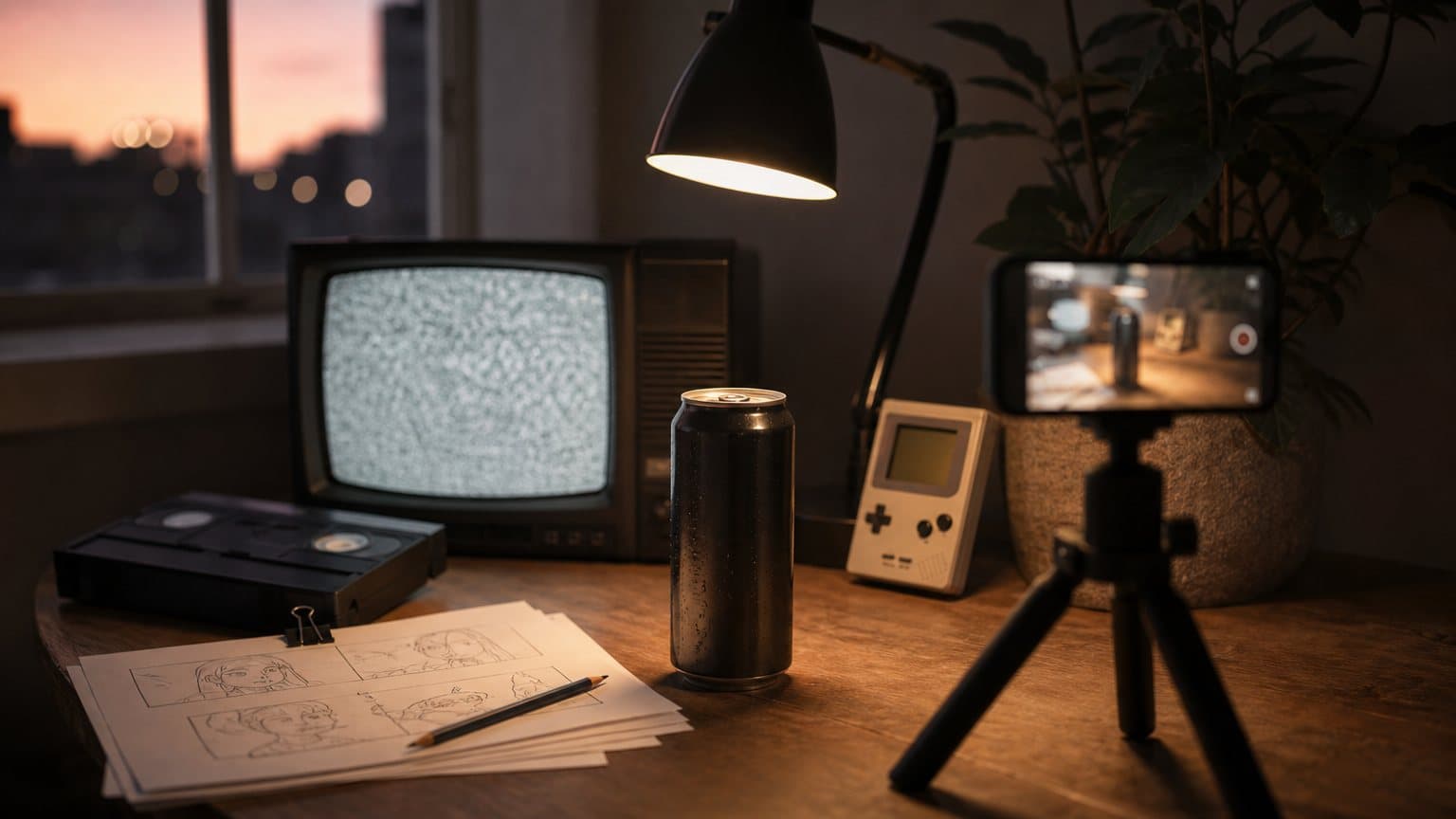
MiniMax H3 Max Styles: VHS, 70s Toon and Pixel-Art Ads at $0.08 a Second
fal now lists five one-call H3 Max style endpoints, VHS, Retro Toon 70s, Hand Drawn, Low Poly and 16-bit Pixel, each making 5 to 15 seconds of 768p video with sound from a prompt or an optional first frame at $0.08 a second. Here is which look fits which ad, what a test costs this week, and how to brief one.
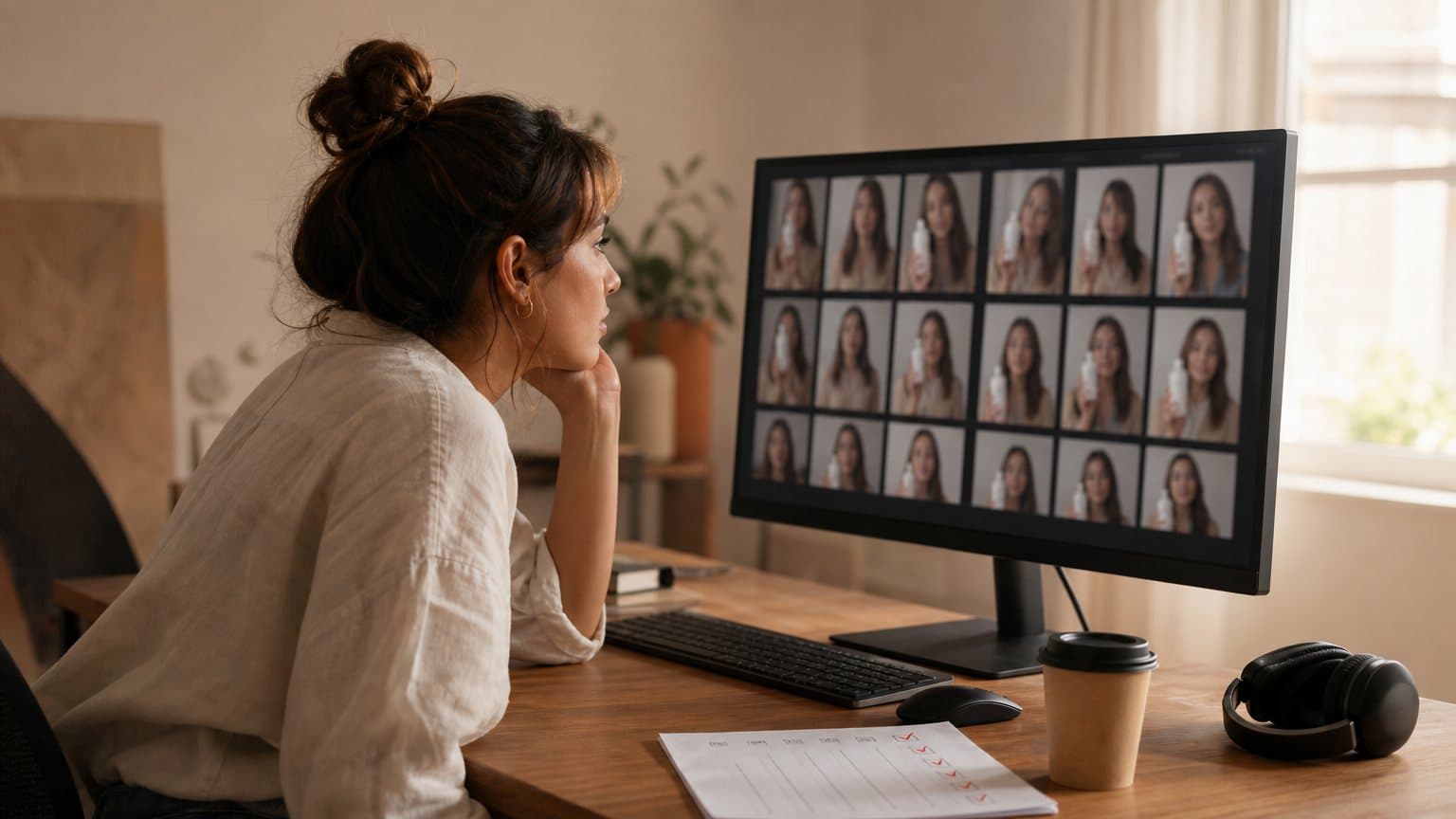
AI Slop Grenades: Why Reviewing AI Ad Creative Is Part of What It Costs
On a podcast released September 15, 2026, Shopify's CEO said the failure case of lazy work is now over-output, and that staff call unreviewed AI output a slop grenade. Here is what that argument is, and our reading of where the same checking cost lands in an ad account.
Threads Ads Without an Instagram Account: What Meta Changed and What It Unblocks
Meta says matching Threads and Instagram usernames are no longer required to run Threads ads, and that a business with no Instagram profile can launch from its native Threads profile. Here is what that removes, what Meta's own readable pages still say, and what to change in the creative.
OpenAI Video API Shuts Down September 24: What to Change in Your Code
OpenAI's deprecations page schedules the Videos API, sora-2 and sora-2-pro for removal on September 24, 2026, and names no replacement. Here is the call shape your code loses, what the Gemini API expects instead, and how each field maps.
Qwen-Image-2.1 Explained: Transparent Cut-Outs, 10 Reference Images and a Non-Commercial License
Alibaba's Qwen team released Qwen-Image-2.1 on September 20, 2026, with downloadable weights, native transparent output and editing from up to ten reference images. Its benchmark is Qwen's own and its license allows non-commercial use only. Here is what an ad team can do with it today.
H3 Max Lip Sync on fal: a 15-second talking-head ad costs $0.75 to $4.80
fal made H3 Max Lip Sync, its post-train of MiniMax's open-weight H3, public on September 18, 2026: it turns one still image and a 5 to 15 second voice track into a lip-synced clip billed at $0.05 to $0.32 per second, which prices a talking-head ad and caps every call at 15 seconds.

Pinterest Visual Search Ads: What 80 Billion Monthly Searches Mean for Your Product Creative
Pinterest announced Visual Search Ads on 17 September 2026, a slot advertisers bid for in search results and Pin closeups, arriving in beta in the coming weeks. Here is what changed, what Pinterest has not said yet, and the image creative to prepare now.
Creatify Boreal on fal: Video With Native Audio at $0.01 a Second in 720p
Creatify Labs publicly launched Boreal on September 15, 2026, a video model that generates synchronized sound with the picture. fal lists it at $0.01 per second at 720p, $0.03 at 1080p and $0.12 at 2K.
AI Video Camera Controls Are Now Numbers: What 12 Keyframes Change for Product Ads
A camera move used to be an adjective inside a prompt. On fal's H3 Max camera endpoint it is a typed array of up to 12 keyframes, each carrying an angle, a height and a distance. Here is what a replayable camera path buys a product ad, and where a written move still wins.

Google Ads Promotional Credits Are Not Budget: What Voids One, and the 35-Day Window
Google validates promotional credit eligibility for up to 35 days after you meet the spend requirement, and the credit can come back marked Invalidated. Here is what Google's own pages say voids one, and how to plan around it.

GPT Image 2.5 for ad creative: Flare, Sunburst, and why both cost the same
OpenAI shipped GPT Image 2.5 as two variants, and fal prices them identically at every size and quality, so the choice between Flare and Sunburst is a scheduling decision rather than a budget one.

Suno v6 Arrives With Label Partners: What Licensed Training Data Changes for Ad Music
On September 9, 2026 Suno introduced v6 in three variants, built with Warner Music Group, BMG and Believe, and said every model before it will be retired. Here is what the announcement does and does not say, and what it changes for the music sitting under your ads.
Shopping Ad CTR Is Rising While Impressions Fall: Why That Is Not a Win
Search Engine Land reports an analysis by Smarter Ecommerce's Mike Ryan showing Google Shopping ad impressions falling while CTR climbs, with AI Overviews as his openly unproven explanation. Here is what the numbers support, what they do not, and which metrics to read next to CTR.
H3 Max Director streams AI video you can redirect mid-take, capped at two minutes
fal made H3 Max Director publicly callable on September 3, 2026. It generates one continuous video stream you steer with live prompts, at $0.02 per second of video until September 14 and a 60-second minimum per session.
YouTube Will Label Undisclosed Brand Deals Itself: What the New Branded Content Policy Changes
On September 3, 2026 YouTube consolidated its sponsorship rules into a new Branded Content policy that says its systems may apply the disclosure label for you. Automated detection is described as arriving in the coming months, and the same update put age and country gates on every declared brand deal.
Gemini Agentic Video Understanding Cuts Long-Form Analysis Costs Up to 66%, Google Says
Google launched agentic video understanding on September 1, 2026, letting Gemini hunt through a video instead of sampling every second. The savings land on hours of footage, not on six-second ads, and the numbers are Google's own.

Google's Official Ads MCP Server Is Read-Only: What Agent Connectors Can and Cannot Do
Google's own Google Ads MCP server ships three tools and lists its mode as read-only, so an agent can query your account through it but cannot pause a campaign. Third-party connectors already write, and the difference is the thing to check before you hand one an account.
Reddit's 15-Second Engaged Video Views: When to Optimize for 15 Seconds, Not 6
Reddit opened 15-second Engaged Video Views to every advertiser in public beta on September 1, 2026. Here is what the counting rule changes about how you cut a video ad, and when the 6-second goal is still the right call.
FTC Sues Amazon Over $20 Billion in Alleged Ad Surcharges: What Advertisers Can Control
The FTC and 22 states say Amazon quietly rewrote its ad auction in 2019 and never told buyers. The transferable lesson is not about Amazon: you cannot audit an auction from inside the platform that runs it.
Adobe Firefly Adds 3 AI Audio Tools for Ads: What Commercial Safety Actually Covers
On August 20, 2026 Adobe made Generate Music, Generate Speech and Generate Sound Effects generally available in Firefly, and sold the licence as the product. Here is what Adobe's own indemnification terms say in writing, and where the covered and uncovered outputs sit side by side in one interface.
ChatGPT Ads Reaches 31 European Markets With No Custom Audiences: What You Can Buy
ChatGPT Ads went live across 31 European markets on August 24, 2026, and OpenAI's developer documentation blocks custom audiences for any campaign targeting the EEA or Switzerland. Here is what those campaigns can actually buy, and who is allowed to buy them.

Microsoft Ads Removes Max CPC October 1: The 3 Bid Strategies That Keep It
From October 1, 2026, new non-portfolio campaigns on Microsoft Advertising lose the Max CPC field, while AI Max rolls out globally and widens what a campaign is allowed to match. Portfolio, Target Impression Share and Enhanced CPC keep the ceiling.
Google's New AI Ads and Analytics Tools Are Gated: Check These Four Account Settings
Google's August 10, 2026 release footnotes three of its new AI tools as beta, English-only. Here are the four account-level gates that decide whether any of it reaches you, and which ones you can actually open yourself.
A 22B Open-Weights Video Model Now Renders Multishot Ads on Hardware You Already Own
LTX shipped a new open-weights release on August 11, 2026, and the genuinely new capability is multishot: one generation that holds character, scene and voice across cuts. Here is what changed, what was already there, and what it costs.

Mirage Avatar X costs 71% more per second on fal than from the vendor
Mirage lists Avatar X at $0.175 per second on its own API while fal lists the same model at $0.3 per second, and the billing increment underneath those numbers changes the answer again.
Google Expands Ask Advisor Across Ads and Analytics: What Actually Ships Today
On August 10, 2026 Google wrapped four AI reporting capabilities around Ask Advisor, the agent it launched back in May. Here is the ship status of each one, and why none of it produces the ad you still have to run.
How to Run ChatGPT Ads: Setup, the $3 Starting Bid, and the Reporting Gap
A working walkthrough of ChatGPT Ads from account review to reporting: the seven markets it runs in, the three campaign goals, the 25,000-user audience floor, the bid OpenAI tells you to start at, and the one thing the reports never show you.
ChatGPT Ads Turns On Automatic Advanced Matching for Existing Web Pixels on August 17
On August 17, 2026 OpenAI switches automatic advanced matching on for ChatGPT Ads web pixels that are already installed. Here is what the pixel starts reading, where the opt-out lives, and why the multi-product carousel now in testing changes what your catalog has to feed.
The AI Video Prompt Tricks Seedance 2.5 Retired, and the Four That Still Matter
Ad makers built a folklore of prompt workarounds to stop captions, stray music and drifting actors. ByteDance's 2.5 release note answers several of them inside the model. Here is what is retired, what survives, and what our own probe of the route we call actually enforces.
xAI's Imagine Image 2.0 Debuts Behind GPT Image 2: No API, No Pipeline Yet
On August 7, 2026 the fast variant of xAI's new image model debuted second on both Arena boards, behind OpenAI's GPT Image 2 on each. Here is why that does not change what an ad team should be generating creative with this week, and the three things that would.
Google's Limited Ad Serving Policy Now Covers All Google Ads: How to Qualify Out
Google is extending Limited Ad Serving from Search and YouTube to Gmail, Discover and the Play Store, with the rollout finishing by 2028. Here is who gets impression-capped, what Google is actually measuring, and the moves that turn an account qualified.
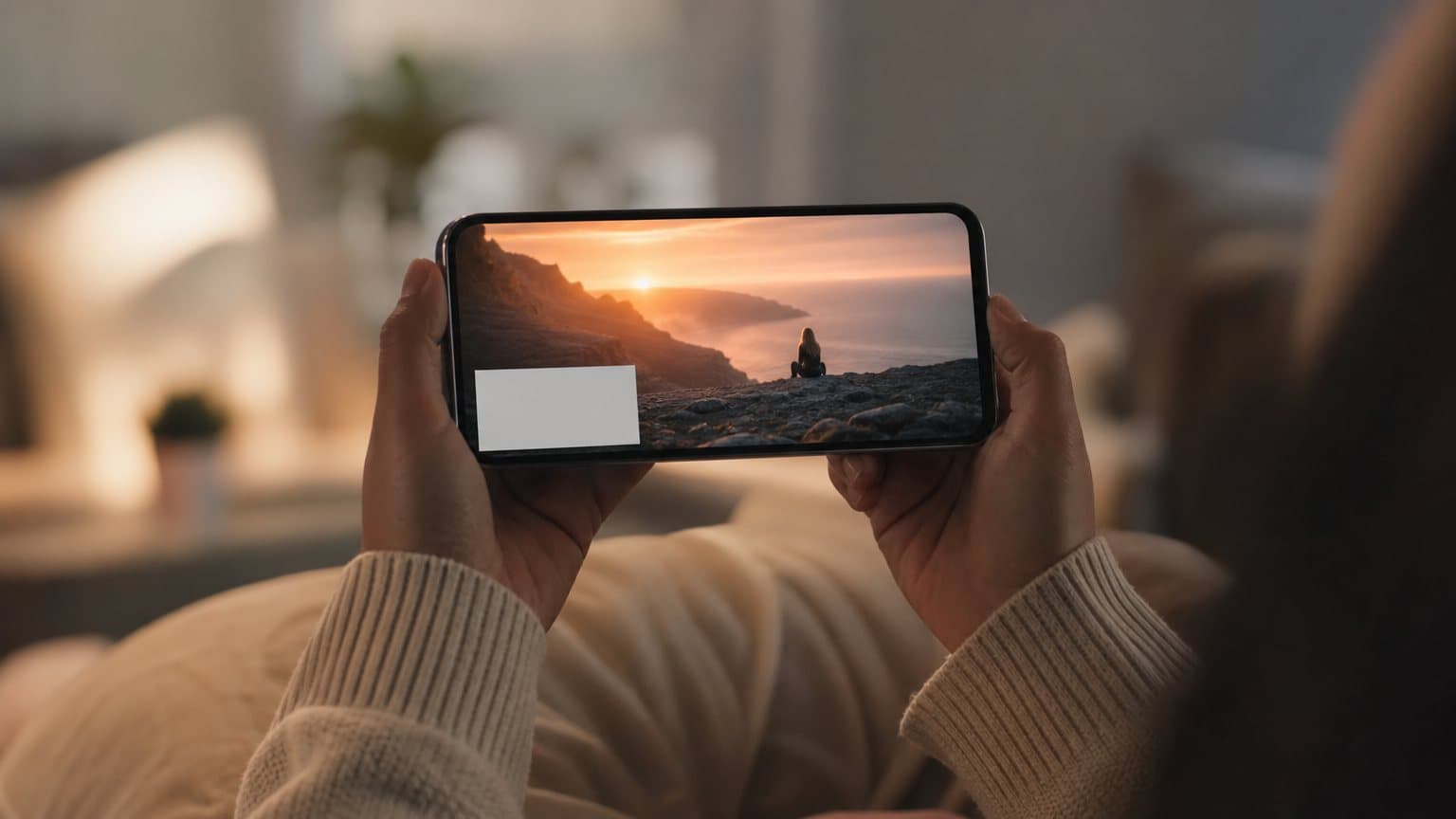
YouTube Image Ads During Horizontal Mobile Playback: One Sighting, No Confirmation, No Buy Path
One practitioner reported a static image ad overlaying part of the screen during landscape mobile YouTube playback, roughly every three minutes. Google has confirmed nothing, and there is no campaign type, buying path, or opt-in attached to it.
German Court Rules Against Suno: Who Is Liable for AI Music in Your Ads
On July 31, 2026 the Munich Regional Court I held that Suno infringed copyright in six well-known songs, and placed responsibility on Suno rather than on the people typing the prompts. Here is what the judgment decided, what it does not say, and what it changes for advertisers.
What is MiniMax H3 (Hailuo 3.0)? 2K video with native audio, explained for ad makers
MiniMax launched H3 on July 31, 2026: one model that generates up to 15 seconds of 2K video with native stereo sound. Here is what those specs actually change for anyone making short-form video ads, and what they do not.
MAI Image 2.5 Pro vs the Models Behind Your Ads: Eight Ratios, One Megapixel
Microsoft put MAI-Image-2.5 Pro into public preview in Microsoft Foundry on July 23, 2026, pitched at hero imagery and precise in-image text. Here is how its published specs line up against the image models already drawing ad creative, and which one to open when your ad has a headline, a legible label, or a product that has to look identical every time.
What Is Lyria 3.5? Google's Music Model, Now in the Gemini API
Lyria 3.5 is Google's music model: in Flow Music since July 29, GA in the Gemini API since Sept 3 at $0.08 per song, and in the Gemini app. What it does.

Microsoft Ads Adds Ad Preview Hub to Performance Max, With 30-Day Public Share Links
Microsoft's Ad preview hub now reaches Performance Max: preview assets across MSN, Bing Search and Outlook on computer and smartphone before launch, then share them on a link Microsoft documents as public, view-only and expiring after 30 days. The rollout is partial, not general availability.
AI Ad Generator Sued Over a Meme Template: What It Means for Ad Creative
An artist's copyright suit against an AI meme ad generator puts one rule in front of every marketer: an image you can legally share as a joke is not an image you can legally put in an ad.
Google Ads Target-Based Bidding Changes August 17: Reset Targets or Pay More Per Conversion
From August 17, 2026, budget-limited Target CPA and Target ROAS campaigns, including Shopping and Performance Max, will deliver at the target you set instead of beating it. Your budget cap still holds, so what moves is cost per conversion.
AI Video Ad Creative Goes Mainstream: Nearly Two-Thirds of Buyers Now Use GenAI
IAB's full 2026 video report, published July 14, says nearly two-in-three video ad buyers now use GenAI for digital video creative, up from half in 2025, with a third of their ad assets already AI-assisted.

Google Ads Editor 2.13 Adds a Field Where You Declare AI-Generated Creative
Version 2.13 puts a User attestation field on every image and video asset, editable in bulk. Here is what it does, what else shipped with AI Max for Shopping, and what changes if your ads are AI-made.
Google Ads Video Campaign Groups: One Frequency Goal Across All Your YouTube Campaigns
Google made video campaign groups globally available in Google Ads on July 13, 2026: one reach or frequency goal across multiple YouTube video campaigns, campaign budgets and creative untouched, unified reporting. Here is what it changes and what to do this week.
What Is Flux 3? Black Forest Labs' Multimodal Model, Explained for Ad Makers
Black Forest Labs announced FLUX 3 on July 23, 2026: one model that generates images and up to 20-second video with native audio, and extends to action prediction. It is gated early access, not a launch. Here is what it changes for ad makers, and when you can actually use it.
The New Top-Ranked Text-to-Speech Model Ships Two Voices. What Ad Voiceovers Actually Need
Alibaba's new speech model took the number one spot on Artificial Analysis' Speech Arena for provider voices at an Elo of 1,238, yet its published catalog is two system voices in Mandarin and English with Spanish still missing from the shipping language table, which is exactly the distance between winning a blind listening test and being usable for a Spanish-language ad.
Qwen Image 3 Promises Ten-Pixel Text in Ad Images, and Ships Zero Benchmarks
Alibaba says Qwen Image 3 renders legible text down to ten pixels from 4,500-token prompts. It published no benchmarks, no weights and no technical report. Here is what the model actually exposes to buyers, and what it changes for ad creative.
AI Music in Ads: What Sony's 30,117-Recording Suit Against Udio Means for Advertisers
Sony filed a second copyright suit against Udio on July 20, 2026 covering 30,117 recordings. Here is what the case does and does not settle for anyone dropping a generated track under a paid ad.
A Google AI Mode Ad Does Not Buy a Citation: 50,032 Ad-Eligible Keywords, Tested
In a study of 50,032 commercial keywords picked because they already trigger text ads, Google's AI Mode returned an ad on 29.45% of them and named the advertiser's domain among its cited sources on only 11.53%. Paid placement and citation are separate channels.
AI Ad Volume Is Cheap Now. Only 45% of Marketers Say Quality Improved
A July 2026 study by WARC and LIONS Advisory with TikTok surveyed 400 marketers: 88% say generative AI raised creative volume, only 45% say it raised quality, and 67% still brief the model with demographics.

AI Fashion Photography for Ecommerce: On-Model Product Imagery at Catalog Scale, Without a Studio
FASHN AI turns a flat product photo into on-model imagery and virtual try-on at catalog scale. Here is what it does, why on-model visuals decide DTC sales, and how AI product images pair with AI UGC video for a full ad.

Krea 2 Style Reference Holds One Brand Look Across Every Product Ad for $0.035
Krea 2's style-reference input, launched on fal, lets you feed the model one look and hold it consistent across a whole batch of product-ad images. Here is what it does, what it costs, and where it fits next to the image models already inside Novoads.
Meta Pulled Its AI Image Feature After Backlash: The Consent Lesson for Ad Makers
Meta launched an AI feature that remixed public Instagram accounts, then pulled it three days later after backlash. Here is what the walk-back teaches anyone using AI-generated imagery in ads about consent, likeness, and trust.
Reddit's Free-Form Ad Generator Writes the Copy. You Still Bring the Video.
Reddit put its free-form ad generator into beta on July 10, 2026, turning your website and community threads into a native Reddit ad draft. Here is what it does, and why the scroll-stopping video creative still has to come from you.
What Is Midjourney V8.2? A Preview-Only Image Upgrade, and What It Means for Ads
Midjourney V8.2 is a preview-stage upgrade to Midjourney's AI image generation, released through a --preview flag with no benchmark or pricing, and here is what it changes for making ad images.

Google Now Labels AI-Made Ads for Viewers: Does the Label Hurt Your Ads?
Google is adding a 'How this ad was made' panel that tells viewers if an ad was created or edited with AI. Here is where the label actually appears, why the panic is mostly overblown, and what advertisers should do.
Seedream 5.0 Pro Can Finally Put Readable Text Inside Your AI Product Images
ByteDance's new Seedream 5.0 Pro renders native text in more than ten languages and edits images in layers, and it is already selectable inside Novoads. Here is what actually shipped, what it costs, and where it fits for ad-makers.
Ideogram V4.0q Renders Accurate Text in Ad Images, and It's Now on fal
Ideogram released V4.0q, an open-weight image model built around accurate in-image text for logos, posters, and ad creatives. It is now on fal from $0.00375 per megapixel. Here is what reliable text-in-image changes for ad-makers.
Meta Muse Image for Advertisers: What the New AI Image Model Means for Your Ads
Meta just launched Muse Image, its first in-house AI image model, and it is rolling into Advantage+ creative. Here is what it does, why it matters for ad creative, and how to pair AI images with AI UGC video ads today.
MiniMax and Hailuo: What This AI Video Model Means for Your Ads
MiniMax roughly doubled on its Hong Kong IPO debut and its Hailuo video model competes hard on cost. Here is what MiniMax and Hailuo actually are, and where a raw video model fits the job of making UGC ads.
X's New Video Editor Adds Green Screen and Captions: What It Means for Advertisers
X (formerly Twitter) shipped an in-app video editor with green screen recording and multi-language captions on iOS. Here is what it changes for creators and advertisers, and where a native editor stops.
AI Ad Disclosure Rules for Meta, TikTok, and Google: 3 Rulebooks Compared for 2026
There is no single AI ad label rule in 2026. Meta, TikTok, and Google each define what counts as AI, who applies the label, and what happens if you skip it differently. Here is the cross-platform comparison and a per-platform checklist.
Native 4K AI Video Ads Are Here: Does 4K Move Social Ad Performance?
Native 4K and 30-second AI clips are arriving fast, but social feeds recompress every upload, so 4K only earns its cost in a few specific places and is wasted spend everywhere else.

Local Video Editing for Ads: Fix One Detail Without Re-Rendering the Whole Clip
Regional editing changes one part of an AI video ad, a product label, a background, a color, without regenerating the whole take. Here is what ByteDance is promising, what it means for fixing winning ads instead of rerolling them, and the limits.
Cloudflare's Pay-Per-Crawl Deadline: What September 15 Means for AI Citation Traffic
Cloudflare will block AI training and agent crawlers by default on ad-monetized pages starting September 15, 2026. Here is what the policy says, who feels it first, and how brands stay visible inside AI answers.

Competitors Are Buying Your Brand Name on Google. Here Is How to Defend It
Competitors intercept branded searches with keyword insertion, comparison landing pages, and brand-modifier bids, all inside Google's rules. Here is how to detect each tactic, the defense playbook in escalation order, and the math of defending versus ignoring.
A Diffusion Model for Speech-to-Text Just Went Open Source. Why Ad Captions Care
Interfaze open-sourced a speech-to-text model that transcribes by diffusion instead of word-by-word decoding: six languages from a tiny adapter on frozen models. Here is what the launch actually claims, why transcription quality sets the ceiling on auto-captions, and what captioning a video costs in Novoads today.

Google Ads Rules for AI-Generated Images: What Is Allowed in 2026
Google Ads allows AI-generated images but holds them to the same policies as any photo. Here are the 2026 rules: what Google's own tools will create, who gets access, how SynthID watermarking works, and what actually gets AI images disapproved.
Google Ads Creative Standards in 2026: What Changed for Video Ads
Google Ads video creative standards shifted in 2026: multi-format is the default, Google AI auto-generates and edits video assets, and coverage across 16:9, 1:1, and 9:16 now shapes delivery. Here is what changed and how to keep control of your ads.
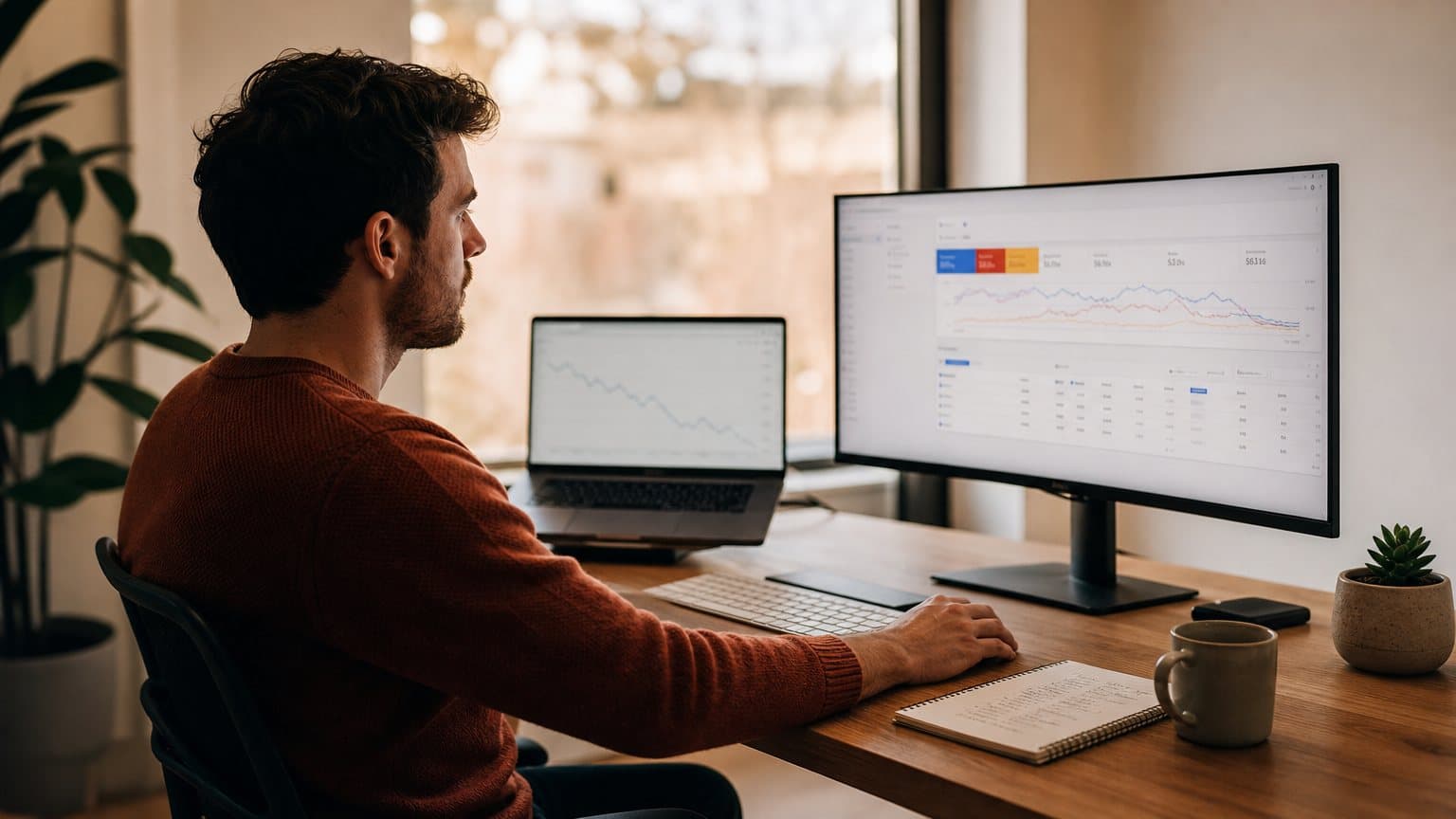
The Google Ads Tactic That Cut Invalid Clicks by 50% (and How to Copy It)
A Google Premier Partner agency cut a client's invalid clicks in half by setting 540 Google-defined audiences to Targeting. Here is what happened, the exact setup steps, and who should skip it.

Midjourney Is Building a Medical Scanner. What That Signals for AI Creative Tools
Midjourney released a behind-the-scenes video of the full-body ultrasound scanner it wants to put in spas. Here is what was actually shown, what remains unproven, and what the hardware pivot signals for ad makers who build on AI creative tools.
Reddit Made Split Testing Self-Serve: How to A/B Test Your AI UGC Ad Variants
Reddit opened Split Testing, its built-in A/B tool in Ads Manager, to every advertiser on July 1, 2026. Here is how to generate multiple UGC ad variants and run a clean split test to find the one that wins.
Gemini Omni Flash Extends Video to 40 Seconds: Its Preview Model Retires September 30
Google made Gemini Omni Flash generally available on August 27, 2026, adding scene extension to 40 seconds, first-and-last-frame control, and 360p-to-4K resolution. The old preview endpoint shuts down September 30. Here is what changes for ad-makers, and how the model already runs inside Novoads.

Google Video Reach and Video View Campaigns: What Their New Metrics Mean for Advertisers
Google has reshaped how Video Reach and Video View Campaigns report results on YouTube, giving advertisers a clearer line from budget to unique reach and TrueView views. Here is what changed and how to act on it.

Meta's New AI Ad Suite Promises 4x ROI: Why You Still Own the Creative
On June 24, 2026, Meta unveiled an end-to-end AI suite that creates, tests, and launches ads inside its own platform, with Meta reporting 4x ROI. Here is what it changes for ad makers, and why the creative you own still wins.
Seedance vs Veo for UGC Ads: Test 3x More Angles for the Same Budget
Novoads runs both Seedance 2.0 and Google Veo 3.1. Seedance is the cheaper, up-to-15-second workhorse for testing many ad angles; Veo is the 1080p hero cut you scale. Here is which to use, with real per-clip credit costs.
What Is LTX-2.3? Release Date, Paper, Specs and the LTX-2.5 Update
LTX-2.3 is Lightricks' open-weights audio-video model, released March 5, 2026. The paper, the specs, and what LTX-2.5 changed on Aug 11.
What Is Seedance 2.5? ByteDance's 30-Second AI Video Model
Seedance 2.5 is ByteDance's AI video model that generates a 30-second clip in a single pass with up to 50 reference inputs. Here is what it is, what it changes for ad makers, and how to run it now that it has shipped.
![OpenAI Announces Ads in ChatGPT: Everything You Need to Know [2026]](/_next/image?url=%2Fblog%2Fchatgpt-anuncios.jpg&w=3840&q=75)
OpenAI Announces Ads in ChatGPT: Everything You Need to Know [2026]
OpenAI will introduce ads in ChatGPT. Learn about the new ChatGPT Go plan, OpenAI's advertising principles, and what this means for users and advertisers.