Kalshi AI Ads: How the Veo 3 Spots Were Made, and the 2026 Pullback
How PJ Accetturo made Kalshi's 2025 AI spots, what 300 to 400 Veo 3.1 takes cost in Novoads, and what Kalshi said in 2026 about AI-generated people.

Mauricio Valdivia
·11 min
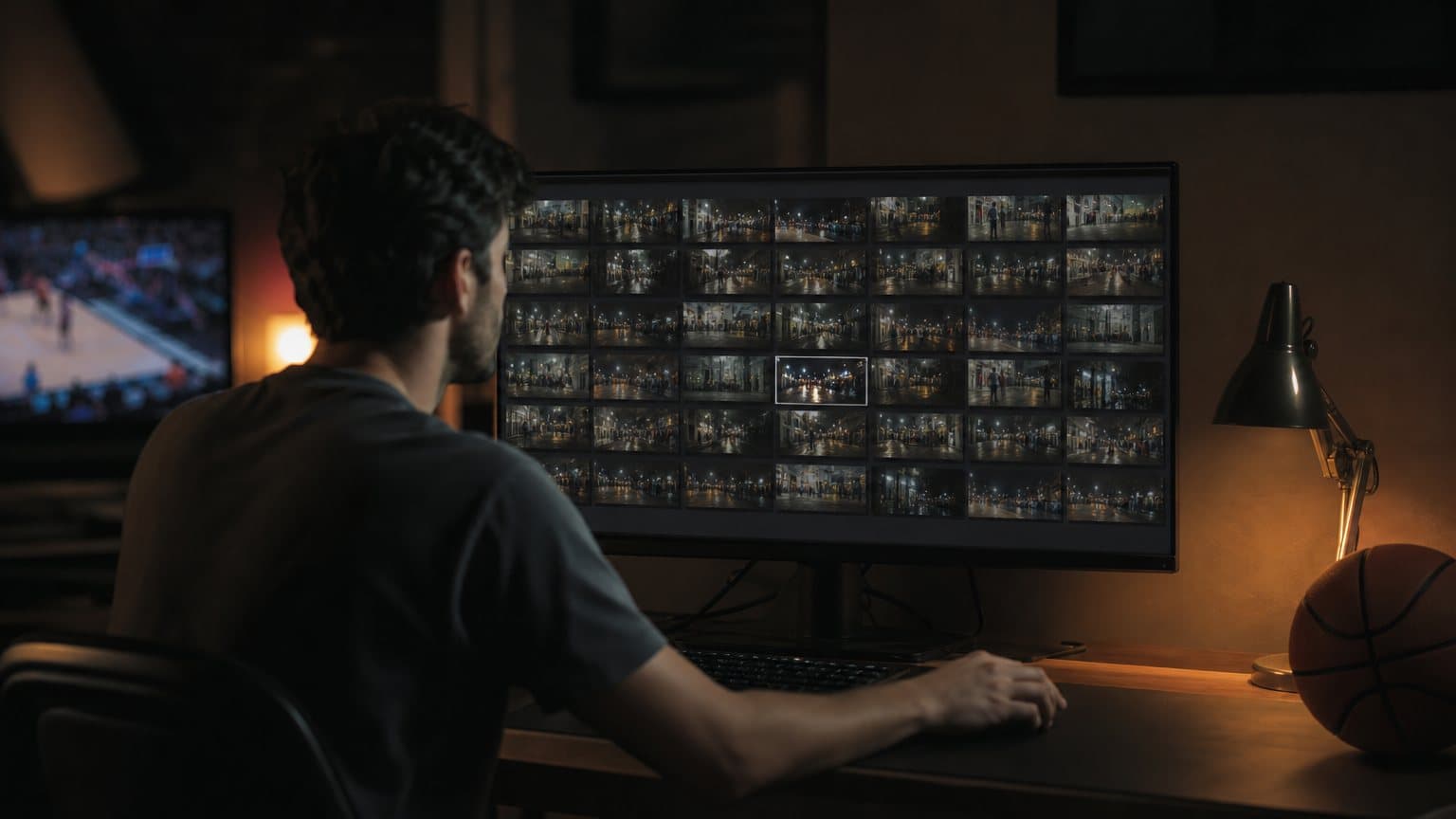
300 to 400 Takes for 15 Usable Clips
Kalshi's AI ads began with two spots PJ Accetturo made in 2025. The first was a 30-second NBA Finals ad in June, and a Kalshi spokesperson told Business Insider it was generated entirely using Veo 3. "Here's to the Underdogs" followed in July.
Then, in September 2026, YouTuber Elliot Choy found one of his own videos turned into a Kalshi ad, with AI used to change his race. Kalshi answered reporters twice. In a statement reported by Business Insider, a spokesperson said the company no longer uses AI-generated content that depicts people.
None of the top search results we could open on this topic puts a price on the 300 to 400 generations Accetturo says the NBA spot took. So we've priced that many takes on Google Veo 3.1, the Veo model we sell, and set the total next to Kalshi's own cost figure.
We read every page cited here on November 7, 2026, from Spain. Our prices come from our own price list, and the two clips in the cost section are our own Veo 3.1 renders. We didn't test Veo 3 or Google Flow for this post, and we didn't make a Kalshi-style ad.
How Accetturo Made the NBA Finals Spot
Kalshi posted the spot on X on June 11, 2025, with the caption "The world's gone mad" (Kalshi's post). Accetturo's own upload on Vimeo runs 30 seconds (his upload). Our look at four AI commercials already covers this spot, so here we'll stick to the steps Accetturo described the day it aired, in an X thread and in his newsletter.
Kalshi's brief, the script and the prompts
Accetturo says Kalshi asked him for a spot about people betting on various markets, the NBA Finals among them. Kalshi's team sent him bullet points listing the markets it wanted covered, and his newsletter names the NBA, eggs, hurricanes and aliens. He asked the team for a few lines of dialogue it wanted in the spot, then came up with "10 wild characters in unhinged situations" to say them.
He wrote the script with a chatbot (Gemini or ChatGPT), asking it for ideas, keeping the best ones and shaping them into a simple script. Then he had it turn every shot of that script into a detailed Veo 3 prompt.
His newsletter gives two batch sizes for that step. In the part on prompting, he writes, "I always tell it to return 5 prompts at a time," and adds that with any more than that, the quality starts to slip. Further down, in his process notes, he writes that it works best when it gives you back only 3 prompts at a time. He doesn't say which size he used for this spot.
Each prompt describes the scene as if Veo 3 has no context for the shot before or after it. So he re-describes the setting, the character and the tone every time, to keep the shots consistent. The example prompt in his newsletter opens with the camera and the place, "A handheld medium-wide shot, filmed like raw street footage on a crowded Miami strip at night."
Veo 3 in Google Flow, three windows at a time
He pasted the prompts into Veo 3 in Google Flow. He opened three separate windows, put a prompt in each and got the results back three to four minutes later. When a shot needed work, he took its prompt back to ChatGPT and dictated the changes he wanted.
His newsletter is candid about the problems he ran into.
- He writes that he doesn't know how to fix the random subtitles.
- He doesn't let ChatGPT describe music playing in the background, because then the music comes out mixed super loud.
- When he wants an accent, he repeats it in the prompt a couple of times, with "British accent" and "country accent" as his examples.
The edit and the upscale that didn't work
He cut the clips together in CapCut, FCPX or Premiere and added music where it was needed. He also adds compression and bass to Veo 3's audio, because he finds it "thin."
The picture was harder to fix. He asks his readers whether anyone has found good upscale settings for Veo 3 in 720p, which suggests his clips came out at 720p. His own tests in Topaz made the faces more garbled, so he covers that with a bit of film grain. Our guide to making AI video look real walks through fixes for camera, light, skin and sound.
How long it took and where it aired, source by source
| Who said it | Where | Making time | Takes |
|---|---|---|---|
| Accetturo | his X thread, June 11, 2025 | one person, 2 to 3 days | about 300 to 400 generations for 15 usable clips |
| Accetturo | his newsletter, June 11, 2025 | one person, two days | around 300 to 400 generations for 15 usable clips |
| Kalshi's spokesperson | Business Insider, June 13, 2025 | idea to live ad in three days | Accetturo's 300 to 400 generations for 15 usable clips |
| Kalshi | its newsletter, June 16, 2025 | "a matter of days" | not given |
NPR cites the same count. Each source describes the first airing in its own words.
- NPR says the ad debuted in the YouTube TV stream of Game 3 of the NBA Finals on June 11.
- Business Insider says it aired Wednesday during Game 3.
- Kalshi's newsletter says the company unveiled it during Game 3 of the OKC vs. Indiana series.
- Accetturo wrote in his newsletter that it had aired on TV just a few minutes earlier.
Kalshi's spokesperson also told Business Insider the ad was on track to finish with 20 million impressions across mediums. That's Kalshi's own count.
The Second Spot, Here's to the Underdogs
Kalshi posted its second AI spot on X on July 10, 2025, with the line "History was made by the underdogs." (Kalshi's post). Accetturo's own upload calls it "Kalshi - Defy the Odds" (his upload).
What Accetturo and Kalshi said about making it
The same day, Accetturo wrote on X that his team had worked with one of the best directors in the world on the new ad and that they'd made it in one week. That post doesn't name the director, and we couldn't open the rest of his July thread.
His July 14 newsletter adds a little more.
- He writes that exporting Veo 3 clips as GIFs helped his team show Kalshi's team the vision.
- He shared the active shotlist they used while building the ad, a Google doc titled "Kalshi - Defy The Odds - Script," and says it changed a bit from the original concept.
Kalshi's newsletter from the same day calls the ad round two after its first AI-made commercial. It says the video was made in just one week at 1% the cost of a typical ad.
Neither Accetturo nor Kalshi gives a take count or a dollar figure for this spot. In the July pages we could read, the GIF line is the only mention of Veo 3 for this ad, so neither of them says every shot in the final cut came from Veo 3.
Its length and the view counts
Accetturo's upload of the second spot runs 46 seconds. The view counts around both spots are Kalshi's and Accetturo's own figures, and both are for the first one. Kalshi's July newsletter says its first AI-made commercial racked up over 100 million views. Accetturo's July post on X says the previous one hit 100M views. Neither gives a count for the Underdogs ad.
What 300 to 400 Takes Cost on Veo 3.1 in Novoads
Prices as of November 7, 2026. We can't price Kalshi's spot, and we don't sell Veo 3, the model it was made with. But we can price the same number of takes on the Veo model we do sell.
One take is one 72-credit clip
A Google Veo 3.1 clip costs 72 credits in Novoads. The price doesn't change with the length or resolution you pick, and sound is included. On Plus, a credit works out to 4.9 cents, so one take costs $3.53. On Starter, it's 7.5 cents a credit, which makes a take $5.40.
The first strip below is one of our own Veo 3.1 takes, a woman in a kitchen saying one line to the camera. You'll find its prompt in our Veo 3.1 prompt guide.
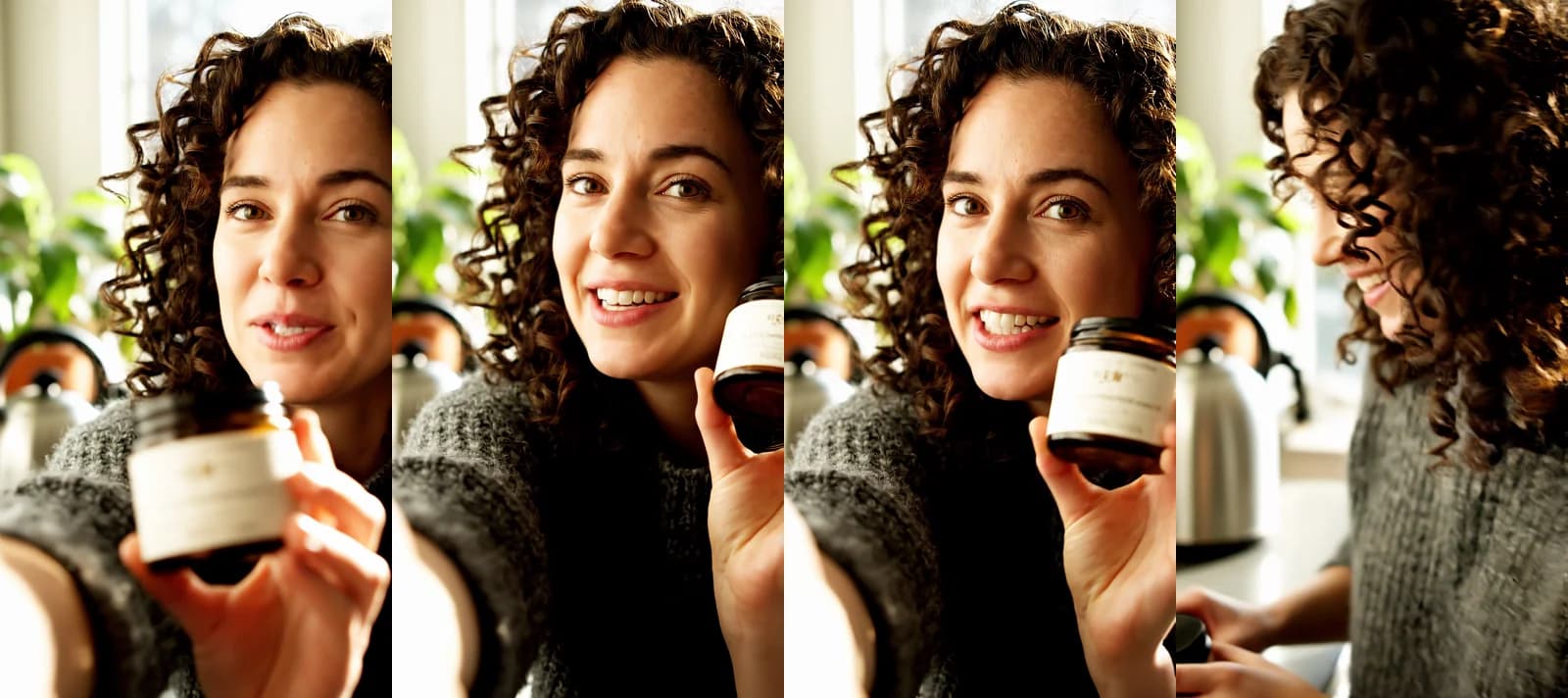
Made in Novoads with Google Veo 3.1 · one 8-second 9:16 take at 1080p with sound, 72 credits, made 2026-11-06 and ready within 4 min 34 s. She says the line we wrote, word for word, with no subtitles or other words on screen, and we kept the first result.
That prompt asked for no subtitles, and none showed up. It's a single take on Veo 3.1, though, so it can't show a fix for the random subtitles Accetturo got from Veo 3.
The second strip is a short product shot at the lower resolution, and it cost the same 72 credits.
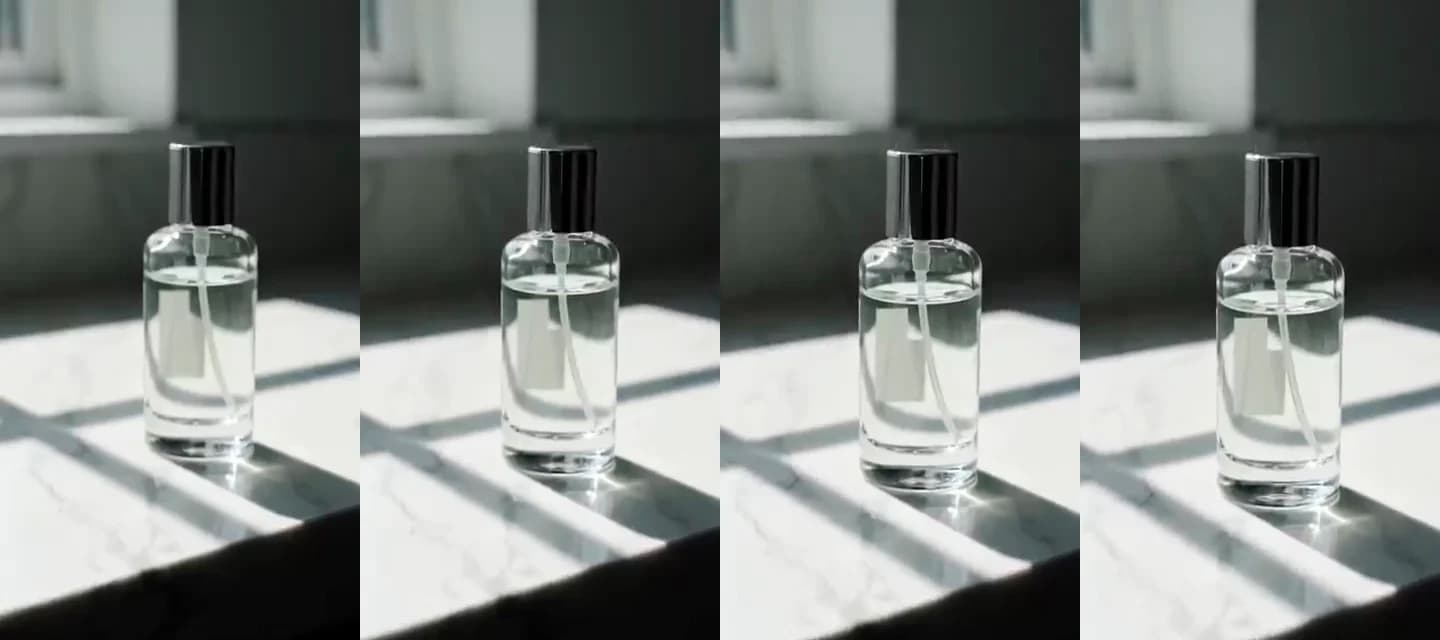
Made in Novoads with Google Veo 3.1 · a 4-second 9:16 product shot at 720p from the one-line prompt "A glass skincare bottle on a marble counter, slow push-in, soft morning light", 72 credits, made 2026-09-28 in 77 seconds, with no made-up text on the label.
The bill for 300 to 400 takes
We counted each of Accetturo's generations as one 72-credit clip. That's our assumption, since he didn't say how many clips each generation returned.
| Takes | Credits | At the Plus rate | At the Starter rate |
|---|---|---|---|
| 1 | 72 | $3.53 | $5.40 |
| 15, the usable clips | 1,080 | $52.92 | $81.00 |
| 300 | 21,600 | $1,058.40 | $1,620.00 |
| 400 | 28,800 | $1,411.20 | $2,160.00 |
Most of that money goes to takes that never made the cut.
- The 285 to 385 takes that weren't usable come to 20,520 to 27,720 credits.
- At the Plus rate, that's about $1,005 to $1,358, or 95 to 96 percent of the bill.
- Each usable clip took 20 to 27 takes, which works out to about $71 to $94 at the Plus rate.
- A month of Plus covers 13 Veo 3.1 clips.
- So 300 to 400 takes add up to about 22 to 29 months of Plus credits.
- Our largest plan, Ultra 9,000, comes with 9,000 credits a month, which is short of the 21,600 the low end needs.
How it compares with Kalshi's $2,000
Kalshi gave its cost figure three times.
- Kalshi's spokesperson told Business Insider the ad cost roughly $2,000 to make.
- Kalshi's own newsletter said the 100% AI-generated ad cost only $2,000.
- Kalshi media representative Jack Such put it more narrowly to NPR, saying the actual cost of prompting the AI was under $2,000.
NPR reports that Such declined to disclose Accetturo's fee and points out that media time (the price marketers pay to get the ad in front of viewers) is a separate cost as well.
So the $2,000 covers the prompting and leaves out the maker's fee and the media time. Kalshi also told Business Insider it turned to AI after getting quotes from production companies in the six- or seven-figure range, with timelines that didn't fit its needs. And Accetturo told the same outlet he was paid very well for the project.
At the Plus rate, our total for 300 to 400 Veo 3.1 takes comes in under that $2,000. At the Starter rate, the low end is $1,620 for 300 takes. The high end is $2,160 for 400, just over Kalshi's figure. We're setting a count of takes against a prompting bill, on two different models.
Accetturo's June 2025 newsletter gives a much lower unit price, with Veo 3 Fast Mode then at 20 cents per generation. That's far below what a Veo 3.1 take costs in Novoads, but it's for a different model and mode. At that rate, 300 to 400 generations come to $60 to $80. He didn't say which mode the spot used, though, so that's only our arithmetic on his figure, and it doesn't tell you what the spot cost.
Why this is only an estimate
Four things make these numbers an estimate.
- Veo 3.1 isn't Veo 3. Accetturo made the spot on Veo 3 in Google Flow, and we don't sell Veo 3, so our price per take is for a different model.
- We counted one generation as one clip, and the bill scales with the number of clips.
- His clips were probably 720p, going by his upscale question. Our Veo 3.1 price is the same at 720p and 1080p, so the resolution doesn't change the bill here.
- Our strips are single takes, so they can't give a keep rate. The ratio of 15 out of 300 to 400 is Accetturo's alone.
What Kalshi Said About AI Ads in 2026
What Kalshi said after the first spot
In June 2025, a Kalshi spokesperson told Business Insider, "Given the success of this first ad, we are absolutely planning on doing more with AI." Jack Such told NPR the same month that the company wants to use AI in future advertising campaigns, and that "we will not completely abandon more traditional forms."
Kalshi's celebrity spots
The 2026 Kalshi spots we read about starred famous people.
- On June 3, 2026, Kalshi released a commercial starring NBA champion and Kalshi investor Giannis Antetokounmpo. Kalshi's announcement calls it a 60-second spot for Game 1 of the NBA Finals. It also says the ad went from initial concept to final production in under thirty days.
- On July 14, 2026, Kalshi released a commercial starring J Balvin. Its announcement says the spot builds on earlier celebrity-driven campaigns featuring Bryson DeChambeau, Timothée Chalamet and Giannis Antetokounmpo.
- On September 9, 2026, Kalshi posted a Pete Sampras spot on X.
On September 24, 2026, Futurism wrote that Kalshi had been hiring A-listers including Timothée Chalamet and Oscar-winning cinematographers. The piece quotes Keaton Inglis, Kalshi's head of growth, from an Ad Age interview earlier that month. We couldn't read Ad Age's story, so these are Inglis's words as Futurism quotes them, "I saw pretty much every brand under the sun use AI," and "I transitioned us, going from being a leader in AI to as human… as possible going forward."
The ad made from Elliot Choy's video
On September 23, 2026, YouTuber Elliot Choy posted on X that Kalshi "thought they should steal my video, turn me into a white dude, and run it as an ad" (Choy's post). Futurism says he was served the ad on YouTube and that his original was first uploaded in September 2025. On his channel, the original is titled "Moving into my new NYC apartment (alone)."
The same day, NPR correspondent Bobby Allyn posted that he'd confirmed the video is real, a clip that used AI to change the creator's race and was then turned into a Kalshi ad.
Kalshi's two answers, a day apart
Allyn's post carried the first answer. "A Kalshi rep says the ad is old and that they no longer use AI-generated ads," he wrote.
Business Insider's Lucia Moses reported the second on September 24. In a statement, a Kalshi spokesperson said the ad was about four months old and had been made by an agency that supplied the video. The spokesperson also said Kalshi no longer uses AI-generated content that depicts people and is reviewing its relationship with the agency, which the spokesperson declined to name.
The two wordings don't match.
| Kalshi's answer | Allyn's post on X | Business Insider's report |
|---|---|---|
| Date | September 23, 2026 | September 24, 2026 |
| Reporter | Bobby Allyn, NPR correspondent | Lucia Moses |
| How old Kalshi says the ad is | old | about four months |
| What Kalshi no longer uses | AI-generated ads | AI-generated content that depicts people |
Business Insider's version covers AI-generated content that depicts people, and Allyn's covers AI-generated ads. Both are Kalshi's account as a reporter relayed it, and neither report checks it against the ads Kalshi has run since. The four-month figure is Kalshi's word too.
Protos and Futurism push back
On September 24, Protos repeated Allyn's version of Kalshi's answer and pushed back on Kalshi's claim that the ad was old. It reported that the ad was promoted on YouTube that same week, where Choy spotted it, and that Kalshi didn't elaborate beyond what it told Allyn. Futurism held Inglis's promise up against the race-swapping ads being pushed to people on social media and wrote that the promise feels "mightily disingenuous."
Planning an AI Spot That Needs Hundreds of Takes
If you're planning an AI ad around Accetturo's numbers, budget for the takes you won't use. His 15 keepers came out of 300 to 400 generations, and at our Veo 3.1 price, the takes that weren't usable are most of the money.
| Plan | Price | Credits a month | Veo 3.1 clips a month |
|---|---|---|---|
| Starter | $15 a month, monthly only | 200 | 2 |
| Plus | $49 a month, or $39 a month billed annually | 1,000 | 13 |
| Ultra 3,000 | $129 a month, or $99 a month billed annually | 3,000 | 41 |
A 300-take run needs more than a month's credits on any of our plans. You'll find the prices and what each plan includes on our pricing page.
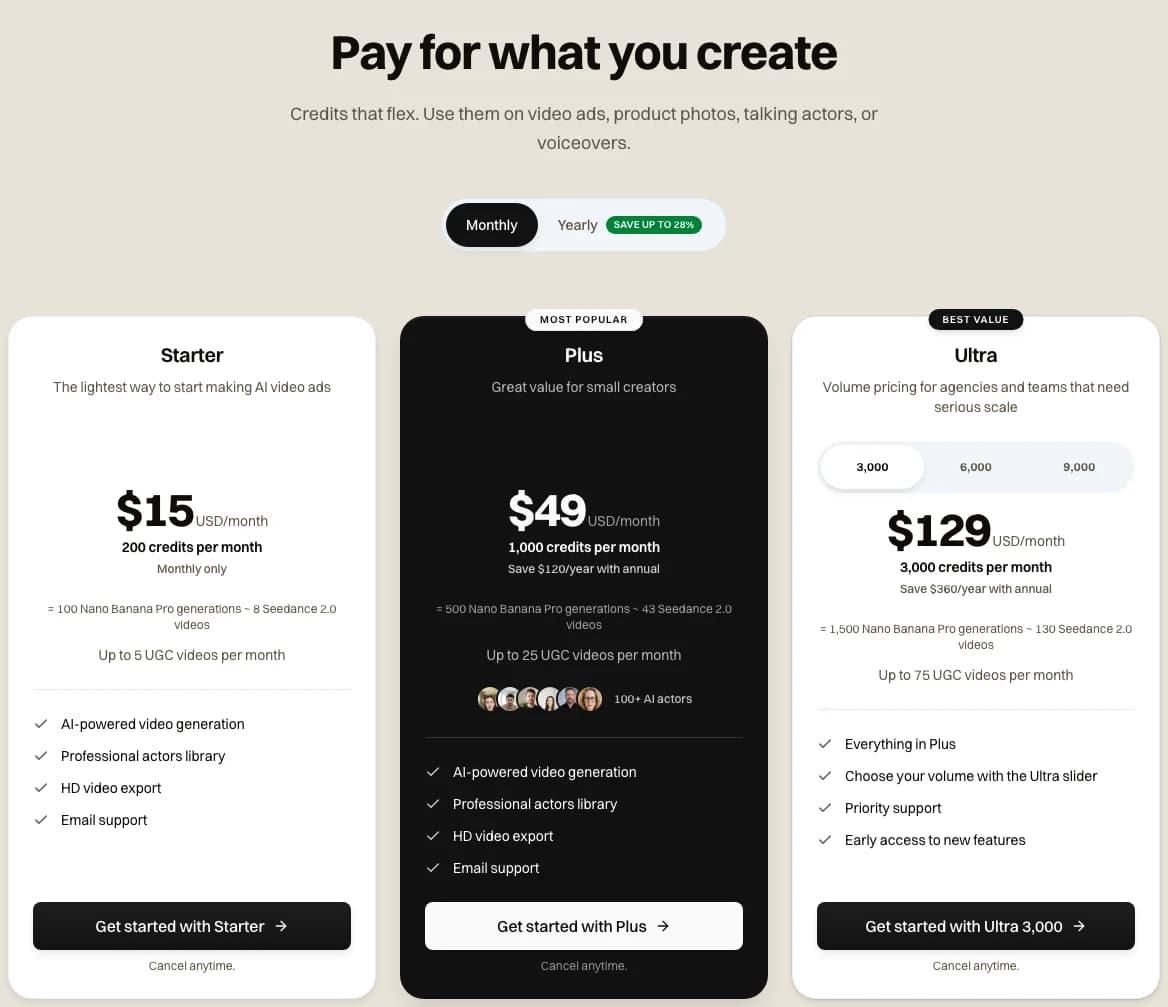
Our pricing page with monthly billing selected, captured 2026-11-07. Starter is $15 for 200 credits a month. Plus is $49 for 1,000. Ultra starts at $129 for 3,000.
Novoads makes the clips, and plans are paid from the first month. You place the ad yourself, in each platform's own ads tools.
Count your takes in credits first
Every Veo 3.1 clip in Novoads is 72 credits, whatever its length or resolution, so a plan's credits tell you how many takes a month you get.
See plansAccetturo added a warning of his own in June 2025. He wrote that just because the spot was cheap doesn't mean anyone can do it this quickly or effectively.
Frequently Asked Questions
Does Kalshi still use AI-generated ads?
Kalshi says it no longer uses AI-generated content that depicts people. That's from a Kalshi spokesperson's statement, reported by Business Insider on September 24, 2026. The day before, NPR correspondent Bobby Allyn posted that a Kalshi rep said they no longer use AI-generated ads, which is worded more broadly. Both are Kalshi's word as reporters relayed it. But Protos reported that the ad in question was promoted on YouTube that same week.
Key Takeaways
- Kalshi's first AI-made commercial was a 30-second NBA Finals spot that aired in June 2025. PJ Accetturo made it, and a Kalshi spokesperson told Business Insider it was generated entirely using Veo 3.
- Accetturo says the spot took about 300 to 400 generations to get 15 usable clips. Kalshi told NPR the prompting cost under $2,000 but wouldn't disclose his fee.
- In Novoads, one take on Google Veo 3.1 costs 72 credits. At the Plus rate, 300 to 400 takes come to about $1,060 to $1,410, and most of that pays for takes that weren't usable. It's an estimate, and it uses a different model than Kalshi's spot did.
- The second spot, Here's to the Underdogs, followed in July 2025, and Accetturo and Kalshi both say it was made in one week. His newsletter says his team exported Veo 3 clips as GIFs to show Kalshi the idea. Neither of them gives a take count or a dollar figure for it.
- In a statement reported by Business Insider in September 2026, a Kalshi spokesperson said the company no longer uses AI-generated content that depicts people. NPR's Bobby Allyn had posted a broader version of Kalshi's answer the day before. Both are Kalshi's own account of its ads.
Sources
- •Business Insider (Lucia Moses), September 24, 2026: Kalshi's statement on its AI ads
- •Business Insider, June 13, 2025: the prompts behind Kalshi's NBA Finals ad
- •NPR, June 23, 2025: Kalshi's AI-generated NBA Finals ad
- •Futurism, September 24, 2026: Kalshi and the race-swapped AI ad
- •Protos, September 24, 2026: Kalshi's AI ad and Elliot Choy