
AI video ads
Articles about AI video ads.
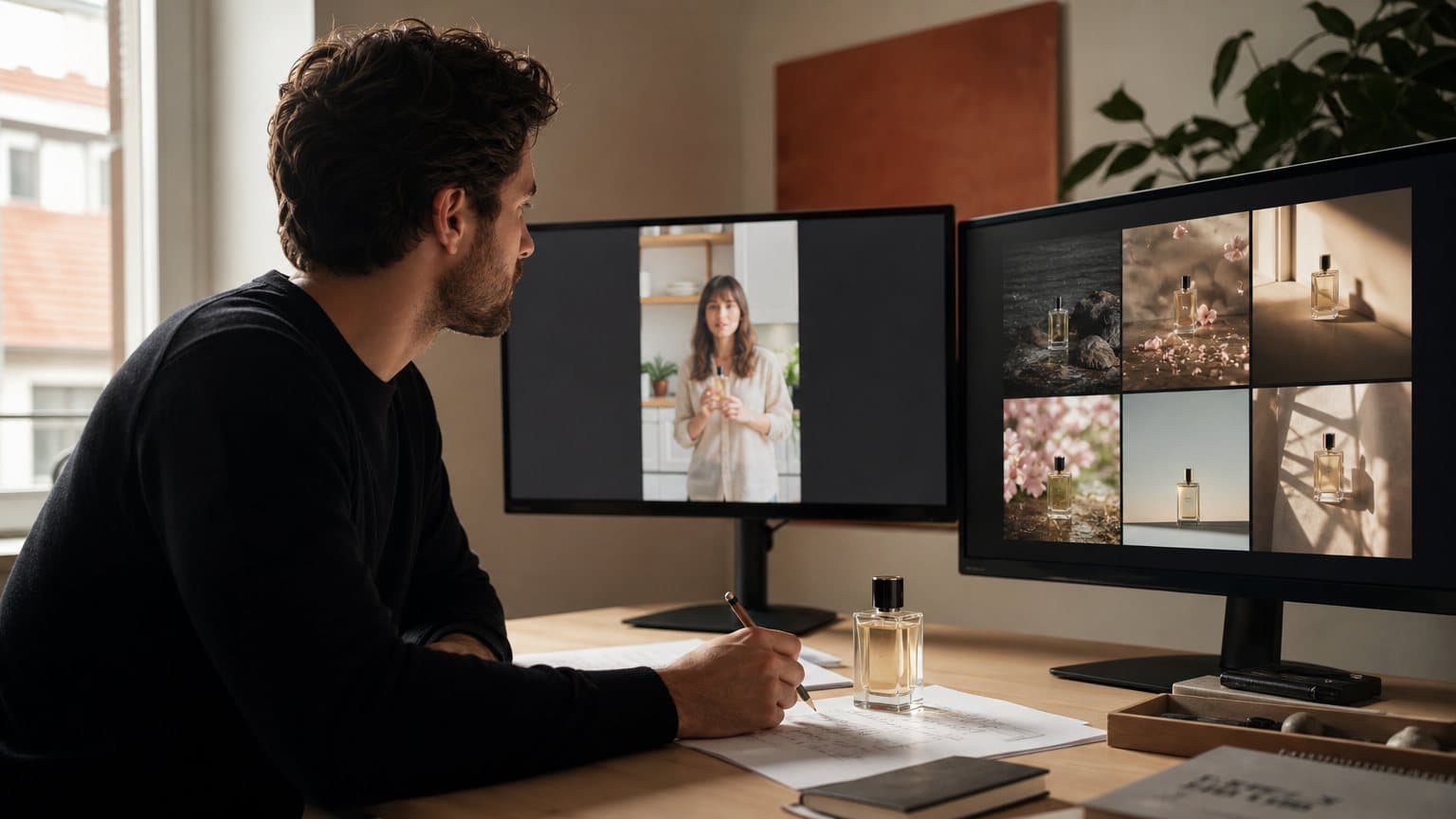
HeyGen vs Higgsfield for Ads: Talking-Avatar Video or a Multi-Model Studio
HeyGen builds an ad around a presenter who says your script and bills per minute of avatar. Higgsfield builds it around a shelf of generation models and bills per clip. Both now run Seedance 2.0. What each does for an ad team, what it costs as of September 17, 2026, and when to use which.

HeyGen vs InVideo for Video Ads: Avatars, an AI Editor and Whose Credits Last
HeyGen sells an avatar presenter: Creator is $29 a month billed monthly for 600 credits that roll over one more month. InVideo sells an agentic editor with stock footage and generative models: Starter is $20 a seat for 400 credits that reset. Formats, meters, rollover and two priced ad briefs compared from each vendor's own pages, as of September 17, 2026.
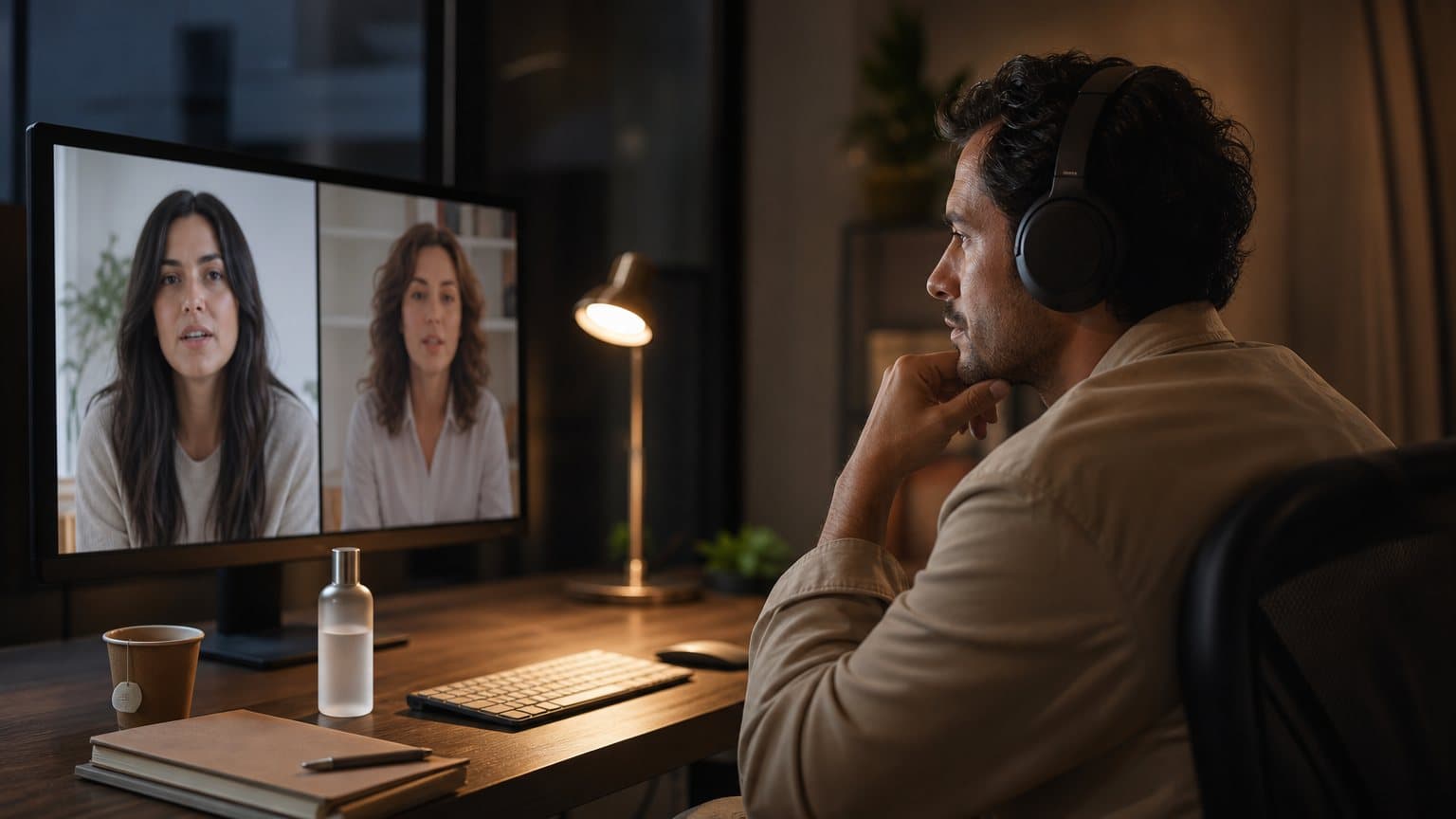
HeyGen vs Synthesia for Video Ads: Avatars, Languages and What $29 a Month Buys
HeyGen Creator and Synthesia Starter both cost $29 a month billed monthly, but one buys 600 credits priced by avatar model and the other buys 10 minutes of video. Avatars, vertical export, translation, rollover and plan limits compared from each vendor's own pages, as of September 17, 2026.

3D Animated Product Ads Without a Studio: One Still Image, One 15-Second Render
A stylized 3D animated product ad does not need an animation pipeline. Two generated stills decide the look and the staging, then one image-to-video call renders 15 seconds with the sound already in the file. Here is the route, the prompt rules that keep it from breaking, and what a finished spot costs.
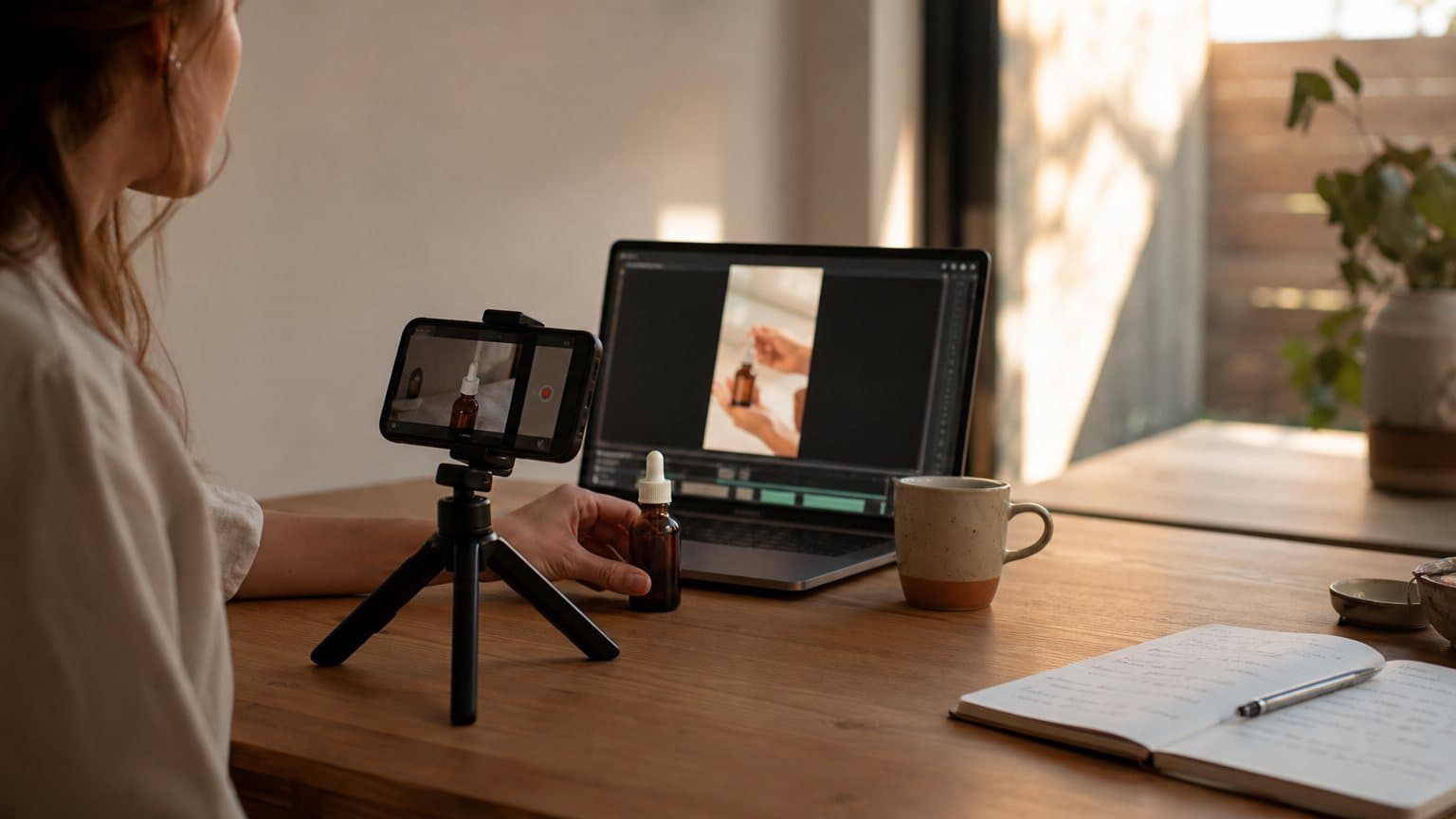
Social Media Video Production: The 7-Step Workflow and Where AI Collapses Four Steps
Social media video production runs on seven steps and six handoffs. Here is what each step costs in days, which four AI removes outright, and what a two-person team can ship once they are gone.
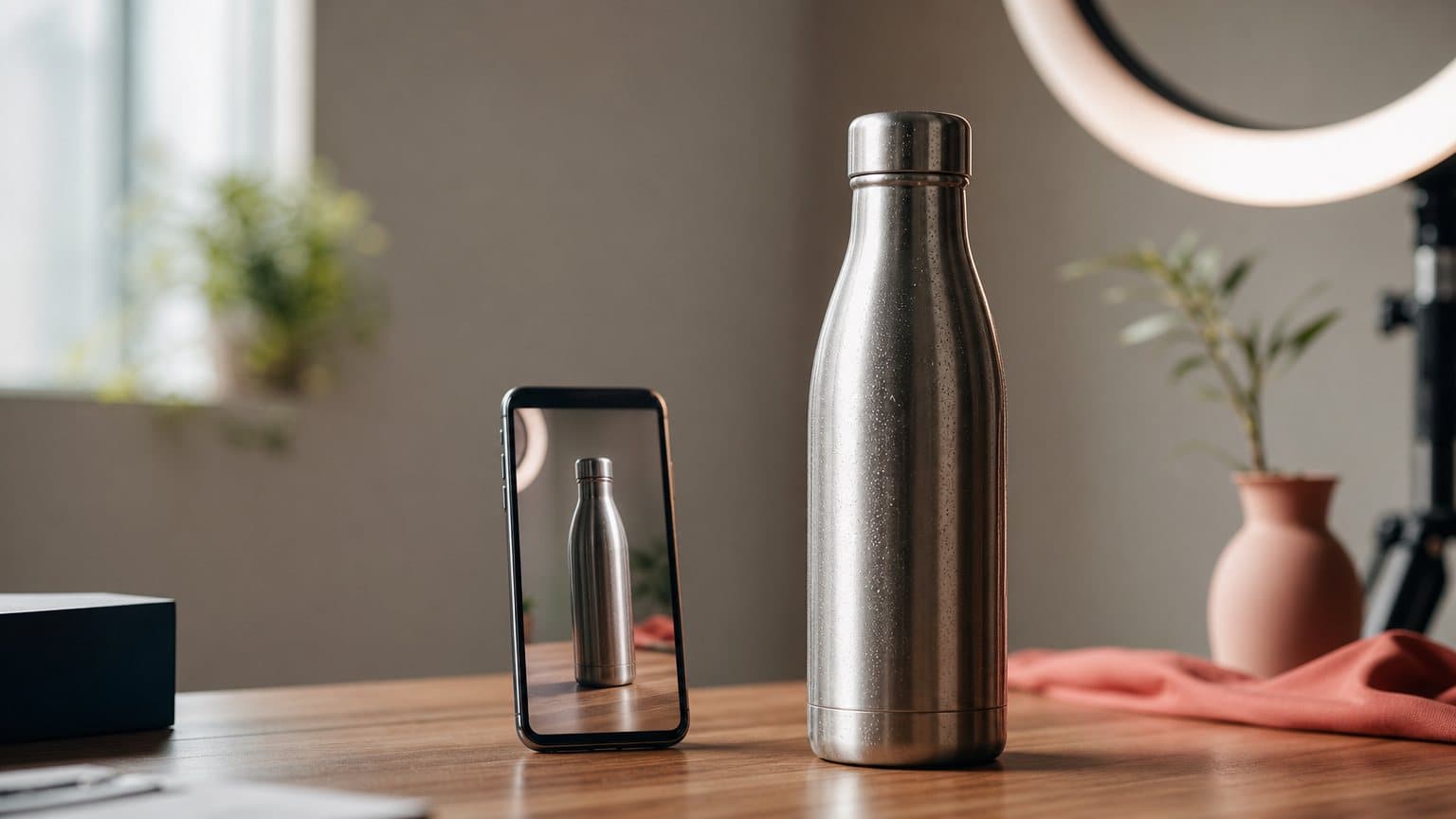
How to Make Product Videos With AI: One Photo to a Finished 15-Second Ad
To make product videos with AI, you turn one product photo into an ad image, animate it into a short vertical clip, then add voice and captions. Here is the exact workflow, the prompt tips, and how to get the product to look right on camera.

Sora 2 Leaves the API on September 24, 2026: 4 Video Models for Ad Teams
OpenAI's removal of the Videos API, sora-2 and sora-2-pro takes effect on September 24, 2026, with no replacement named. Here are the four AI video models ad creators are switching to and what each one is for.
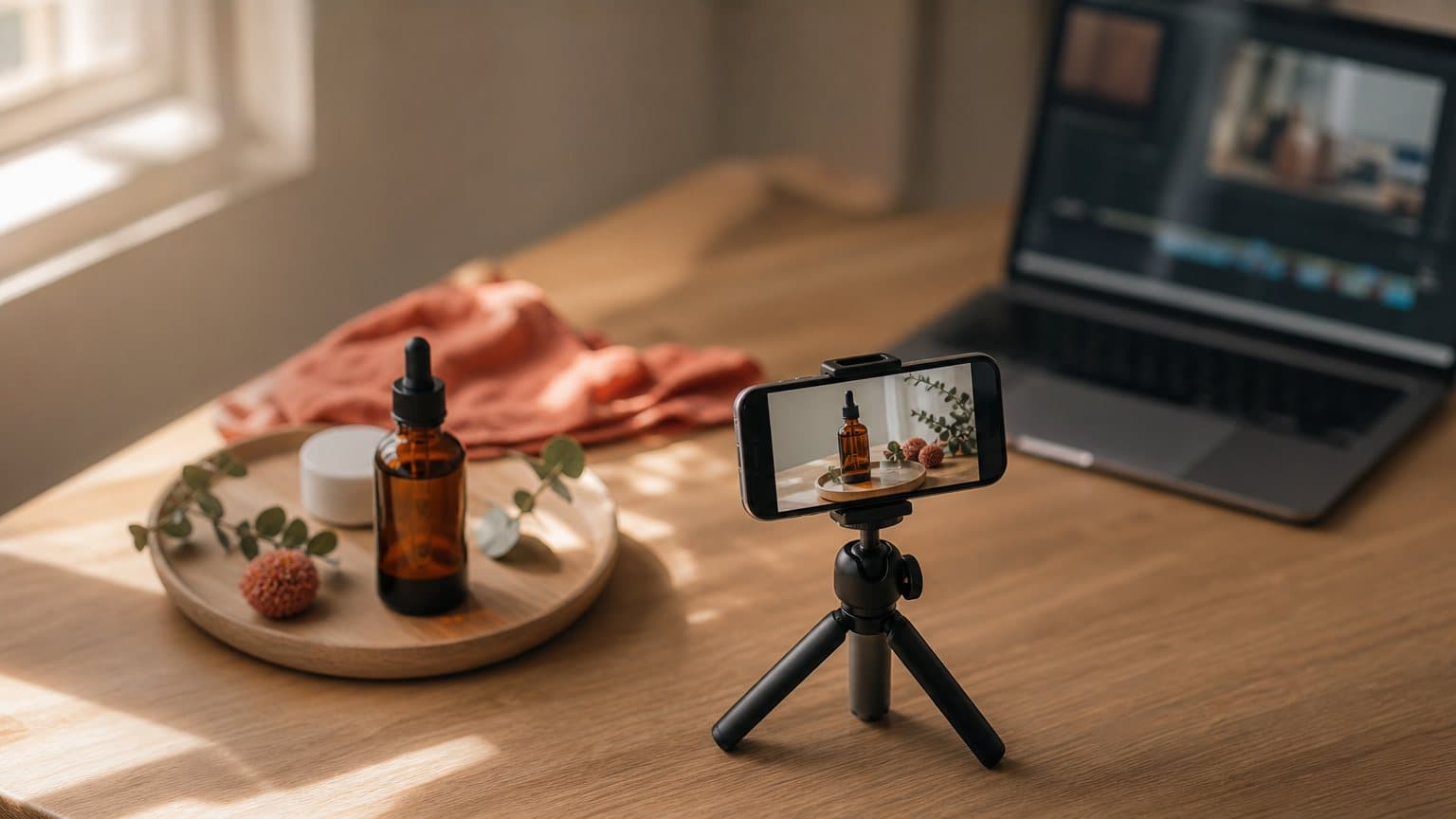
Faceless Video Ads: How to Make Them With AI (No Camera, No Actor)
A faceless video ad sells a product without a presenter: product b-roll, screen recordings, or AI-generated scenes carried by a voiceover and captions. Here are the three builds, when each one wins, and how to produce one with AI for about 10 credits.
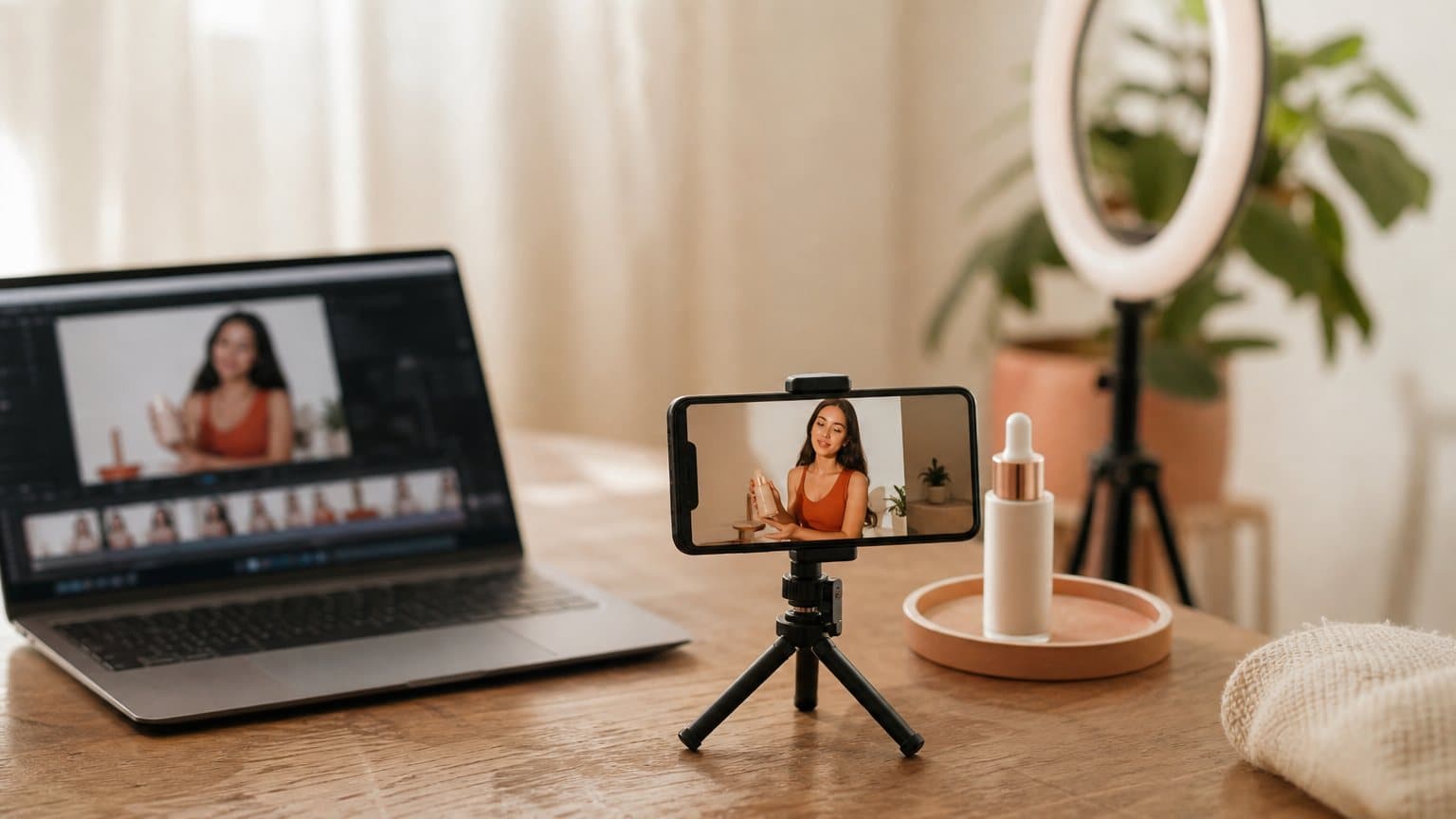
UGC AI: What It Is and How AI Generates UGC-Style Videos
UGC AI is the practice of generating UGC-style videos with AI: a synthetic actor performs a script instead of a person filming. Here is what the term means, how the generation pipeline works under the hood, the output types, and where it fits next to real UGC ads.

UGC-Style Ads: The Format That Outsells Polished Video, Made With AI in 4 Minutes
A UGC-style ad is a paid video built to look like organic, phone-shot content, and it beats polished brand ads on TikTok, Reels, and Meta because the feed rewards native. Here is what the format is, why it works, and how to make one with AI end to end.

How to Create UGC Ads with AI: The Copy-Paste Step-by-Step
Create UGC-style video ads with AI in one sitting: write a four-beat script, upload a product image, pick an actor that matches your buyer, and export a publishable ad. Here is the exact workflow.
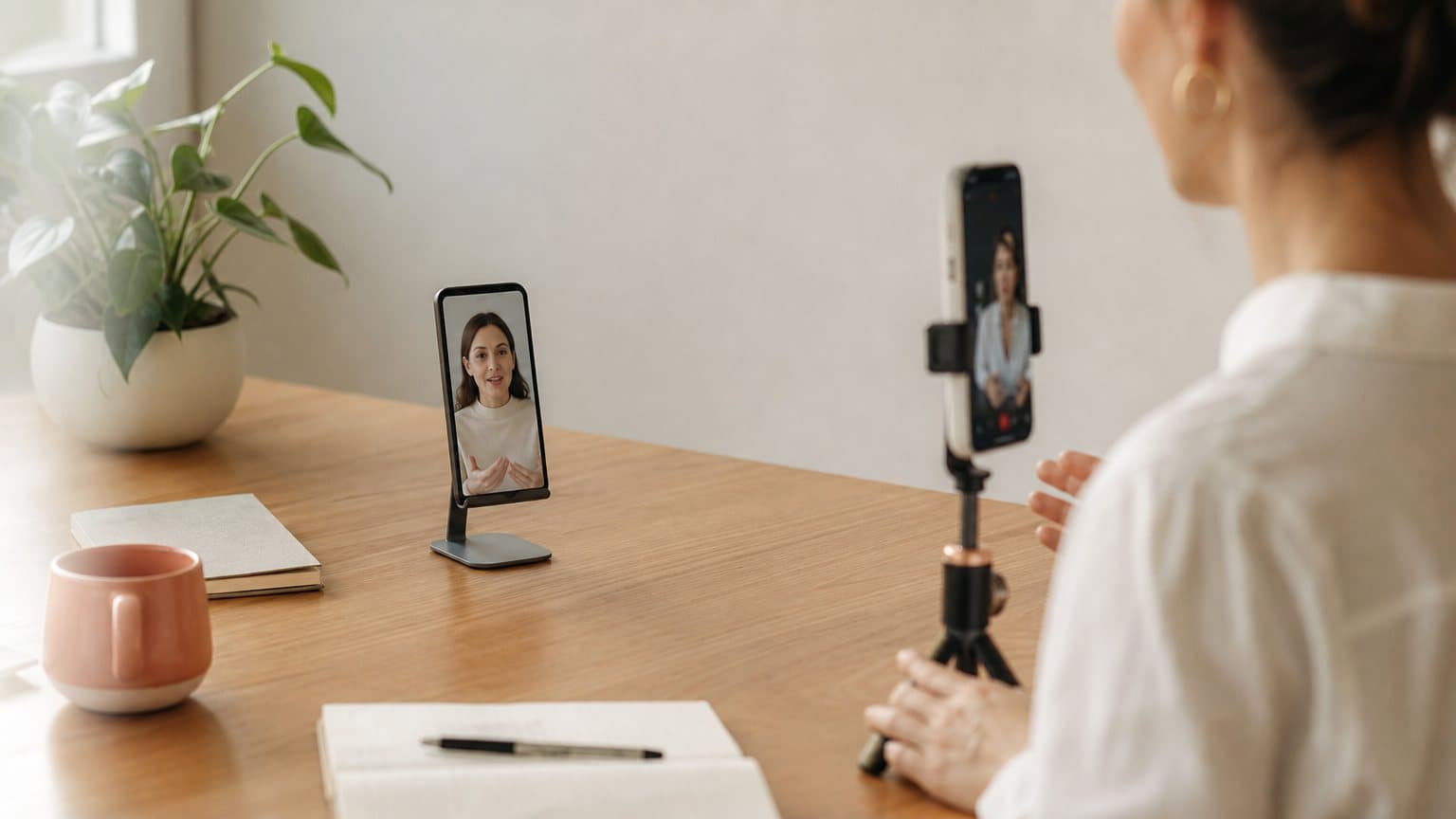
AI vs UGC Creators: What Each Is Best For in 2026
AI UGC and human UGC creators do different jobs. AI owns volume, speed, and testing; a human creator owns a specific face and lived experience. Here is the cost, quality, and how to choose.