Seedance 2.0 vs Sora 2 for Ads: A 2026 Retrospective After Sora's Removal
OpenAI's removal of Sora 2 from the API takes effect on September 24, 2026, so this head-to-head is now a record rather than a choice. Here is what each model was good at, and where Sora's half of the work goes now.

Mauricio Valdivia
·Updated ·9 min
One of these two models no longer exists
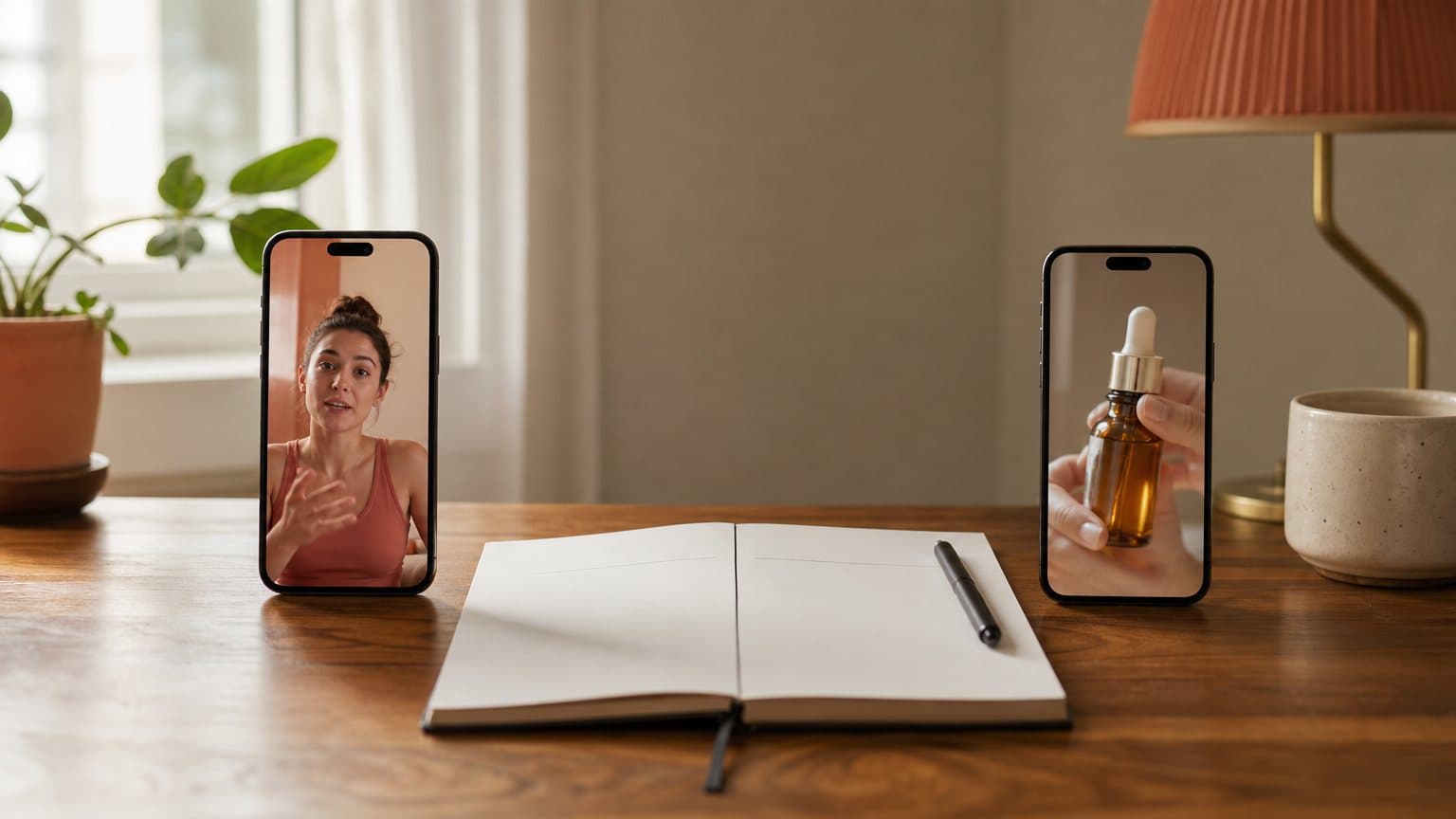
An e-commerce team storyboarding next week's ads usually has two very different spots on the whiteboard. One is a person looking into the camera and saying why the product works. The other is the product itself: hands, texture, a slow push-in, no talking. Same brand, same budget. Different machines.
Editor's note, September 2026: this post was published on July 3, 2026 as a live head-to-head. It is now a retrospective. OpenAI's deprecations page records that developers were notified on March 24, 2026 that the Videos API, sora-2 and sora-2-pro would be removed from the API on September 24, 2026, and no replacement model is named. Everything below about Seedance 2.0 is current. Everything about Sora 2 is written in the past tense, and the per-clip credit prices we used to quote for it have been removed rather than left standing as a price for something you cannot buy.
So the honest version of this comparison in late 2026 is not "which do I pick". It is: what was each model good at, what happened to the half that disappeared, and where that work goes now.
The short answer
Both models generated video with native sound from text or an image. The split was what each one was built to be great at, and only one of those two things is still purchasable.
Seedance 2.0 was, and is, for when the ad shows
Seedance 2.0 is built for the director's chair: multi-shot editing, director-level camera control, and single takes up to 15 seconds, priced by the second. If the creative depends on a controlled camera move, a scene change inside one clip, or a take longer than 12 seconds, this is still the model to reach for. Nothing about it changed in September.
Sora 2 was for when the ad talks
Sora 2 was OpenAI's flagship video and audio model, and its announcement led with synchronized dialogue and sound effects. If the creative depended on a person delivering lines or on ambient sound selling a mood, it was the strong pick. OpenAI's removal of it from the API takes effect on September 24, 2026.
| Dimension | Seedance 2.0 (current) | Sora 2 (API removal 2026-09-24) |
|---|---|---|
| Availability | Shipping | Removed from the API, no replacement named |
| Clip lengths | 4 to 15s, 1s steps | 4, 8, or 12s |
| Resolution | Up to 720p | 720p, 1080p on the Pro tier |
| Native audio | Yes | Yes, with lip-synced dialogue |
| Signature strength | Camera control, multi-shot | Synchronized speech, realism |
| Vertical 9:16 | Yes | Yes |
The rest of the post is why each row read that way, and what it means for the work now.
Two models, two pedigrees
Spec rows make models look interchangeable. Their origins explain why they were not: each one inherited the priorities of the lab that trained it.
Seedance 2.0, the director's toolkit
Seedance comes from ByteDance, the company whose entire business runs on short vertical video. The fal model page describes it as ByteDance's most advanced text-to-video model, with cinematic output, native audio, multi-shot editing, real-world physics, and director-level camera control. Those last two are the tell: this is a model built to be directed, not just prompted. You specify the shot, the move, and the cut, and it complies. It renders at up to 720p and prices by the second, from 4 to 15 seconds. Its successor, covered in our Seedance 2.5 explainer, shipped in August 2026 and takes the single take to 30 seconds.
Sora 2, the flagship that spoke
Sora 2 was what OpenAI called its flagship video and audio generation model, and the emphasis on audio was not decoration. The announcement's first feature was synchronized dialogue and sound effects, and it went on to describe sophisticated background soundscapes, speech, and sound effects with a high degree of realism. OpenAI also said the model excelled at realistic, cinematic, and anime styles, which is a fair one-line portrait of its bias: Sora 2 wanted to make something that felt like film. That pitch is why its removal is felt most on talking spots and least on product demos.
What they shared
Naming the overlap keeps you from drawing the wrong lesson from the retirement:
- Native audio shipped on both. Sound alone was never the tiebreaker; the kind of sound was.
- Multi-shot direction worked on both: Sora 2 followed instructions spanning multiple shots, and Seedance markets multi-shot editing inside one generation.
- Image-to-video worked on both, so a product photo could be the starting frame either way.
- Vertical 9:16 rendered on both, so neither locked you out of TikTok, Reels, or Shorts.
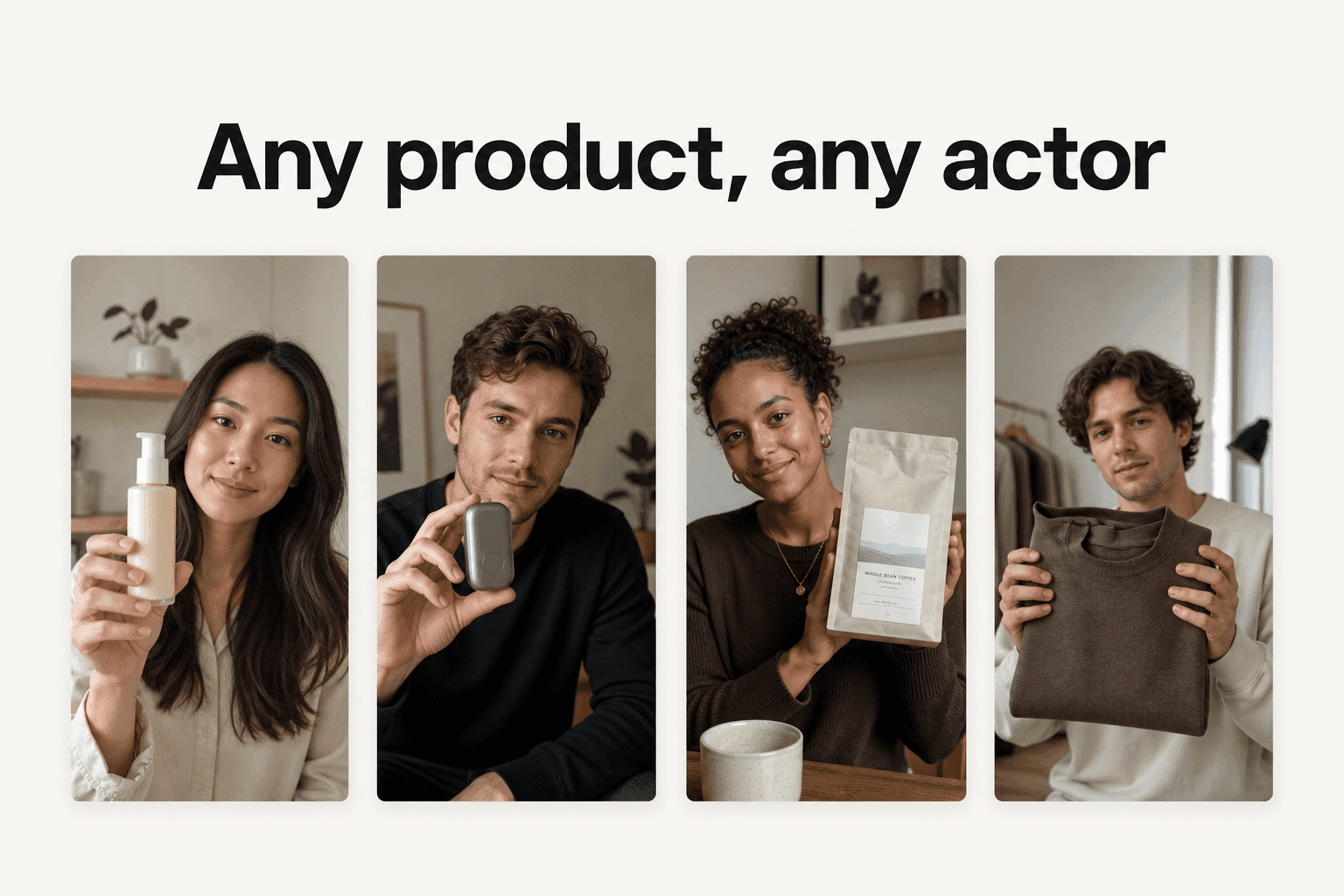
What Seedance 2.0 costs today
The Sora column of the old cost table is gone, because a price for a model you cannot call is not information. The Seedance column is unchanged, and these are the platform's own rates rather than estimates:
- Seedance 2.0: 3 credits for 5 seconds, 4.2 for 8, 5.8 for 12, 7 for 15. Every extra second adds 0.4 credits.
- Seedance 2.0 Mini: the same lengths at half the credits, so 1.5 credits for a 5-second clip.
A worked example: twelve hooks, one engine
Say you are testing 12 hook variations at 8 seconds each, the standard shape of a creative test. On Seedance 2.0 that batch is 12 clips at 4.2 credits, or 50.4 credits. On the Mini variant it is 25.2 credits, which is the cheapest honest way to find out which of twelve angles deserves a finish. The mechanics of what those 12 variations should each say is its own craft, covered in how to create UGC ads.
Where the money actually forks
One lever separates the bills, and it does not show up at 8 seconds:
- Length. Per-second pricing means a 13 or 14-second take costs exactly what it should, not a rounded-up tier. Past 15 seconds you move to Seedance 2.5 rather than stitching two clips.
Testing budgets should not touch the finishing tiers at all. Scaling budgets are where a premium model earns its number.
Audio: the gap Sora used to fill
Sound is where the two models stopped being twins, and it is the half of this comparison that the removal actually changed.
What synchronized dialogue bought an ad
Sora 2 generated speech that was lip-synced to the person on screen, inside the generation itself. For UGC-style advertising that was a structural advantage, because the workhorse format of the genre is a person talking to camera: the testimonial, the founder story, the "I tried this for a week" beat. When one model produced the performance and the voice together, the mouth matched the words without a separate lip-sync pass.
Where that job goes now
Two routes, and the choice is about how much of the performance you want a general model to invent:
- A general model with native audio. Google Veo 3.1 generates all audio natively and outputs in 1080p and 4K; Kling v3 Pro ships native audio with multilingual support and clips from 3 to 15 seconds. Both put sound and picture in one pass, which is the property that mattered.
- A dedicated talking-actor engine. For a straight spokesperson read this is usually better than any general text-to-video model, because you cast a specific actor and drive them from a script with real lip-sync, instead of hoping the model invents the right face twice in a row.
What Seedance's native audio covers
Seedance 2.0 generates native audio with every clip, and for most non-talking ad formats that is exactly enough: ambient room tone under a product demo, the tactile sounds of an unboxing, a music-adjacent bed under b-roll. What it does not center is the lip-synced monologue. You can pair a Seedance visual with a separately generated voiceover, which is how most AI b-roll workflows already operate, but that is an assembly step, not a single generation.
Control and length: the half that survived
After audio, the quieter differences are the ones that did not depend on OpenAI at all.
Seedance's levers: fifteen seconds and the camera
A native 15-second single take holds a complete ad beat: hook, demonstration, payoff, no cut. Combine that with director-level camera control and multi-shot editing, and Seedance behaves like a compliant camera operator: you can call a push-in, a cut to close-up, and a pull-back inside one generation. For product demos, that obedience is worth more than raw fidelity, because demo ads die on wrong framing more often than on soft pixels.
The ceiling no model moves
No model choice changes your placement math. A TikTok hook still has to land in the first three seconds, as our TikTok ads guide argues, and Seedance renders the vertical 9:16 frame that placement wants. The model decides how the clip is made, not whether those first three seconds work. That part is still the script's job.
How to prompt Seedance
What Seedance rewards, and it is different from how you would have written for a dialogue-first model:
- Shot calls, not vibes: name each shot and the cut between them ("open on a close-up of the jar, cut to hands applying").
- Camera verbs: push-in, orbit, pull-back. The director-level control only helps if you actually direct.
- A duration with intent: if the beat needs 13 seconds, ask for 13. You pay per second, so the length should match the storyboard, not a default.
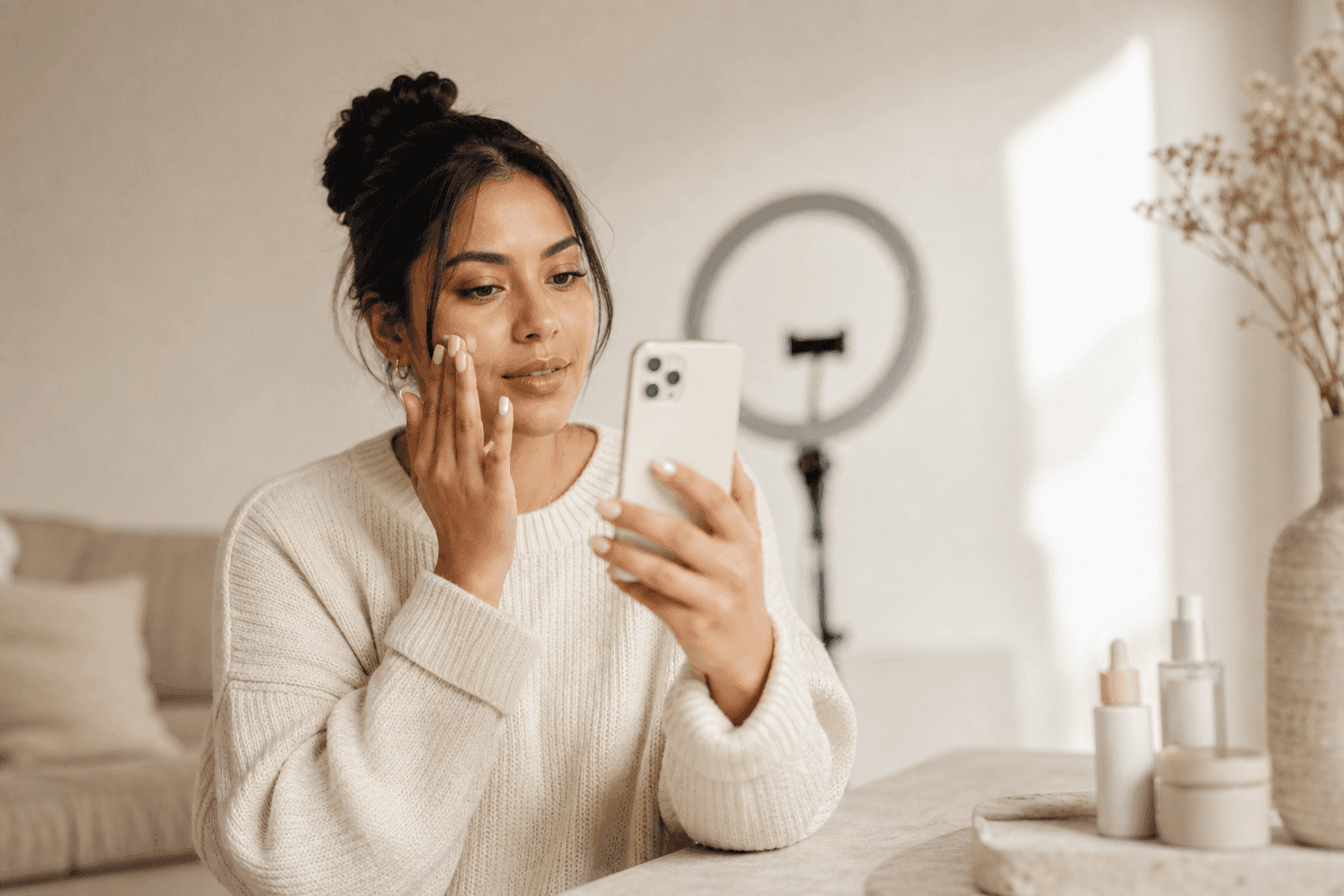
The verdict by ad job, updated
Comparisons earn their keep in verdicts, so here are three, one per ad job, rewritten for the models that exist. If your fork is Veo or Kling rather than the retired OpenAI line, the Veo head-to-head and the Kling comparison cover those directly.
Product demo and b-roll
The job: show the product working, no on-camera speaker, deliberate camera moves, often a longer continuous take. Seedance's 15-second ceiling, per-second pricing, and camera control map one-to-one onto this brief, and none of that moved in September. Edge: Seedance 2.0, unchanged.
Talking, UGC-style spots
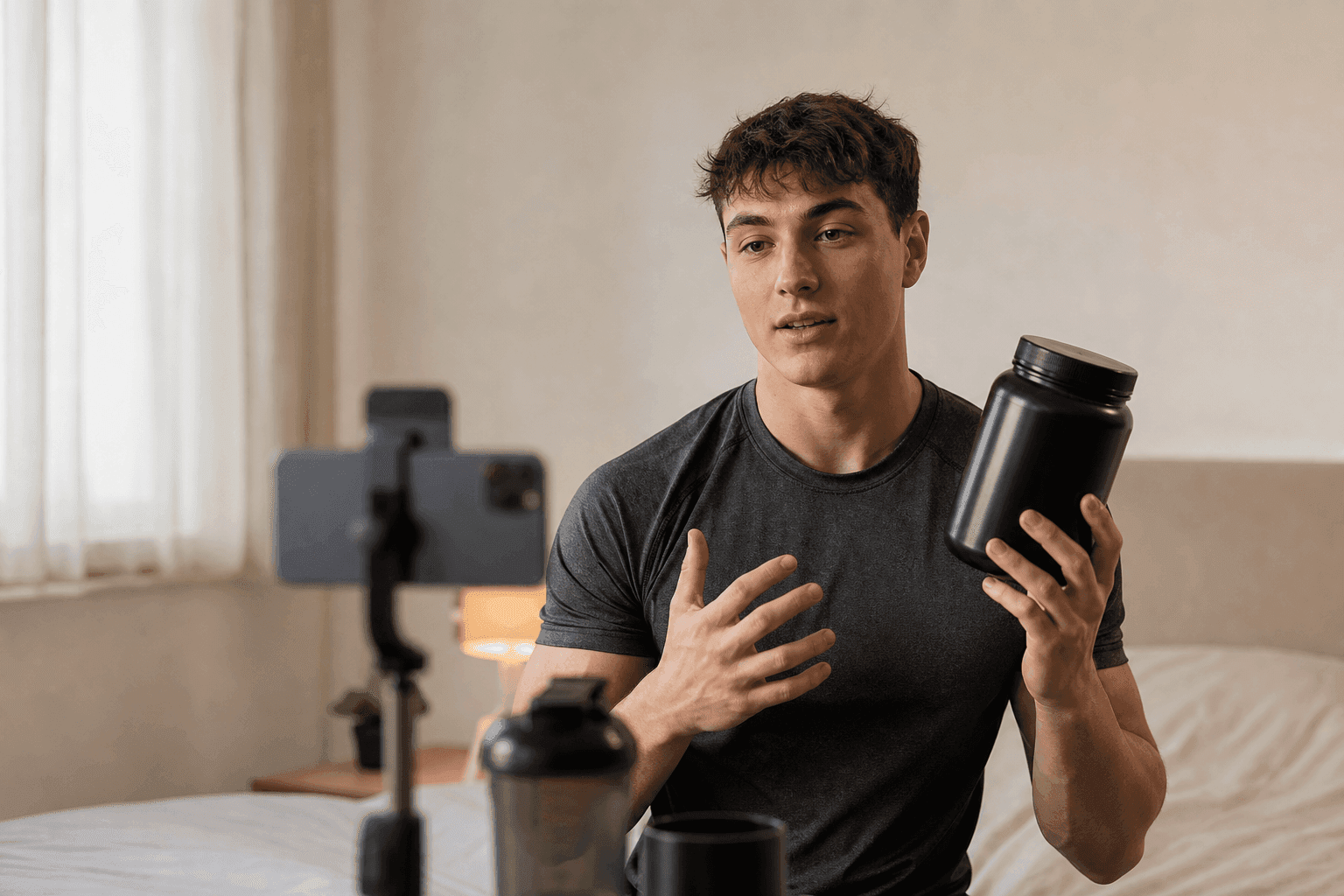
The job: a believable person says believable words to a camera. This was the one job the retirement actually took away, and it has two replacements rather than one: a native-audio general model such as Google Veo 3.1 or Kling v3 Pro, or a talking-actor engine when you want to cast the face rather than roll the dice. Edge: a talking-actor engine for a spokesperson read, Veo 3.1 for a scene.
Cinematic brand cuts
The job: the polished brand spot that runs after a winner is proven, where finish justifies spend. Google Veo 3.1 is now the top of that ladder, with native audio and output in 1080p and 4K, at a price that only makes sense on proven creative. Edge: Veo 3.1, after the test batch, never before. The discipline of testing before finishing is the whole economics of AI versus human UGC creators: keep the cost of being wrong near zero until something earns the finish.
Three signs you cast the wrong model
Miscasting announces itself in the output. Watch for these and switch engines instead of re-prompting harder:
- A talking spot where the mouth fights the voice. You generated the visual on Seedance and layered a voice on top of a face that was never speaking those words. Move the spot to a talking-actor engine, where the lip-sync is driven by the script rather than inferred from it.
- A product demo that ignores your framing. You asked a fidelity-first model for a specific push-in on the label and got a beautiful clip of the wrong thing. Move the brief to Seedance 2.0 and call the shots explicitly, one per clause.
- A test batch that costs more than its lesson. You ran twelve unproven angles on the flat 10-credit row. Drop back to Seedance 2.0 Mini at 1.5 credits; the angle either works at a credit and a half or it does not work at all.
What the retirement did not change
Worth stating plainly, because a deprecation notice makes everything feel unstable for a week:
| What changed | What did not |
|---|---|
| One engine left the picker | Projects, scripts, actors and product photos |
| Talking spots need a new route | The credit balance and the plan they bill against |
| The old head-to-head became history | Seedance 2.0's prices, lengths and camera control |
The only work a Sora-heavy account actually had to do in September was re-point the talking spots. Everything upstream of the model, which is most of the work in an ad, survived untouched.
How one workflow absorbs a retired engine
The reason this post kept saying "per spot" instead of "pick one" is the reason it did not become worthless in September. On Novoads the model is a dropdown rather than a commitment, and every engine bills against the same credit balance inside the same project. When one row of that dropdown was removed, the projects, scripts, actors and product photos behind it did not move.
The setup happens once, the routing happens per spot:
- Build the ad once: upload a product photo, write or auto-generate a script, and pick an AI actor from a library of more than 100 to talk about the product (library actors have empty hands, so for the product in hand, create a custom actor from a photo of someone holding it, which renders on the talking-actor route, or start from a Discover product template, which renders a Seedance 2.0 clip; neither route switches engines).
- Route by job: send the demo or b-roll spot to Seedance 2.0, the long single take to Seedance 2.5, and the sound-on hero cut to Google Veo 3.1, from the same project.
- Finish the winner: re-render only the variation that earned budget on the pricier row.
Nothing gets rebuilt between engines, and every output ships in 30+ languages with real regional accents, so a winning concept localizes instead of being re-shot. The entry plan is $49/month, cancel anytime, and it grants 50 credits a month, so what you watch is your own product in several finished ads rather than somebody else's demo reel.
Cast the model like you cast an actor
Strip the spec sheets away and this was always a casting call rather than a ranking. One model could deliver lines; the other hit every camera mark. The teams that got it wrong were not the ones who picked the weaker model, they were the ones who forced one model to play both roles because it won some abstract comparison.
That habit is also what made September expensive for the teams who had it. If every spot in your account ran through one engine, a deprecation notice is a rebuild; if you were already casting per spot, it was an afternoon of rerouting. So the question to carry forward is not which model is better. It is what this spot needs, words or moves, and whether you could answer that question again next quarter on a different roster.
Frequently Asked Questions
Can I still choose between Seedance 2.0 and Sora 2?
No. OpenAI's deprecations page states that it notified developers on March 24, 2026 of the removal of the Videos API and the Sora 2 model aliases and snapshots from the API on September 24, 2026, and it names no replacement. fal, the host that resold Sora 2, now marks those endpoints deprecated and no longer supported. Seedance 2.0 is unaffected and still renders every clip length it always did, so the practical version of this page is the Seedance half.
What replaces Sora 2 for a talking ad?
Two things, depending on how much of the performance you want the model to invent. Google Veo 3.1 generates native audio in the same pass and outputs in 1080p and 4K, and Kling v3 Pro ships native audio with multilingual support and 15-second clips. For a straight spokesperson read, a dedicated talking-actor engine is usually the better route, because it drives a chosen actor from a script with real lip-sync instead of hoping a general model casts the right face.
What does Seedance 2.0 cost per clip?
3 credits for 5 seconds, 4.2 for 8, 5.8 for 12 and 7 for 15, at up to 720p. Every extra second adds 0.4 credits, so a 13-second beat costs what 13 seconds should cost rather than rounding up to a tier. The half-price Seedance 2.0 Mini runs the same lengths at half the credits, which is the cheapest usable route for hook testing.
Does Seedance 2.0 generate sound?
Yes. The fal model page lists native audio alongside multi-shot editing and director-level camera control, so ambient room tone under a product demo or the tactile sound of an unboxing arrives inside the generation. What it does not center is a lip-synced monologue, which is why a talking spot is usually built on a talking-actor engine rather than on general text-to-video.
What clip lengths and resolutions does Seedance 2.0 support?
Any length from 4 to 15 seconds in 1-second steps, at up to 720p in the standard picker. If a single take has to run longer than 15 seconds, Seedance 2.5 is the successor built for it: it generates single clips of up to 30 seconds without post-stitching, and it shipped in August 2026.
Why keep a comparison to a model nobody can run?
Because the reasoning outlived the model. The useful part of this page was never the verdict, it was the method: decide by the job the shot has to do, not by which model has the louder launch. That method is what tells you where Sora's half of the work should go now, and it is the same method you would use the next time an engine is retired.
Key Takeaways
- This comparison is a retrospective. OpenAI's removal of the Videos API, sora-2 and sora-2-pro takes effect on September 24, 2026, with no replacement named, so Sora 2 is no longer a model you can pick for an ad.
- Seedance 2.0 is still current and still priced the same: 3 credits for a 5-second clip, 4.2 for 8 seconds, 5.8 for 12 and 7 for 15, moving in 1-second steps.
- Seedance 2.0's edge was never the thing that died: single takes up to 15 seconds, multi-shot editing, and director-level camera control are all still shipping.
- Sora 2's edge was synchronized dialogue inside the generation. That job now goes to Google Veo 3.1 or Kling v3 Pro, which generate native audio in the same pass, or to a dedicated talking-actor engine with real lip-sync.
- The durable lesson is the one the removal taught: a creative pipeline pinned to a single vendor's model is one deprecation notice away from a rebuild.
Sources
- •OpenAI: API deprecations (Videos API, sora-2, sora-2-pro)
- •fal: Sora 2 (text-to-video) model page
- •fal: Seedance 2.0 (text-to-video) model page
- •OpenAI: Sora 2 is here (archived announcement, June 2026 snapshot)
- •Google DeepMind: Veo model page
- •fal: Kling 3.0 model page
- •The Decoder: ByteDance's Seedance 2.5 breaks the 30-second barrier