
Seedance
Articles about Seedance.
Higgsfield vs Seedance: Higgsfield Resells the Model, Behind a $49 Plan Gate
Seedance is ByteDance's video model and Higgsfield is one platform that resells it, so the real choice is where to run Seedance 2.5: on Higgsfield's $49 Plus plan, on fal's per-second API or inside Novoads, priced per take as of September 2026.
Runway vs Seedance for Video Ads: Pay 2.5x per Second for 3x Longer Takes
Runway sells ByteDance's Seedance 2.5 next to its own Gen-4.5, so the real choice is which engine gets your credits. On Runway's API, Seedance 2.5 costs 30 credits a second at 720p against 12 for Gen-4.5, and runs one take up to 30 seconds against 10. Cost, length and motion for ad makers, as of September 2026.

Seedance vs Nano Banana for Ads: When One Clip Is Worth 17 Stills
Seedance is ByteDance's video model and Nano Banana Pro is Google's image model, so the real choice is when an ad needs motion. In Novoads, a 5-second Seedance 2.5 clip at 720p costs the credits of 17.5 Nano Banana Pro stills. Here is when motion earns that, when a still is enough, and how to chain the still into the clip.

Seedance 2.5 Prompt Guide for UGC Ads: Direct a 30-Second Take in One Pass
Seedance 2.5 stretches a single generation to 30 seconds with the audio built in, which changes how an ad prompt has to be written. Here is the six-layer structure, the quoted dialogue line that gets lip-sync, and before-and-after rewrites you can paste in.
The AI Video Prompt Tricks Seedance 2.5 Retired, and the Four That Still Matter
Ad makers built a folklore of prompt workarounds to stop captions, stray music and drifting actors. ByteDance's 2.5 release note answers several of them inside the model. Here is what is retired, what survives, and what our own probe of the route we call actually enforces.

3D Animated Product Ads Without a Studio: One Still Image, One 15-Second Render
A stylized 3D animated product ad does not need an animation pipeline. Two generated stills decide the look and the staging, then one image-to-video call renders 15 seconds with the sound already in the file. Here is the route, the prompt rules that keep it from breaking, and what a finished spot costs.

Reference-to-Video Upload Rules: 9 Image Slots, Positional Tags, and a Binding That Expires
Reference-to-video takes three arrays and a text field. The tags in your prompt are array indices rather than labels you choose, the ceiling is 12 files across all modalities, and the binding expires with the request. Here is the full input contract, the notation that differs on every surface documenting it, and the two jobs it will not do.

Where AI UGC Realism Actually Comes From (and Why Every Tool Claims It)
Three of the biggest AI UGC tools claim to be the most realistic. They cannot all be right, and it turns out none of them are wrong either. Realism is produced by a handful of rented video engines that any tool can call, at published per-second prices. Here is what actually makes an AI creator look real, who makes those engines, and what genuinely differs between the tools built on top of them.
Kling vs Seedance for AI Video Ads: Native Audio, 30-Second Takes, and Which Wins
Kling 3.0 vs Seedance 2.5 for ad makers: one ships a unified video, audio, and image model; the other brings 30-second single-pass takes and up to 50 references. Here is the head-to-head by realism, audio, control, length, resolution, and cost.

Local Video Editing for Ads: Fix One Detail Without Re-Rendering the Whole Clip
Regional editing changes one part of an AI video ad, a product label, a background, a color, without regenerating the whole take. Here is what ByteDance is promising, what it means for fixing winning ads instead of rerolling them, and the limits.
Is Seedance 2.0 Free? Credits, Limits, and Where to Use It
No. Seedance 2.0 is not free: ByteDance routes access through app credits and metered APIs. Here are the real credits, limits, and platforms, plus the honest way to test it on ad work from $49/month.
Seedance 2.0 Pricing: What It Actually Costs (API, Apps, and Credits)
Seedance 2.0 costs $0.3034 per second at 720p through the fal API, $0.682 at 1080p, and about 2.6 to 7 credits per clip inside Novoads: here is the per-platform price map, a 15-second worked example, and the cheapest way to test it.
Seedance 2.0 Prompt Guide for Ads: 12 Prompts That Actually Convert
A practical prompt anatomy for Seedance 2.0 video ads plus 12 copy-paste prompts for product demos, UGC-style scenes, and b-roll, with the exact credit cost to run each one.
Seedance 2.0 vs Sora 2 for Ads: A 2026 Retrospective After Sora's Removal
OpenAI's removal of Sora 2 from the API takes effect on September 24, 2026, so this head-to-head is now a record rather than a choice. Here is what each model was good at, and where Sora's half of the work goes now.
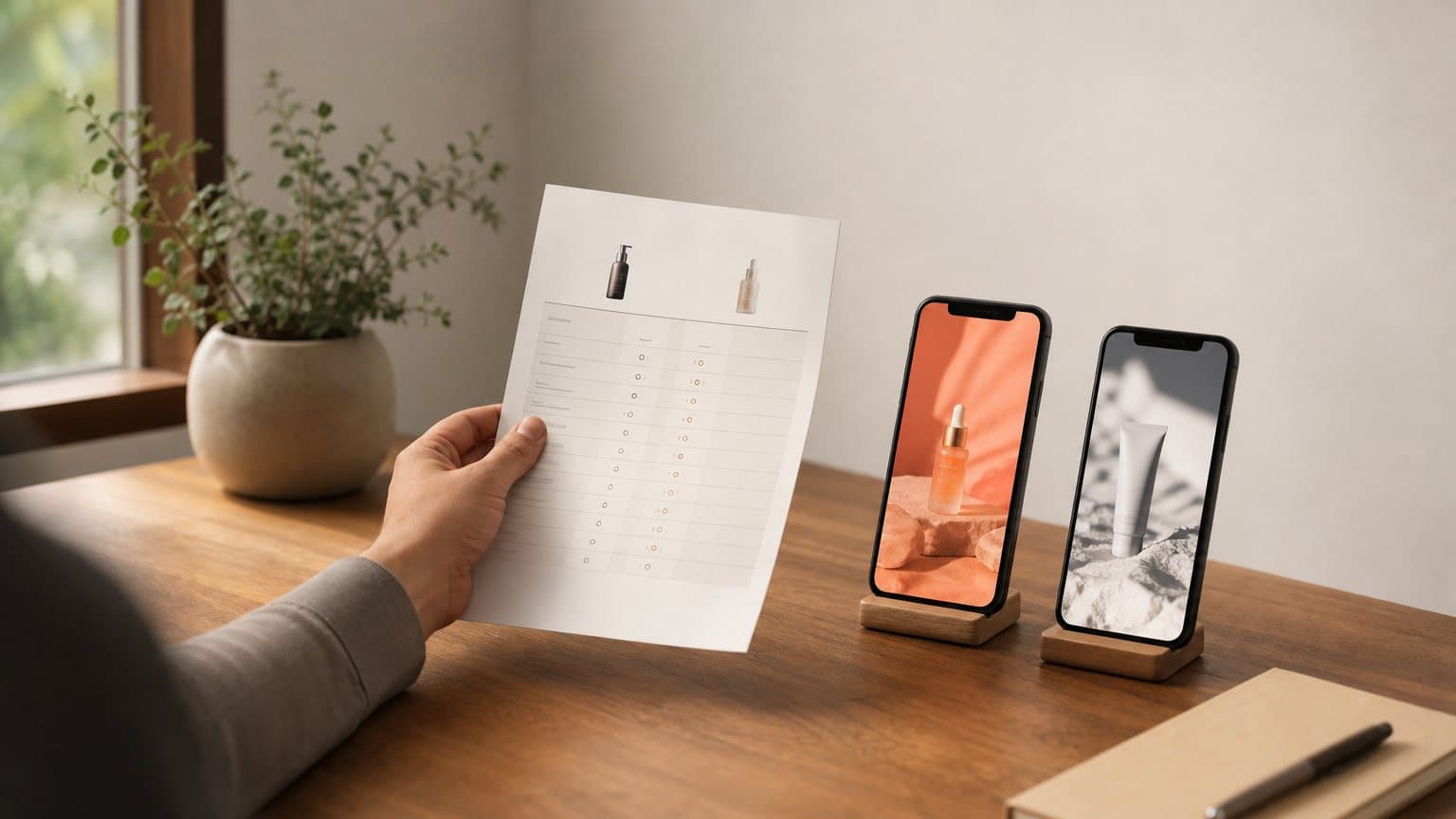
Seedance vs Kling for UGC Ads: Same 3-Credit Price, Very Different Strengths
Novoads runs Seedance 2.0 and Kling v3 Pro at identical credit prices, so the spec sheet decides: formats and reference inputs favor Seedance, stability tuning and 3-second clips favor Kling. Here is the verdict by ad use case, with real per-clip credits.
Seedance 2.0 vs Veo 3.1 for Video Ads: 5 Specs That Decide Your Pick
Novoads runs both Seedance 2.0 and Google Veo 3.1, and the pick comes down to five specs: realism, motion, audio, clip length, and a cost gap that runs about 3 credits versus 10 per clip.
Seedance vs Veo for UGC Ads: Test 3x More Angles for the Same Budget
Novoads runs both Seedance 2.0 and Google Veo 3.1. Seedance is the cheaper, up-to-15-second workhorse for testing many ad angles; Veo is the 1080p hero cut you scale. Here is which to use, with real per-clip credit costs.
What Is Seedance 2.5? ByteDance's 30-Second AI Video Model
Seedance 2.5 is ByteDance's AI video model that generates a 30-second clip in a single pass with up to 50 reference inputs. Here is what it is, what it changes for ad makers, and how to run it now that it has shipped.