
AI video models
Articles about AI video models.

AI Video Physics: Seedance 2.5, Veo 3.1 and Kling 3.0 Pro Failed a Water Pour
In a September 23, 2026 write-up, HumanSignal gave Seedance 2.5, Veo 3.1 and Kling 3.0 Pro the same first frame of a water pour, and none produced a convincing one. Here is which product-ad shots to plan around, and the clay-previs workaround that saved their spot.

MiniMax H3 Max Styles: VHS, 70s Toon and Pixel-Art Ads at $0.08 a Second
fal now lists five one-call H3 Max style endpoints, VHS, Retro Toon 70s, Hand Drawn, Low Poly and 16-bit Pixel, each making 5 to 15 seconds of 768p video with sound from a prompt or an optional first frame at $0.08 a second. Here is which look fits which ad, what a test costs this week, and how to brief one.

Sora 2 vs Veo 3 for Video Ads: One Leaves the API on Sept 24
As of September 19, 2026, OpenAI lists the Videos API and every Sora 2 model ID for removal on September 24, with no replacement named, while Google documents and prices Veo 3.1. Here is what that does to an ad pipeline.
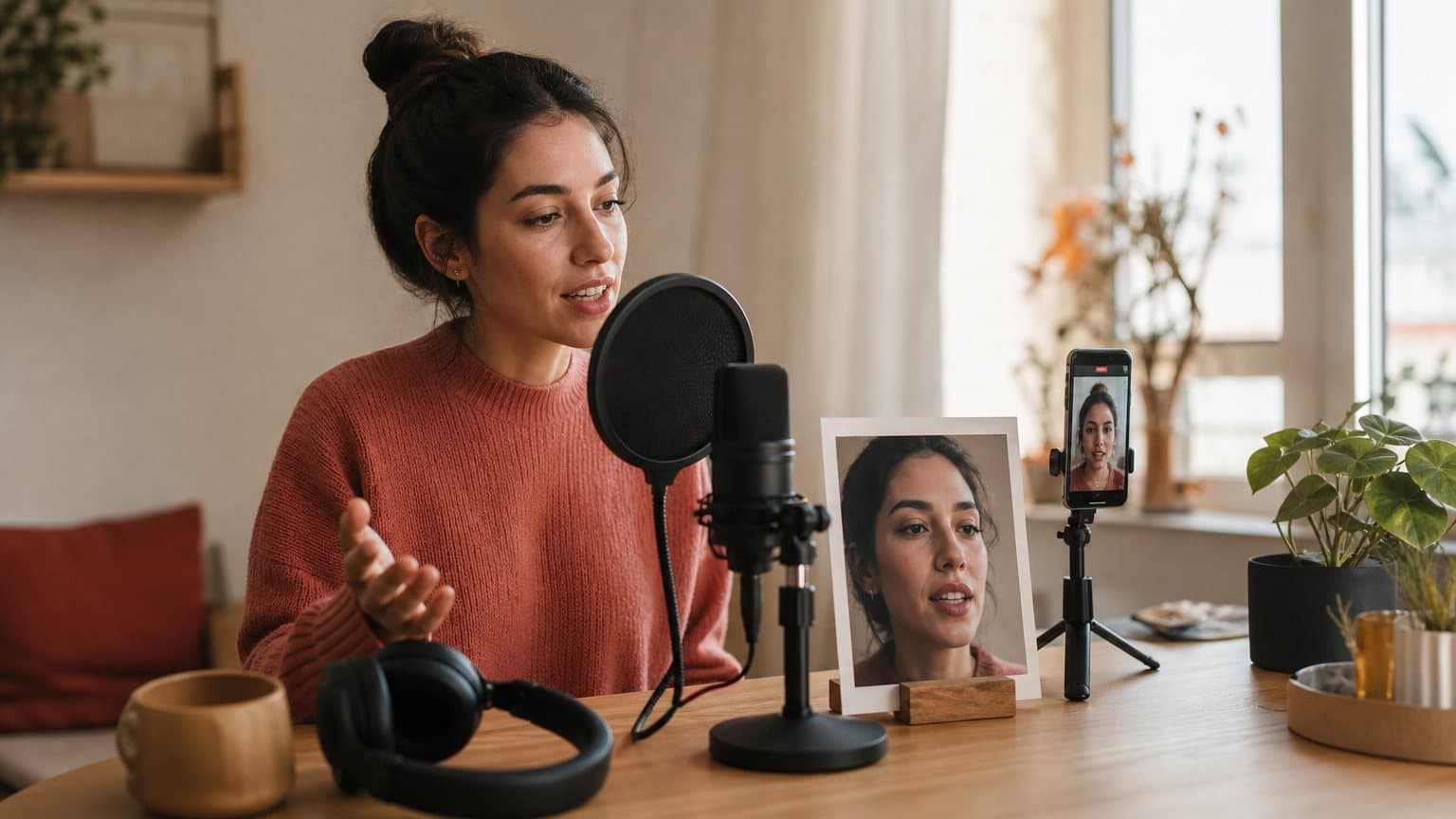
H3 Max Lip Sync on fal: a 15-second talking-head ad costs $0.75 to $4.80
fal made H3 Max Lip Sync, its post-train of MiniMax's open-weight H3, public on September 18, 2026: it turns one still image and a 5 to 15 second voice track into a lip-synced clip billed at $0.05 to $0.32 per second, which prices a talking-head ad and caps every call at 15 seconds.
Kling vs Veo for Video Ads: Motion, Audio and a 2.4x Cost Gap
Novoads runs Kling v3 Pro, Google Veo 3.1 and Omni Flash. At eight seconds with sound, Veo costs about 2.4 times Kling per second, blind voters split by input type, and Google's own guide names Omni Flash its default video model.

Creatify Boreal on fal: Video With Native Audio at $0.01 a Second in 720p
Creatify Labs publicly launched Boreal on September 15, 2026, a video model that generates synchronized sound with the picture. fal lists it at $0.01 per second at 720p, $0.03 at 1080p and $0.12 at 2K.
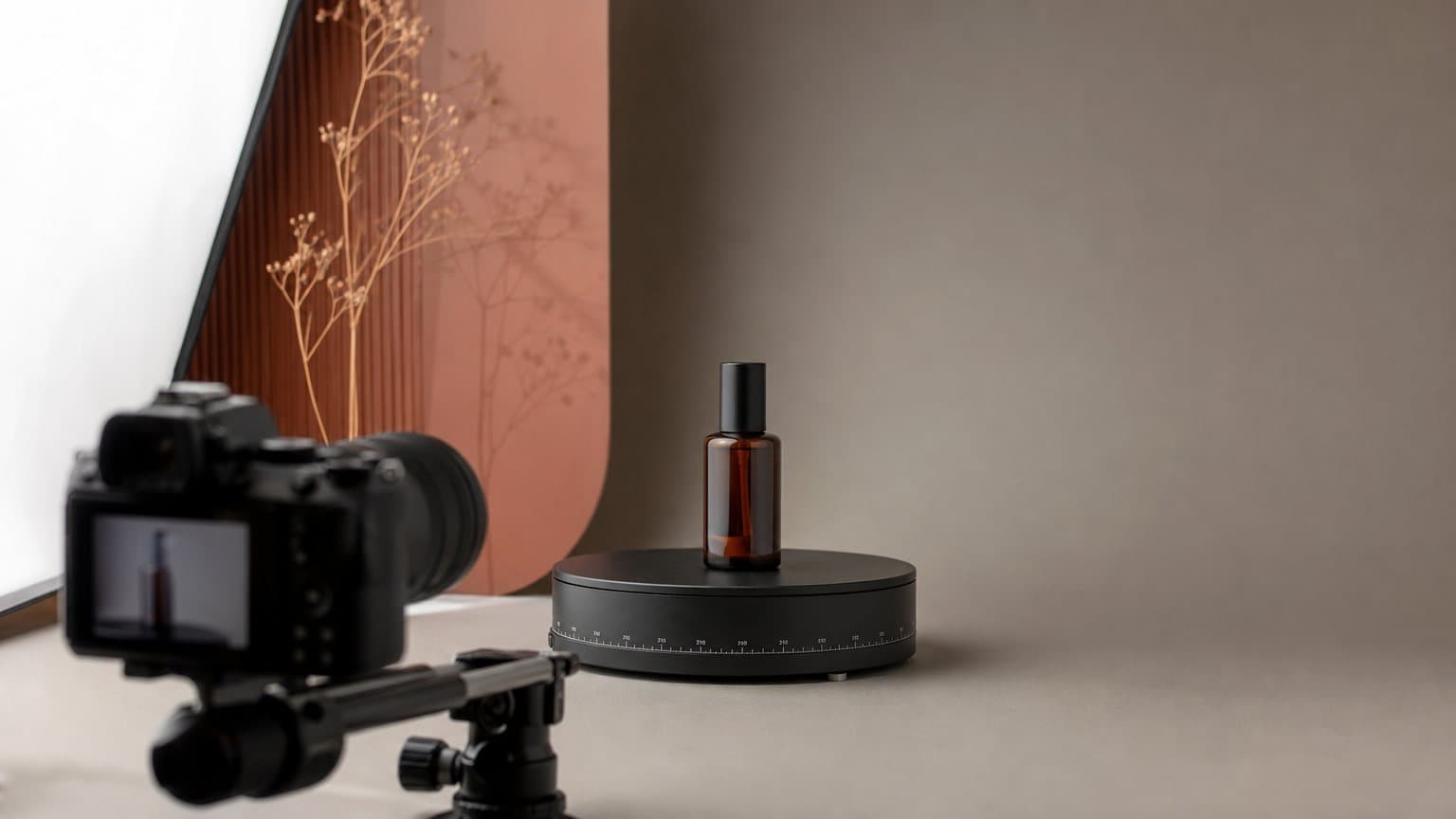
AI Video Camera Controls Are Now Numbers: What 12 Keyframes Change for Product Ads
A camera move used to be an adjective inside a prompt. On fal's H3 Max camera endpoint it is a typed array of up to 12 keyframes, each carrying an angle, a height and a distance. Here is what a replayable camera path buys a product ad, and where a written move still wins.

H3 Max Director streams AI video you can redirect mid-take, capped at two minutes
fal made H3 Max Director publicly callable on September 3, 2026. It generates one continuous video stream you steer with live prompts, at $0.02 per second of video until September 14 and a 60-second minimum per session.

A 22B Open-Weights Video Model Now Renders Multishot Ads on Hardware You Already Own
LTX shipped a new open-weights release on August 11, 2026, and the genuinely new capability is multishot: one generation that holds character, scene and voice across cuts. Here is what changed, what was already there, and what it costs.
How Long Does AI Video Generation Take? 60 Days of Measured Production Renders
Across 1,045 production renders in 60 days, the median end-to-end wait ran from 45 seconds for a still image to 435 seconds for the slowest video model. Here is the measured table, with the sample size printed beside every number.

What is MiniMax H3 (Hailuo 3.0)? 2K video with native audio, explained for ad makers
MiniMax launched H3 on July 31, 2026: one model that generates up to 15 seconds of 2K video with native stereo sound. Here is what those specs actually change for anyone making short-form video ads, and what they do not.

Kling Motion Control Pricing: What Motion Transfer Costs for Consistent AI Actors
Motion control transfers a performance from a driving video onto a character image. fal's page lists the Pro endpoint at $0.168 per second and Standard at $0.126. Here is what that buys, where the duration caps bite, and what a clip costs in Novoads credits.

PixVerse V6 for Ad Creative: What 15 Seconds at 1080p Actually Costs to Run
PixVerse V6 is PixVerse's flagship video model, announced March 30, 2026: clips of 1 to 15 seconds, up to 1080p, with audio generated in the same pass. Here is the spec sheet, the per-second math on a real ad clip, and how it lands against the engines you can run today.
What Is Flux 3? Black Forest Labs' Multimodal Model, Explained for Ad Makers
Black Forest Labs announced FLUX 3 on July 23, 2026: one model that generates images and up to 20-second video with native audio, and extends to action prediction. It is gated early access, not a launch. Here is what it changes for ad makers, and when you can actually use it.

Where AI UGC Realism Actually Comes From (and Why Every Tool Claims It)
Three of the biggest AI UGC tools claim to be the most realistic. They cannot all be right, and it turns out none of them are wrong either. Realism is produced by a handful of rented video engines that any tool can call, at published per-second prices. Here is what actually makes an AI creator look real, who makes those engines, and what genuinely differs between the tools built on top of them.

Kling vs Seedance for AI Video Ads: Native Audio, 30-Second Takes, and Which Wins
Kling 3.0 vs Seedance 2.5 for ad makers: one ships a unified video, audio, and image model; the other brings 30-second single-pass takes and up to 50 references. Here is the head-to-head by realism, audio, control, length, resolution, and cost.

Sora 2 Leaves the API on September 24, 2026: 4 Video Models for Ad Teams
OpenAI's removal of the Videos API, sora-2 and sora-2-pro takes effect on September 24, 2026, with no replacement named. Here are the four AI video models ad creators are switching to and what each one is for.
Is Seedance 2.0 Free? Credits, Limits, and Where to Use It
No. Seedance 2.0 is not free: ByteDance routes access through app credits and metered APIs. Here are the real credits, limits, and platforms, plus the honest way to test it on ad work from $49/month.
Seedance 2.0 vs Sora 2 for Ads: A 2026 Retrospective After Sora's Removal
OpenAI's removal of Sora 2 from the API takes effect on September 24, 2026, so this head-to-head is now a record rather than a choice. Here is what each model was good at, and where Sora's half of the work goes now.

Seedance vs Kling for UGC Ads: Same 3-Credit Price, Very Different Strengths
Novoads runs Seedance 2.0 and Kling v3 Pro at identical credit prices, so the spec sheet decides: formats and reference inputs favor Seedance, stability tuning and 3-second clips favor Kling. Here is the verdict by ad use case, with real per-clip credits.
Seedance 2.0 vs Veo 3.1 for Video Ads: 5 Specs That Decide Your Pick
Novoads runs both Seedance 2.0 and Google Veo 3.1, and the pick comes down to five specs: realism, motion, audio, clip length, and a cost gap that runs about 3 credits versus 10 per clip.
Seedance vs Veo for UGC Ads: Test 3x More Angles for the Same Budget
Novoads runs both Seedance 2.0 and Google Veo 3.1. Seedance is the cheaper, up-to-15-second workhorse for testing many ad angles; Veo is the 1080p hero cut you scale. Here is which to use, with real per-clip credit costs.

What Is LTX-2.3? Release Date, Paper, Specs and the LTX-2.5 Update
LTX-2.3 is Lightricks' open-weights audio-video model, released March 5, 2026. The paper, the specs, and what LTX-2.5 changed on Aug 11.
What Is Seedance 2.5? ByteDance's 30-Second AI Video Model
Seedance 2.5 is ByteDance's AI video model that generates a 30-second clip in a single pass with up to 50 reference inputs. Here is what it is, what it changes for ad makers, and how to run it now that it has shipped.