
AI video
Articles about AI video.
OpenAI Video API Shuts Down September 24: What to Change in Your Code
OpenAI's deprecations page schedules the Videos API, sora-2 and sora-2-pro for removal on September 24, 2026, and names no replacement. Here is the call shape your code loses, what the Gemini API expects instead, and how each field maps.

What Is Google Veo 3.1 Lite? Price, Limits and Model IDs
Veo 3.1 Lite is Google's lowest-priced Veo 3.1 tier, in preview since March 31, 2026. On the Gemini API, as of September 21, 2026, it costs $0.05 a second at 720p and $0.08 at 1080p, with no 4K, and Google's two surfaces disagree on what else it drops. Here is what that means for testing video ads.
How to Make AI Video Look Real: Camera, Light, Skin and Sound Fixes
AI video reads fake for reasons you can name and fix. Six prompt fields decide it: camera position, framing, lens, light, texture and sound. Here is the checklist, written against Google's own Veo 3.1 prompt guide and the engines that render the clip.
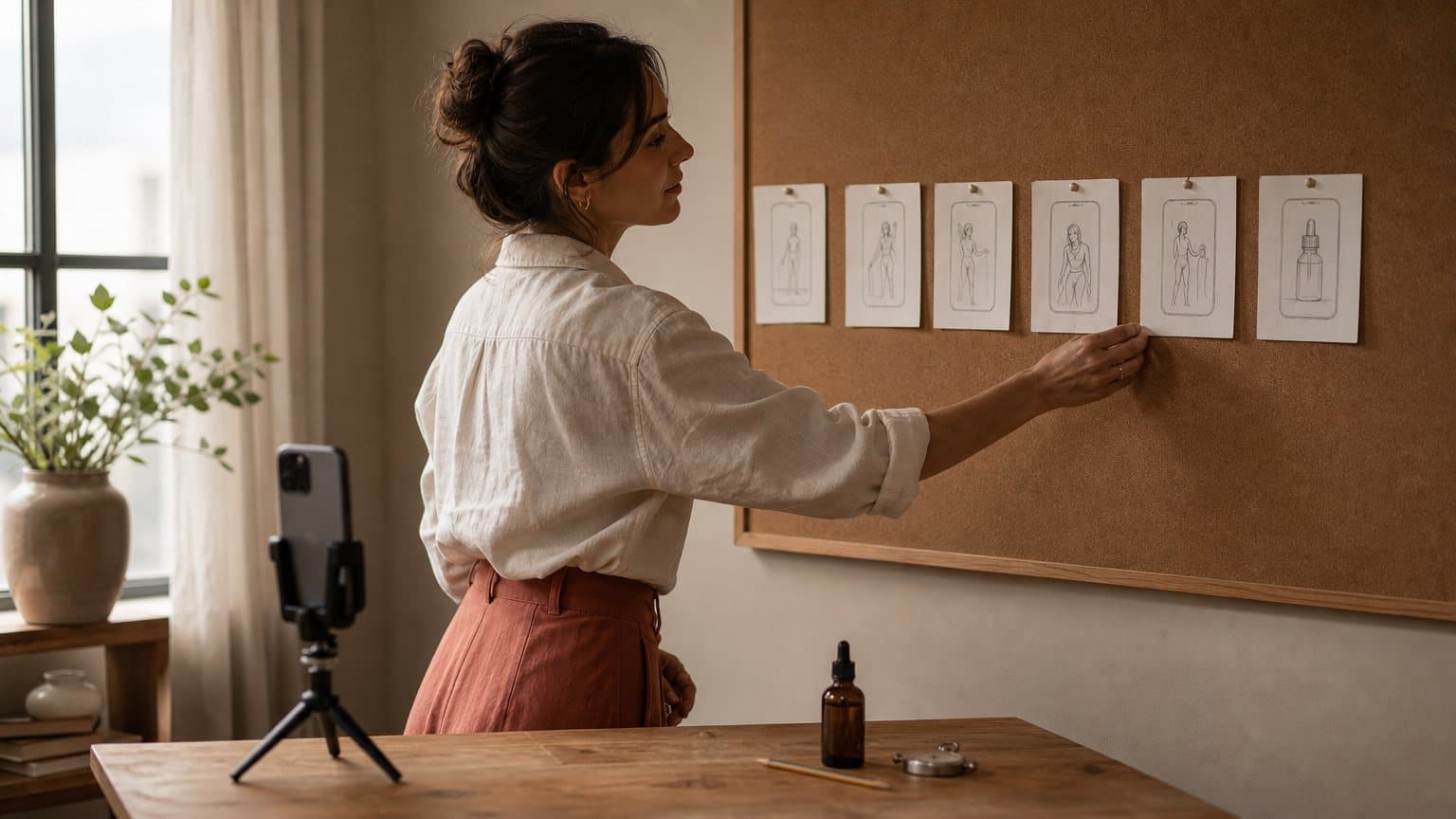
Video Ad Storyboard: How to Turn a 30-Second Script Into a Shot List
A video ad storyboard splits the script into beats, gives each beat one shot and draws each shot as a frame inside the placement's safe zone, before anyone films or generates. Here is the four-step method, a 30-second worked example and how to render each shot with AI.

Higgsfield API: What It Exposes, What It Costs, and the 7-Day Output Window
One base URL, a key pair in the Authorization header, and an asynchronous queue you poll or webhook. Here is the whole Higgsfield API surface, the concurrency ceiling that stops you first, and the billing and retention rules worth reading before you write any code.

Higgsfield MCP Explained: How It Connects, and Why Unlimited Stops at the Browser
Higgsfield reaches AI agents through a hosted MCP server and a CLI, with no API key anywhere in the setup. The rule that catches people out is the billing one: every generation an agent makes deducts credits, even on a plan with unlimited web access.
Gemini Agentic Video Understanding Cuts Long-Form Analysis Costs Up to 66%, Google Says
Google launched agentic video understanding on September 1, 2026, letting Gemini hunt through a video instead of sampling every second. The savings land on hours of footage, not on six-second ads, and the numbers are Google's own.

AI Video Credits Explained: What 1 Credit Buys, and How to Compare Vendor Prices
A credit is a private currency. The vendor defines it, it changes per feature, and it converts into video only through a table the vendor controls. Here is how to turn any credit price into a cost per finished ad.
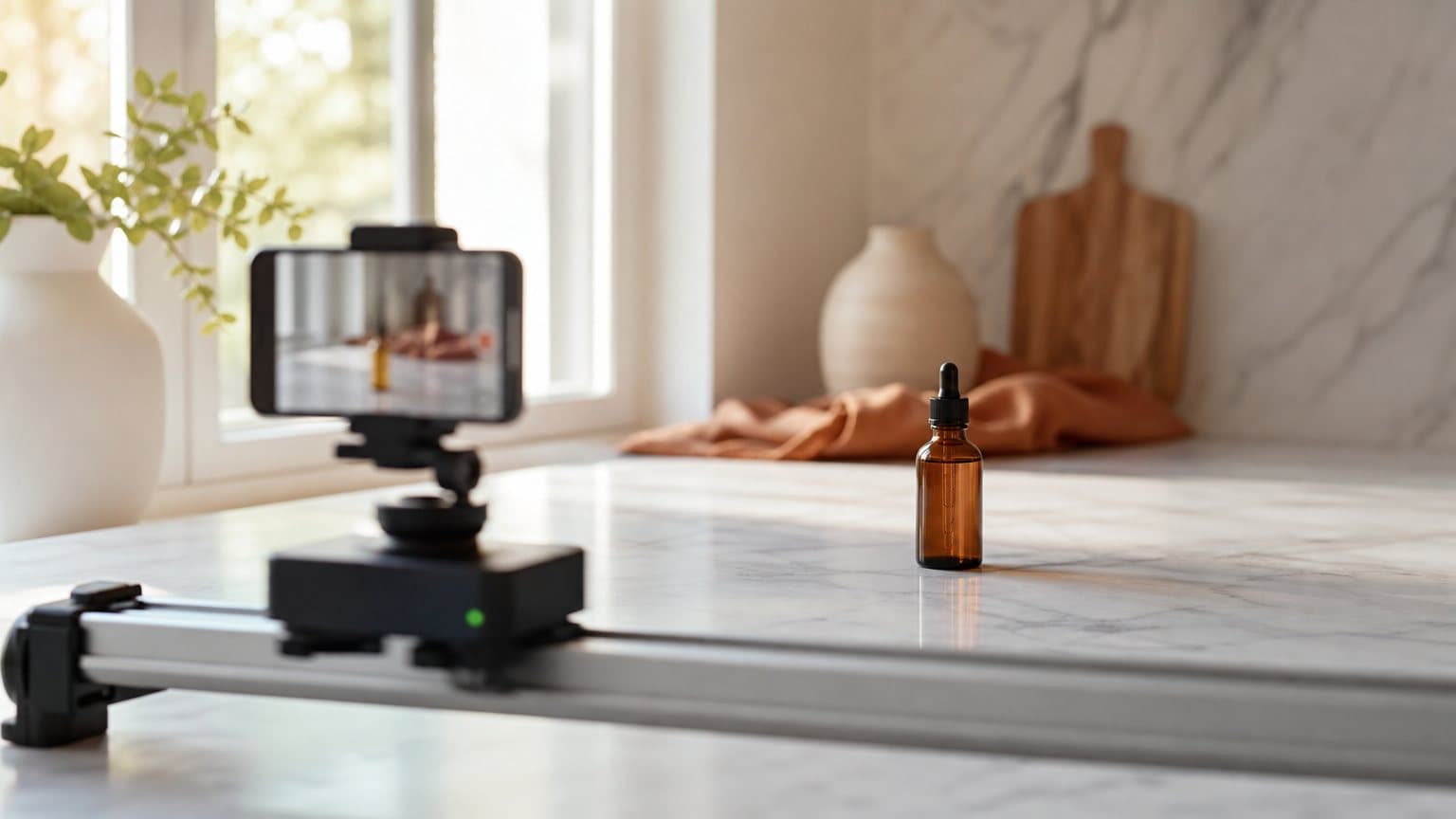
AI Video Camera Movement Prompts: Nine Direction Words and a 38% Miss Rate
Camera movement in AI video ads is set by the sentence you write, not by a slider. Here are the direction words that land, the phrasings that break a shot, and how often even the best-scoring model misses.

Brand Video Examples: 7 Types Brands Use, and How to Make One With AI
The seven brand-video types that cover almost every need, with an example of each and how to produce them with AI in minutes instead of a production week.
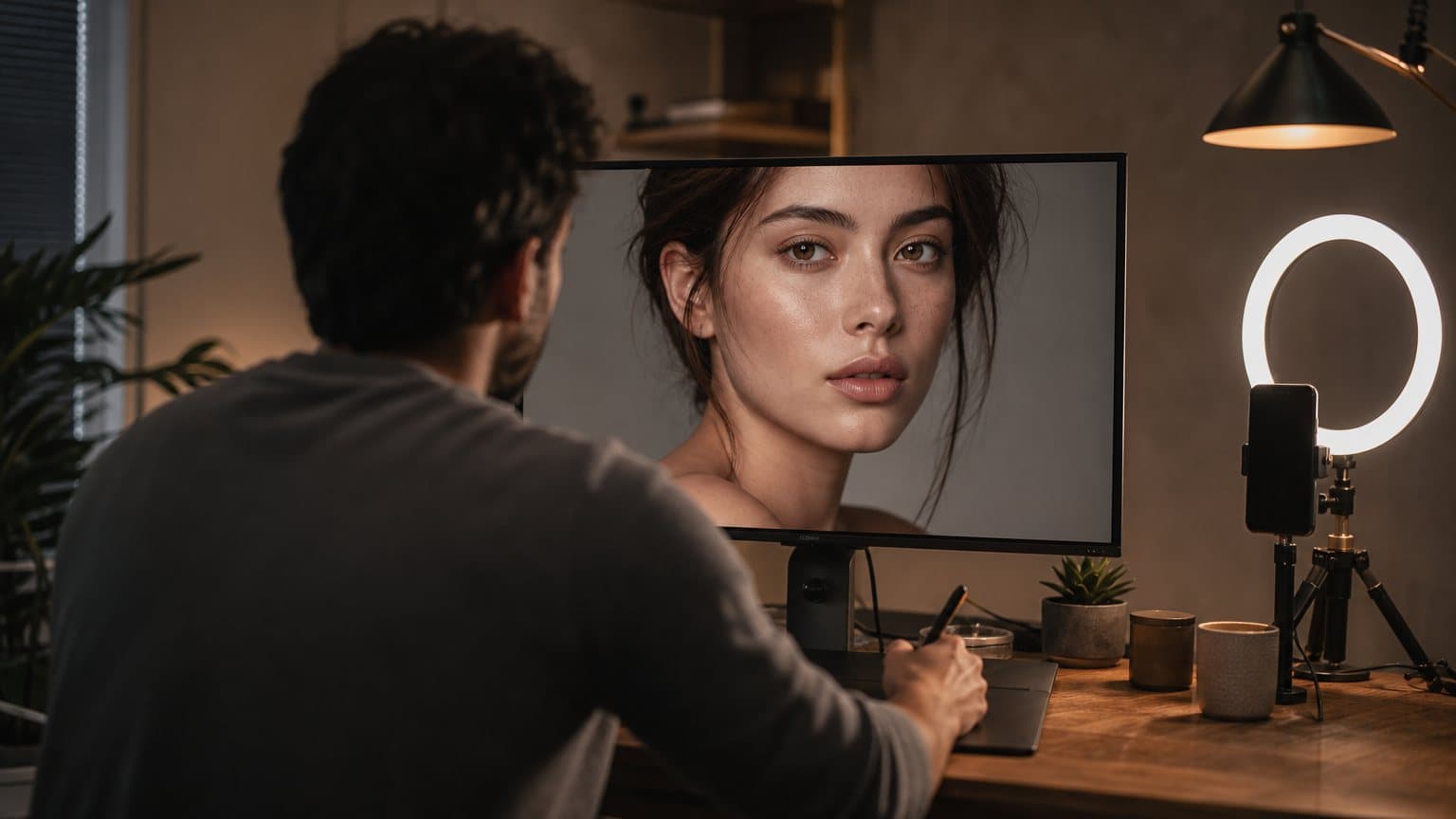
How to Create an AI Influencer in 2026: 7 Steps From Persona to Paycheck
An AI influencer is a rendered persona with a real audience business behind it. Here are the seven steps to build one, the disclosure rules that now apply, and when an AI UGC actor sells more product for less money.

Brand Videos for Small Teams: What to Make When $5,000 Is the Whole Budget
A commercial or brand film starts at $5,000. Almost 40% of companies spend less than that on video all year. Here is which brand videos are worth making first, what each one costs, and the math that decides.
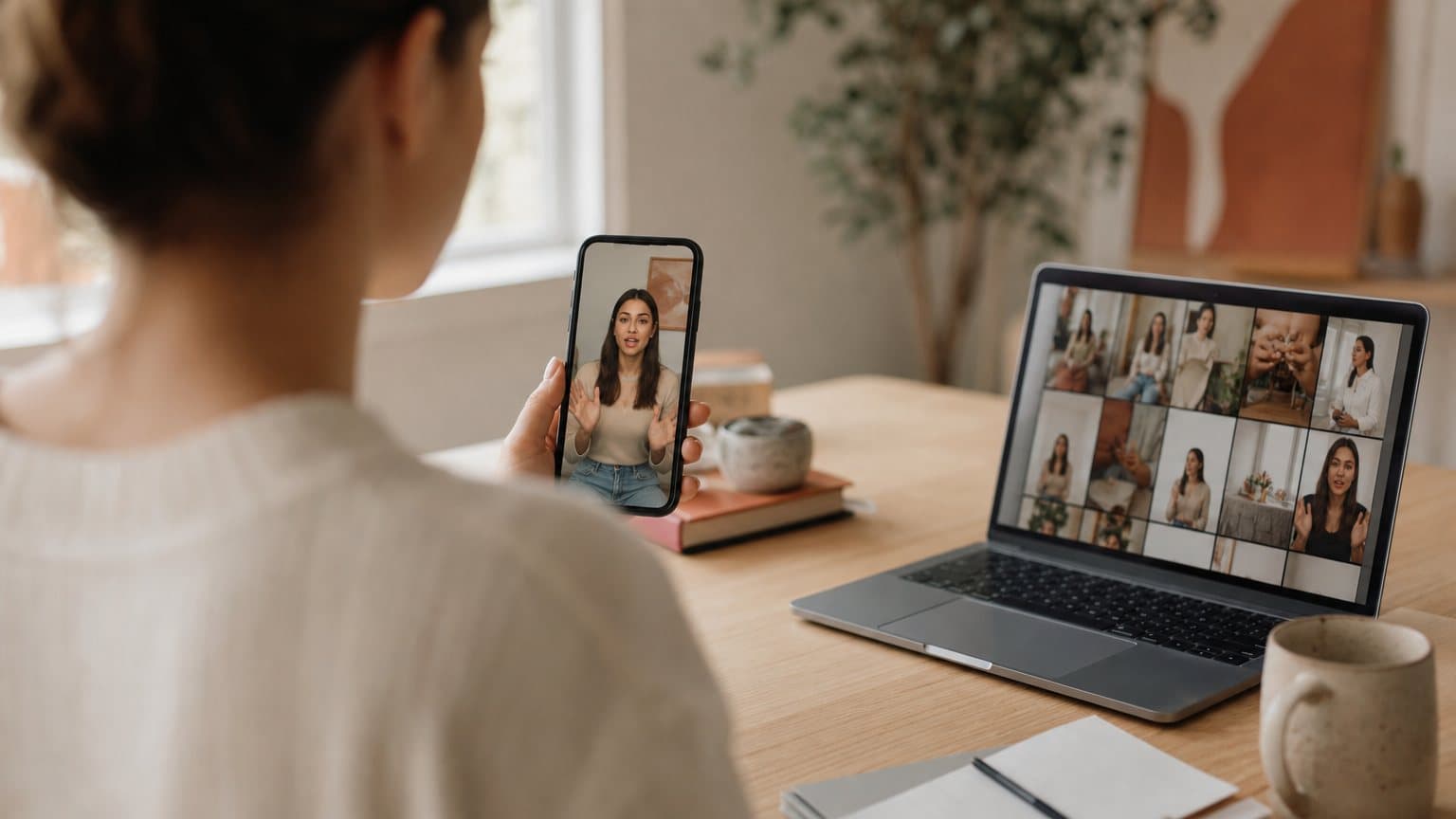
AI Video Generator for TikTok: Make Native 9:16 Ad Variants in Minutes, Not Days
An AI video generator for TikTok turns a typed script into a native 9:16 vertical ad with a real-sounding voice in minutes, so you can test ten angles for the price of one creator clip. Here are the best tools, the formats TikTok rewards, and a full workflow.

MiniMax and Hailuo: What This AI Video Model Means for Your Ads
MiniMax roughly doubled on its Hong Kong IPO debut and its Hailuo video model competes hard on cost. Here is what MiniMax and Hailuo actually are, and where a raw video model fits the job of making UGC ads.
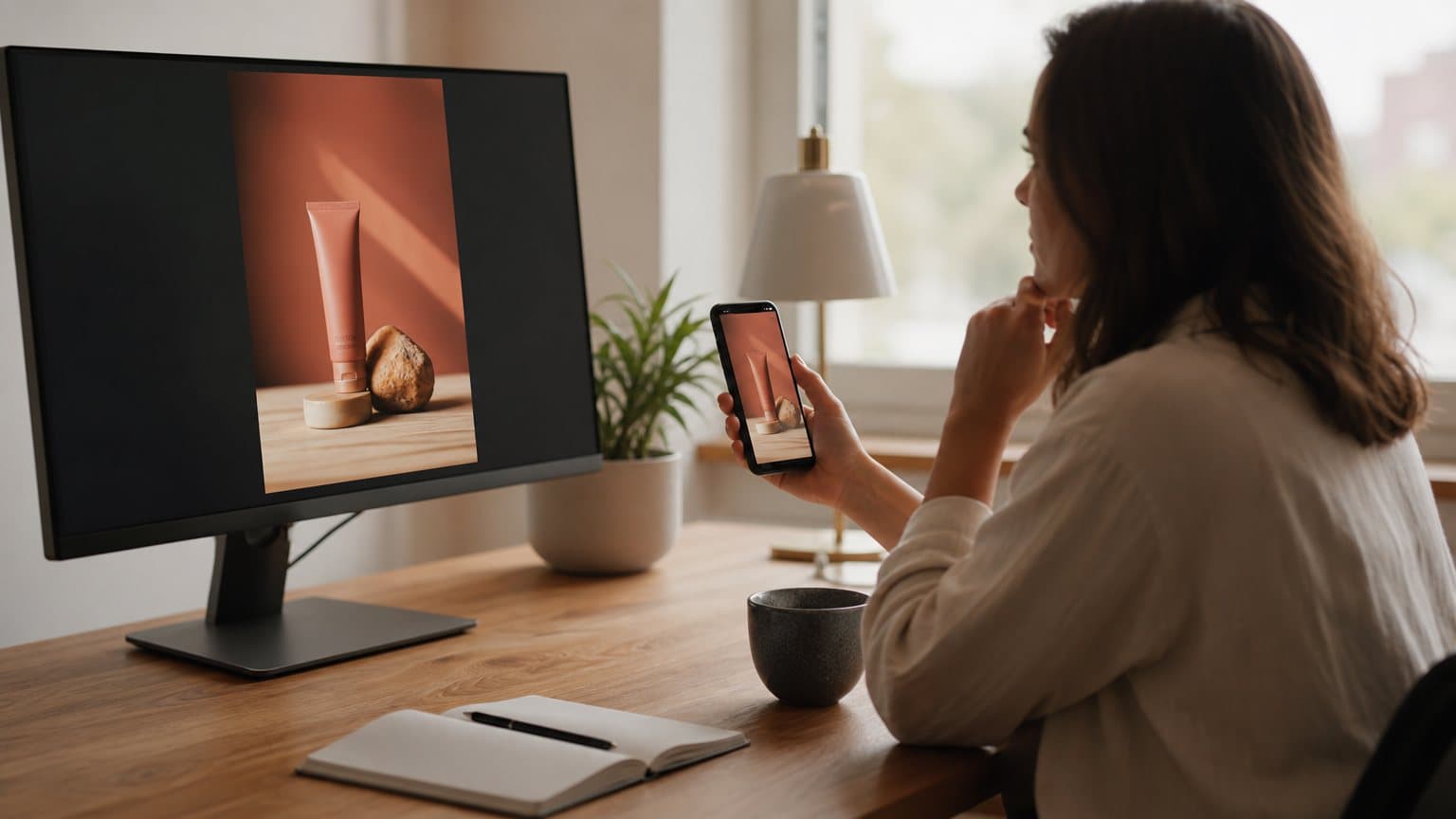
Native 4K AI Video Ads Are Here: Does 4K Move Social Ad Performance?
Native 4K and 30-second AI clips are arriving fast, but social feeds recompress every upload, so 4K only earns its cost in a few specific places and is wasted spend everywhere else.
Gemini Omni Flash Extends Video to 40 Seconds: Its Preview Model Retires September 30
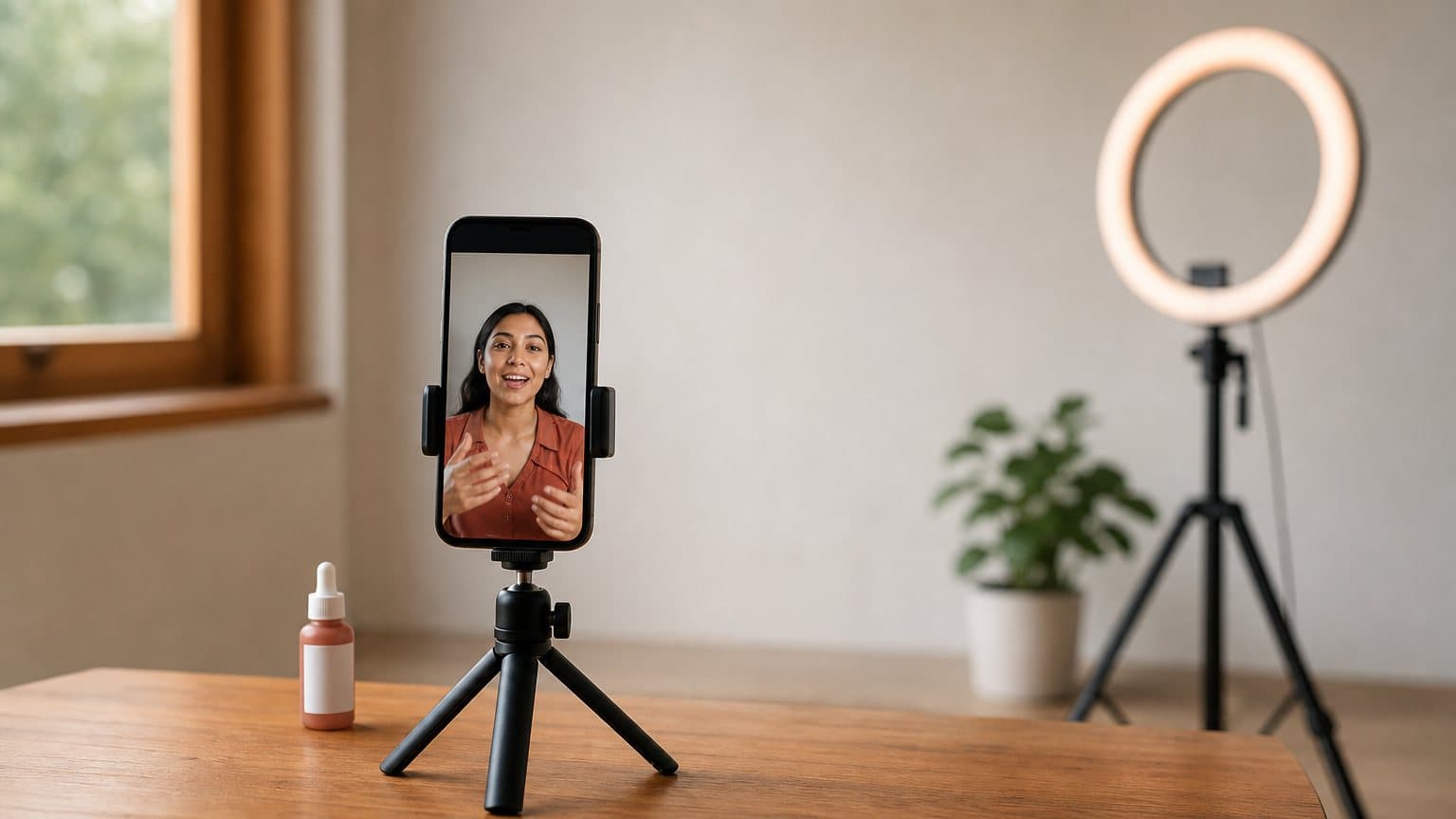
Google made Gemini Omni Flash generally available on August 27, 2026, adding scene extension to 40 seconds, first-and-last-frame control, and 360p-to-4K resolution. The old preview endpoint shuts down September 30. Here is what changes for ad-makers, and how the model already runs inside Novoads.

Novoads vs Synthesia: Native UGC Ads or Corporate AI Video
Synthesia is the studio-clean standard for corporate, training, and onboarding video in 160+ languages. Novoads centers native handheld UGC ads: a product in a custom actor's hands, real regional accents, and a $49/month start. Here is how they compare and when to pick each.

How to make TikTok ads that actually sell
A practical guide to TikTok ads: the native format that performs, how to produce dozens of variations with AI, and how to launch them as Spark Ads or In-Feed.

UGC Ads: What They Are, Why They Work, and How to Create Them with AI
Complete guide to UGC ads (User Generated Content): what they are, why they outperform polished brand ads, the formats that carry paid social, and how to create them with AI in minutes.

Video Ad Production Cost in 2026: Traditional, AI, and the Cost-to-Test
Traditional video ad production runs from a few thousand to tens of thousands per project. AI tools produce a finished ad for a few dollars. Here are the real 2026 ranges, and the cost math that actually decides your creative budget.