
Blog
Insights for AI advertisers
Guides, strategies, and comparisons for creating AI video ads that convert.

Reddit Made Split Testing Self-Serve: How to A/B Test Your AI UGC Ad Variants
Reddit opened Split Testing, its built-in A/B tool in Ads Manager, to every advertiser on July 1, 2026. Here is how to generate multiple UGC ad variants and run a clean split test to find the one that wins.
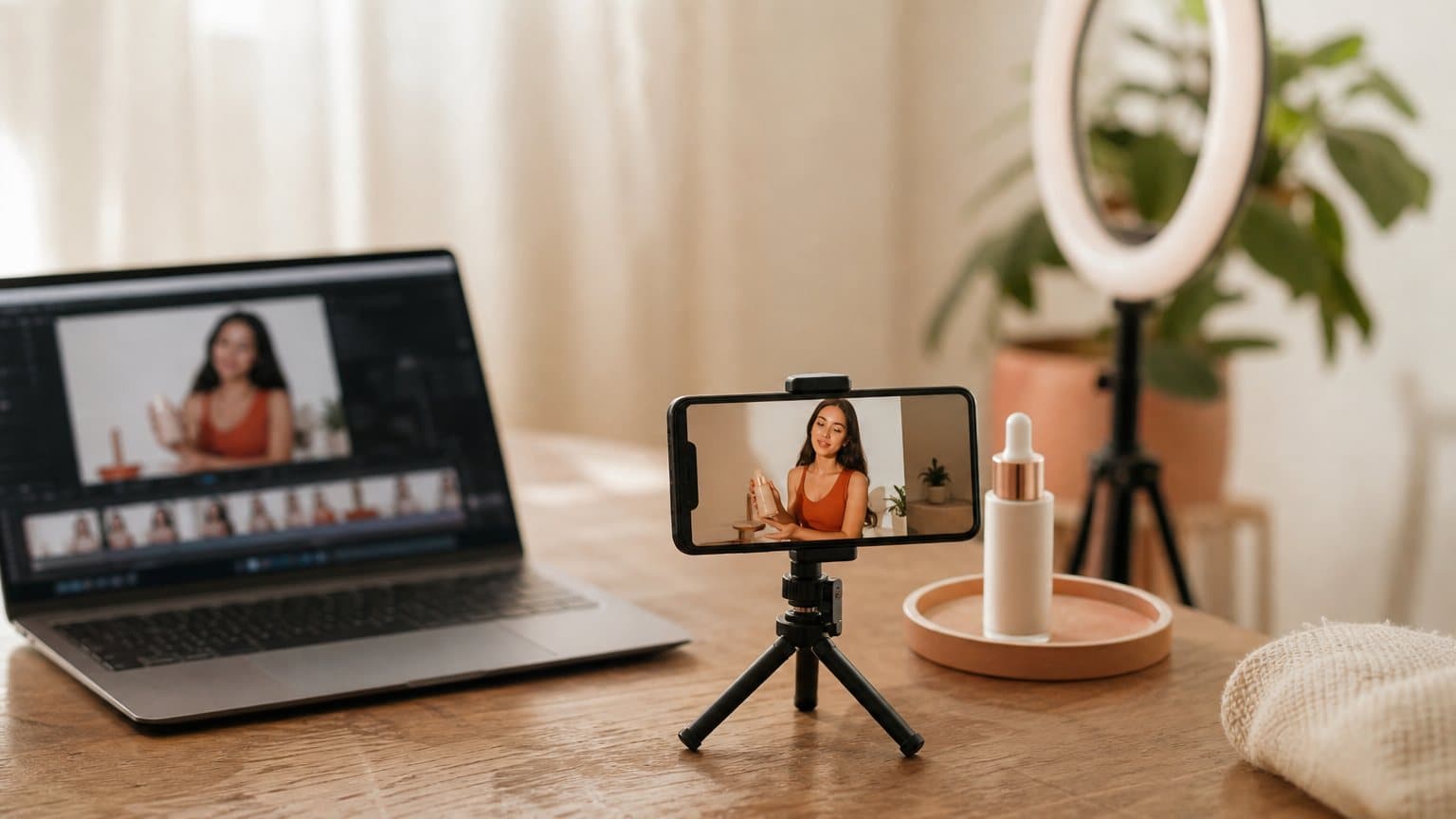
UGC AI: What It Is and How AI Generates UGC-Style Videos
UGC AI is the practice of generating UGC-style videos with AI: a synthetic actor performs a script instead of a person filming. Here is what the term means, how the generation pipeline works under the hood, the output types, and where it fits next to real UGC ads.

High CTR Does Not Mean Your Ads Work: Test 10 Creatives, Track Conversions
Automated bidding and AI optimization have inflated click-through rates, so a high CTR no longer proves an ad works. Here is what to measure instead, and why cheap creative testing finds the ad that actually converts.
Gemini Omni Flash Turns Text Into 10-Second Video With Sound for $0.10 a Second
Google launched Gemini Omni Flash, a model that generates video with synchronized audio from a text prompt at $0.10 per second. Here is what it changes for ad-makers, and where it sits next to the video models Novoads already runs.

Google Is Testing AI Summaries Under Search Ads: 5 Moves Advertisers Should Make
Google Ads is testing AI-generated summaries beneath sponsored results, and it changes what your copy and creative have to do. Here is what is happening and the five moves to make now.

Nano Banana 2 Lite Makes a Product Ad Image in 4 Seconds for $0.034
Google launched Nano Banana 2 Lite, a fast text-to-image model that returns a picture in about four seconds for $0.034. Here is what a cheap, fast AI image model changes for ecommerce ad-makers who live on product photos and static variations.
Seedance 2.0 vs Veo 3.1 for Video Ads: 5 Specs That Decide Your Pick
Novoads runs both Seedance 2.0 and Google Veo 3.1, and the pick comes down to five specs: realism, motion, audio, clip length, and a cost gap that runs about 3 credits versus 10 per clip.
How to Disclose AI-Generated UGC Ads on TikTok: A 5-Step Compliance Checklist
TikTok asks you to label realistic AI content, and for a UGC ad that means a synthetic actor or voice. Here is what counts, how to add the label in a few taps, and a 5-step checklist to stay compliant.

UGC Content Creator: Hire One, or Out-Test It With AI for Under $100
A UGC content creator is a paid pro who makes authentic-style videos brands post as their own. Here is how to find, brief, and manage one, how to become one, and how AI now produces the same clip from a script for a few dollars.
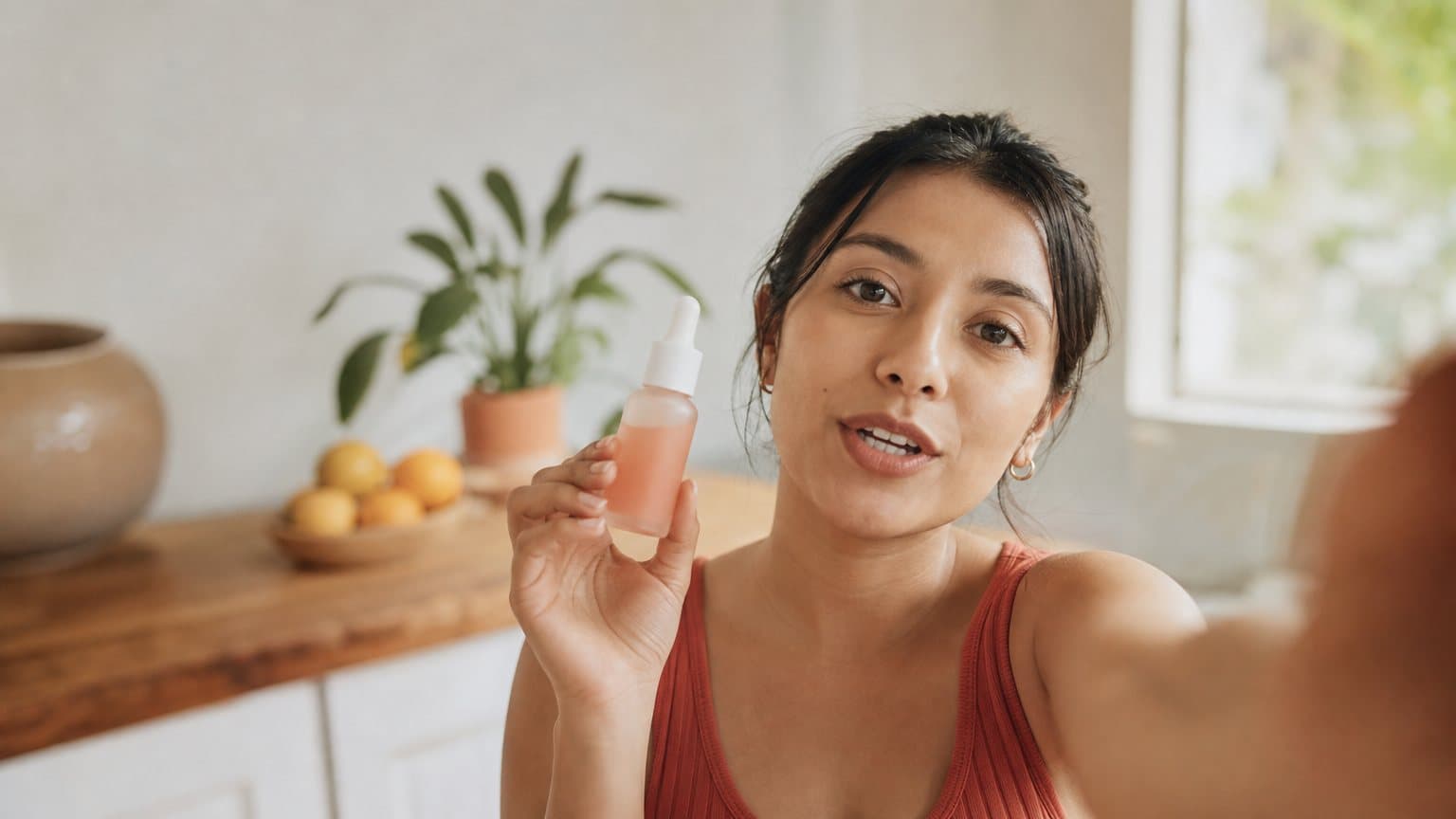
UGC-Style Ads: The Format That Outsells Polished Video, Made With AI in 4 Minutes
A UGC-style ad is a paid video built to look like organic, phone-shot content, and it beats polished brand ads on TikTok, Reels, and Meta because the feed rewards native. Here is what the format is, why it works, and how to make one with AI end to end.

Zeely vs Creatify: Which AI Ad Generator Fits Your Store, Across 5 Factors
Zeely builds and launches whole ad campaigns from one app; Creatify turns a pasted product URL into batches of AI video ads; Novoads makes product-in-hand UGC in 30+ languages with real regional accents. Here is how the three compare and when to pick each.

Google Video Reach and Video View Campaigns: What Their New Metrics Mean for Advertisers
Google has reshaped how Video Reach and Video View Campaigns report results on YouTube, giving advertisers a clearer line from budget to unique reach and TrueView views. Here is what changed and how to act on it.