
Blog
Insights for AI advertisers
Guides, strategies, and comparisons for creating AI video ads that convert.

Google Ads Rules for AI-Generated Images: What Is Allowed in 2026
Google Ads allows AI-generated images but holds them to the same policies as any photo. Here are the 2026 rules: what Google's own tools will create, who gets access, how SynthID watermarking works, and what actually gets AI images disapproved.
Google Ads Creative Standards in 2026: What Changed for Video Ads
Google Ads video creative standards shifted in 2026: multi-format is the default, Google AI auto-generates and edits video assets, and coverage across 16:9, 1:1, and 9:16 now shapes delivery. Here is what changed and how to keep control of your ads.

The Google Ads Tactic That Cut Invalid Clicks by 50% (and How to Copy It)
A Google Premier Partner agency cut a client's invalid clicks in half by setting 540 Google-defined audiences to Targeting. Here is what happened, the exact setup steps, and who should skip it.
Is Seedance 2.0 Free? Credits, Limits, and Where to Use It
No. Seedance 2.0 is not free: ByteDance routes access through app credits and metered APIs. Here are the real credits, limits, and platforms, plus the honest way to test it on ad work for $1.
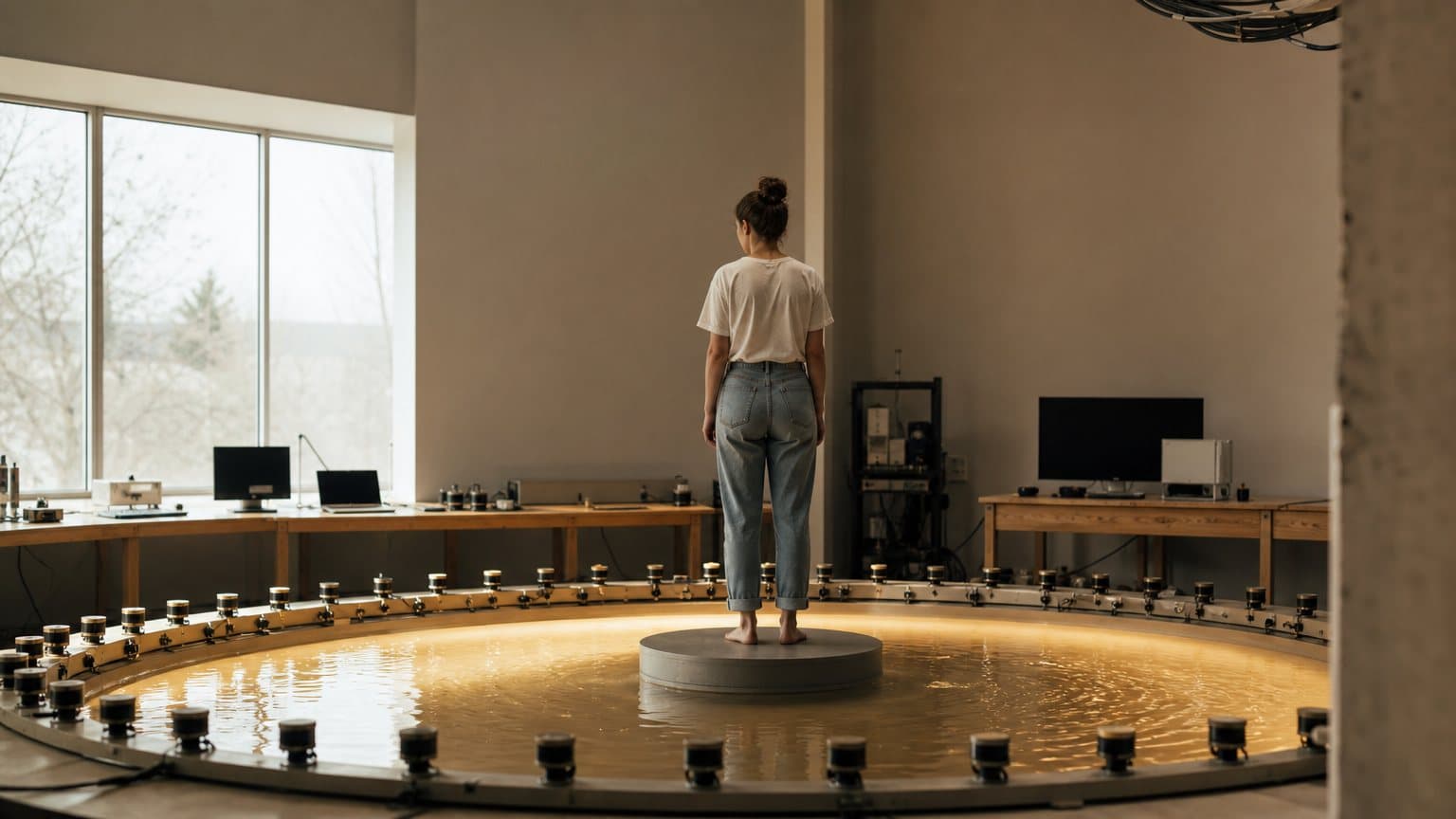
Midjourney Is Building a Medical Scanner. What That Signals for AI Creative Tools
Midjourney released a behind-the-scenes video of the full-body ultrasound scanner it wants to put in spas. Here is what was actually shown, what remains unproven, and what the hardware pivot signals for ad makers who build on AI creative tools.
Seedance 2.0 Pricing: What It Actually Costs (API, Apps, and Credits)
Seedance 2.0 costs $0.3034 per second at 720p through the fal API, $0.682 at 1080p, and about 2.6 to 7 credits per clip inside Novoads: here is the per-platform price map, a 15-second worked example, and the cheapest way to test it.
Seedance 2.0 Prompt Guide for Ads: 12 Prompts That Actually Convert
A practical prompt anatomy for Seedance 2.0 video ads plus 12 copy-paste prompts for product demos, UGC-style scenes, and b-roll, with the exact credit cost to run each one.
Seedance 2.0 vs Sora 2 for Ads: Costs, Audio, and Which to Use
Novoads runs both Seedance 2.0 and Sora 2, and at 720p their credit costs nearly tie. The real fork is synchronized dialogue and a 1080p Pro tier versus 15-second takes and director-level camera control. Here is which to pick for each ad job, with real per-clip credit costs.
Seedance vs Kling for UGC Ads: Same 3-Credit Price, Very Different Strengths
Novoads runs Seedance 2.0 and Kling v3 Pro at identical credit prices, so the spec sheet decides: formats and reference inputs favor Seedance, stability tuning and 3-second clips favor Kling. Here is the verdict by ad use case, with real per-clip credits.
TikTok Ad Disclaimers: What Advertisers Must Show, When, and the 90-Character Rule
TikTok Ads Manager has a disclaimer toggle that adds a label below your in-feed ad: standard text, clickable links, or an AI-generated content disclosure. Here is what each type allows, when TikTok requires one, and how to set it up without a rejection.

What TikTok Counts as Misleading in AI-Generated Ads: 4 Rules That Get Creatives Rejected
TikTok rejects ads for exaggerated results, mismatched landing pages, clickbait mechanics, and before-and-after comparisons. Here is how each rule in its misleading content policy maps to an AI generation failure mode, plus the pre-publish checklist that keeps your creatives approved.
Open-Source ElevenLabs Alternatives for Ad Voiceovers: 6 Honest Picks and Their Real Tradeoffs
Open and local voice models now do a lot of what ElevenLabs does. Here are six real alternatives for ad voiceovers, compared on what actually decides an ad: commercial licensing, batch consistency, emotional range, and setup overhead.