
Blog
Insights for AI advertisers
Guides, strategies, and comparisons for creating AI video ads that convert.
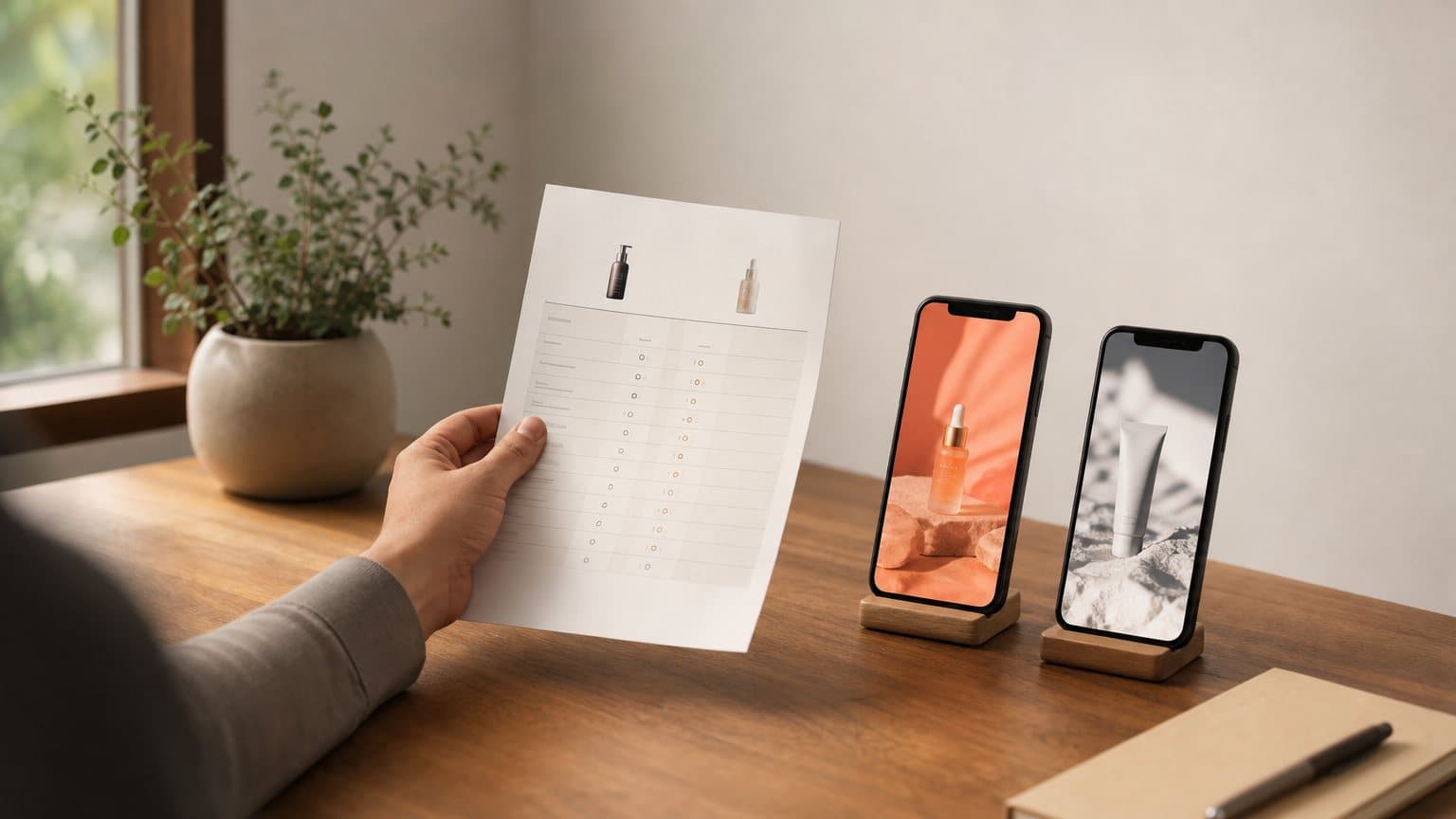
Seedance vs Kling for UGC Ads: Different Prices, Very Different Strengths
In Novoads a 5-second Kling v3 Pro clip is 10 credits and a Seedance 2.0 clip is 23 at 720p. Price matters, but the spec sheet decides: the verdict by ad use case.
TikTok Ad Disclaimers: What Advertisers Must Show, When, and the 90-Character Rule
TikTok Ads Manager has a disclaimer toggle that adds a label below your in-feed ad: standard text, clickable links, or an AI-generated content disclosure. Here is what each type allows, when TikTok requires one, and how to set it up without a rejection.

What TikTok Counts as Misleading in AI-Generated Ads: 4 Rules That Get Creatives Rejected
TikTok rejects ads for exaggerated results, mismatched landing pages, clickbait mechanics, and before-and-after comparisons. Here is how each rule in its misleading content policy maps to an AI generation failure mode, plus the pre-publish checklist that keeps your creatives approved.
Open-Source ElevenLabs Alternatives for Ad Voiceovers: 6 Honest Picks and Their Real Tradeoffs
Open and local voice models now do a lot of what ElevenLabs does. Here are six real alternatives for ad voiceovers, compared on what actually decides an ad: commercial licensing, batch consistency, emotional range, and setup overhead.

Reddit Made Split Testing Self-Serve: How to A/B Test Your AI UGC Ad Variants
Reddit opened Split Testing, its built-in A/B tool in Ads Manager, to every advertiser on July 1, 2026. Here is how to generate multiple UGC ad variants and run a clean split test to find the one that wins.
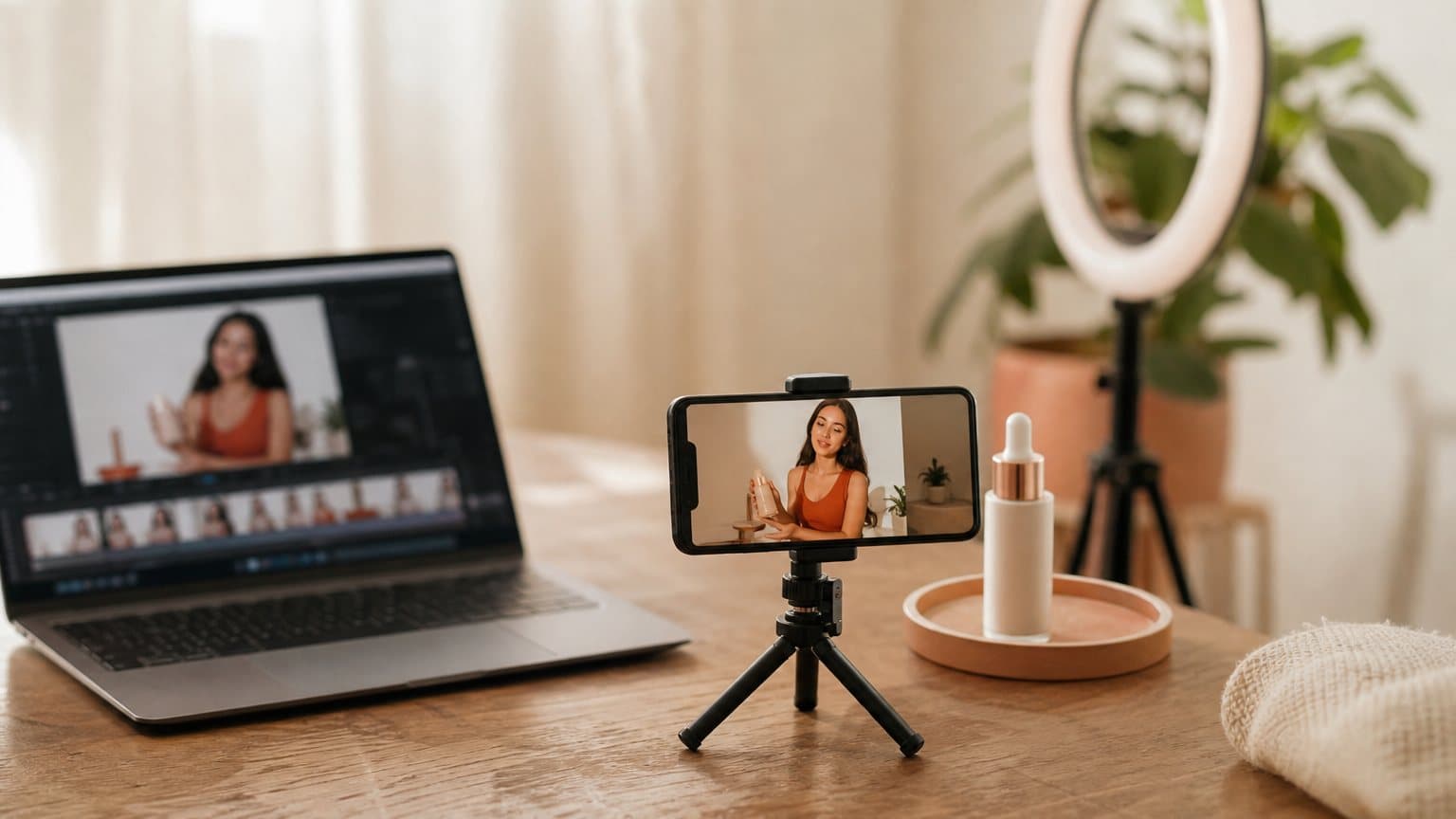
UGC AI: What It Is and How AI Generates UGC-Style Videos
UGC AI is the practice of generating UGC-style videos with AI: a synthetic actor performs a script instead of a person filming. Here is what the term means, how the generation pipeline works under the hood, the output types, and where it fits next to real UGC ads.

High CTR Does Not Mean Your Ads Work: Test 10 Creatives, Track Conversions
Automated bidding and AI optimization have inflated click-through rates, so a high CTR no longer proves an ad works. Here is what to measure instead, and why cheap creative testing finds the ad that actually converts.
Gemini Omni Flash Extends Video to 40 Seconds in Its August 27 GA: The Preview Shut Down October 22
Google made Gemini Omni Flash generally available on August 27, 2026 as 1.1, adding scene extension to 40 seconds, first-and-last-frame control, and 360p-to-4K resolution. Its preview endpoint shut down on October 22, and Google routes 1.1's API calls to Gemini Omni 1.2 Flash from December 3. Here is what changes for ad-makers, and how the model already runs inside Novoads.

Google Is Testing AI Summaries Under Search Ads: 5 Moves Advertisers Should Make
Google Ads is testing AI-generated summaries beneath sponsored results, and it changes what your copy and creative have to do. Here is what is happening and the five moves to make now.

Nano Banana 2 Lite Makes a Product Ad Image in 4 Seconds for $0.034
Google launched Nano Banana 2 Lite, a fast text-to-image model that returns a picture in about four seconds for $0.034. Here is what a cheap, fast AI image model changes for ecommerce ad-makers who live on product photos and static variations.
Seedance 2.0 vs Veo 3.1 for Video Ads: 5 Specs That Decide Your Pick
Novoads runs both Seedance 2.0 and Google Veo 3.1, and the pick comes down to five specs: realism, motion, audio, clip length, and a cost gap of 23 credits versus 72 for a short clip.

How to Disclose AI-Generated UGC Ads on TikTok: A 5-Step Compliance Checklist
TikTok asks you to label realistic AI content, and for a UGC ad that means a synthetic actor or voice. Here is what counts, how to add the label in a few taps, and a 5-step checklist to stay compliant.