
Video ads
Articles about Video ads.

Creative Fatigue: Meta's 2x Cost Signal, TikTok's Refresh Triggers, and What to Change
Creative fatigue is an audience seeing the same ad too many times. Here is how Meta's Creative limited and Creative fatigue statuses, frequency and TikTok's refresh triggers flag it, and what to make next.
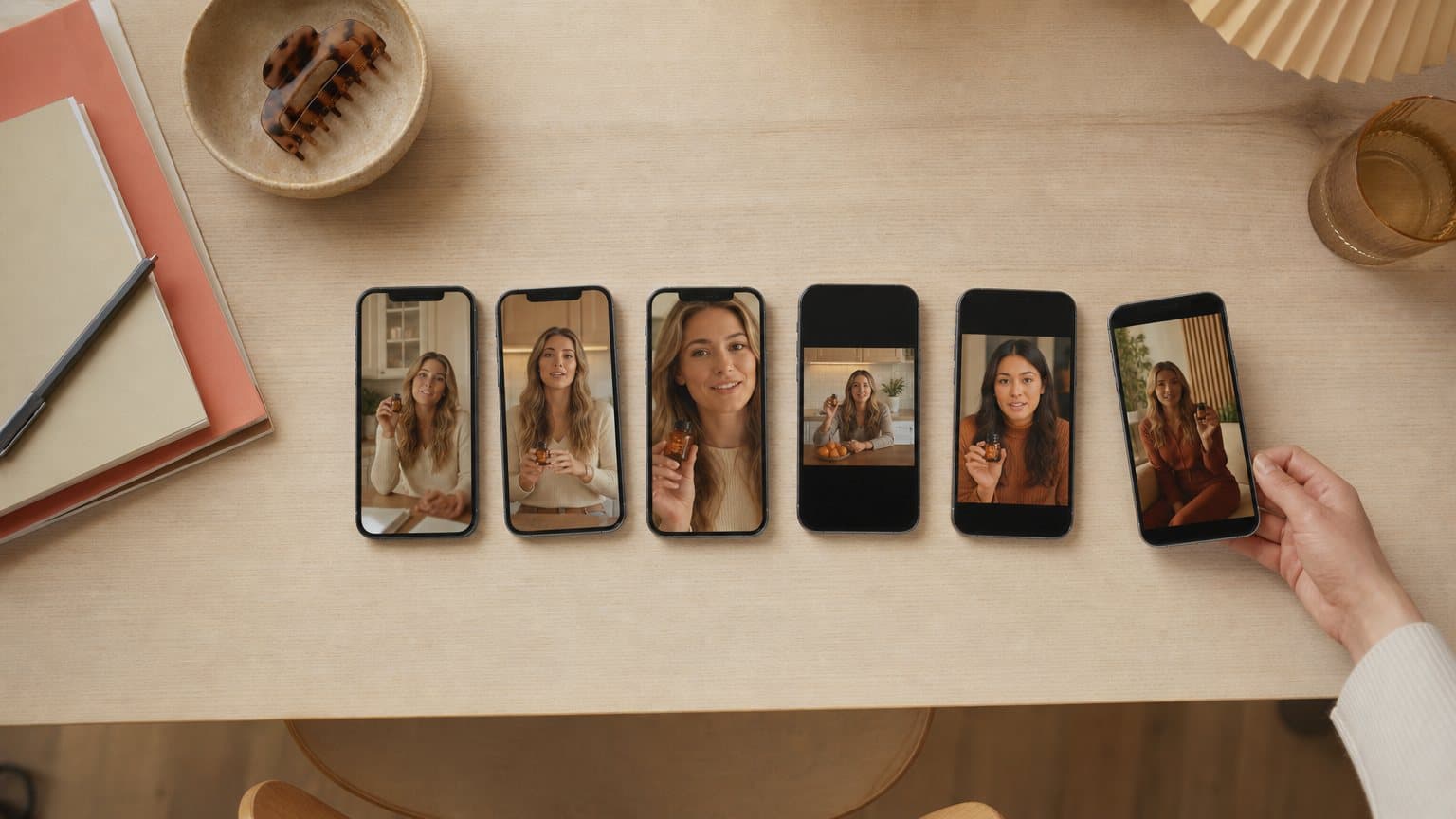
How to Create Ad Variations: A 5-Layer System for Iterating One Winning Ad
To create ad variations from a winning ad, change one layer per round (hook, presenter, format, text, then offer framing), package the versions inside one ad where Meta allows it, name each file by the variable it tests, and stop when the changes add up to a new concept.

HeyGen vs Colossyan: An Ad Product Against a Training Platform
HeyGen publishes a product page built for ad creative. Every one of Colossyan's six published use cases is training or enablement. Here is what that positioning gap means when you have to pick one, with prices dated September 2026.
How to Make a YouTube Ad That Survives the 5-Second Skip, Format by Format
To make a YouTube ad, pick the format before you write the script, because each one skips differently: skippable in-stream ads can be skipped after 5 seconds, bumpers run 5 to 6 seconds, non-skippable ads stop at 30 seconds in the auction, and Shorts ads can be swiped away at once. Here is the length, script, frame and launch plan for each.
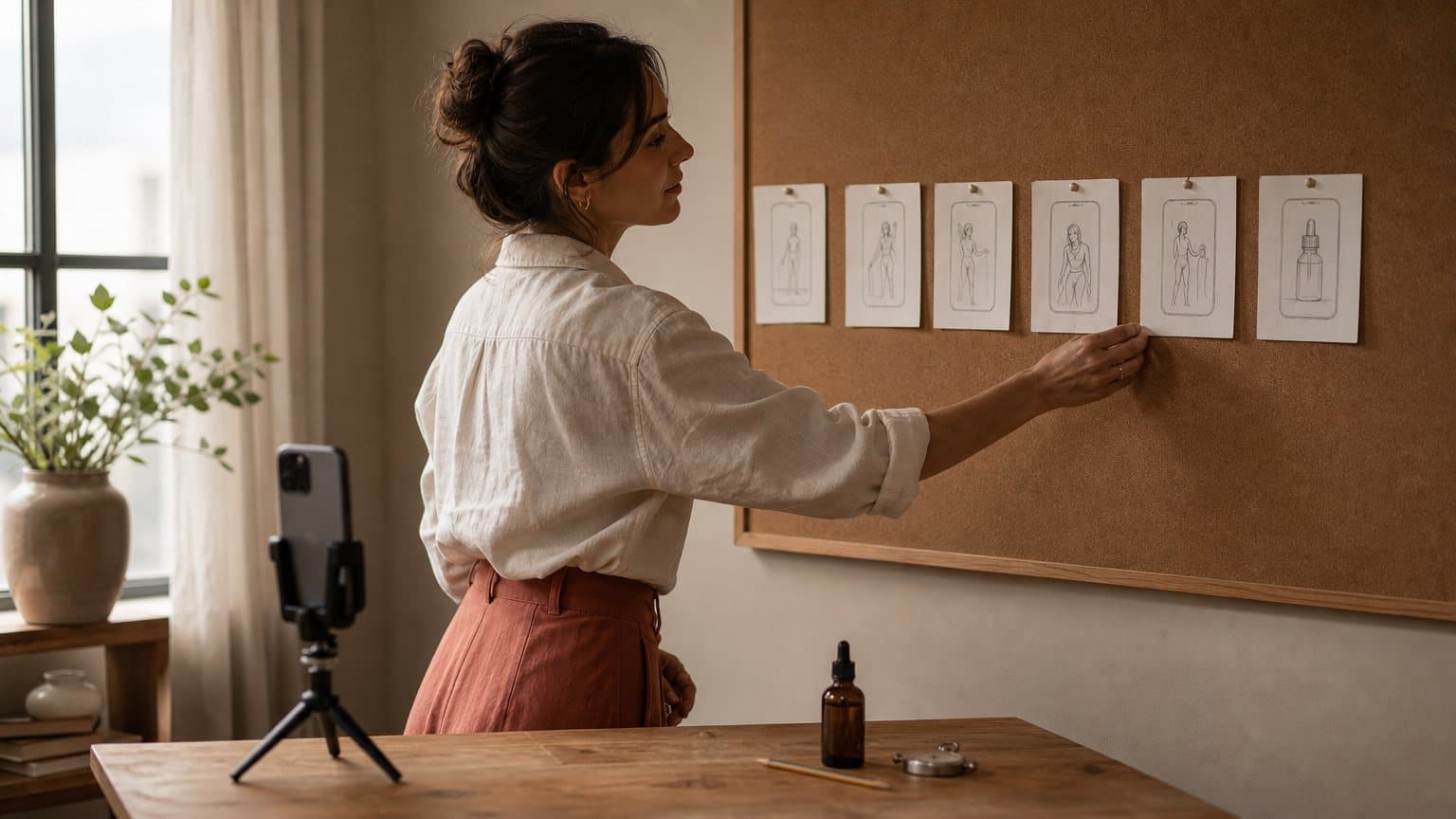
Video Ad Storyboard: How to Turn a 30-Second Script Into a Shot List
A video ad storyboard splits the script into beats, gives each beat one shot and draws each shot as a frame inside the placement's safe zone, before anyone films or generates. Here is the four-step method, a 30-second worked example and how to render each shot with AI.

Ad Creative Strategy: The Four Decisions to Make Before You Produce a Single Ad
Ad creative strategy is the plan you make before production: which reasons to buy your ads will argue, which format proves each one, how each ad opens, and what the batch has to teach you.

Ad Hook Variations: How to Test Ten Openings on One Video Ad
Ad hook variations are several openings cut onto one fixed ad body. Write ten, hold every one to the same length, run them five at a time, and read attention before cost per result.
Best Hailuo AI Alternatives for Video Ads: 6 Models Compared on Price and Length
MiniMax's Hailuo line now runs to H3, which Luma's credit table prices below Kling 3.0, Seedance and Veo 3.1 per second at similar resolutions. Here are six alternatives for video ads, with list prices, take lengths and which ones run inside Novoads.

Best Kling AI Alternatives for Video Ads: 7 Picks by Price per Second and Job
Kling 3.0 Pro lists at $0.168 a second with audio on at fal, and it is a strong ad engine. It is not the best buy for every job. Here are seven Kling alternatives mapped to the work you hire Kling for, with per-second list prices and Novoads credit costs side by side.

Higgsfield vs Seedance: Higgsfield Resells the Model, Behind a $49 Plan Gate
Seedance is ByteDance's video model and Higgsfield is one platform that resells it, so the real choice is where to run Seedance 2.5: on Higgsfield's $49 Plus plan, on fal's per-second API or inside Novoads, priced per take as of September 2026.

How to Create a Product Demo Video: One Script, Three Cuts, Three Lengths
To create a product demo video, script one job from problem to result, capture it on the device or in hand, then cut three versions: a 15 to 30 second store preview, a muted-first ad and a longer walkthrough.

InVideo vs Higgsfield for Ad Videos: Editor or Generator at About $50 a Month
InVideo is a timeline editor that now generates; Higgsfield is a 30-plus-model suite that now makes ads. Both keep Seedance 2.5 off the entry plan. Plans, per-second credit math and fit for ad work, as of September 2026.

Luma AI vs Runway for Video Ads: What a 5-Second Clip Costs on Each
Luma's Ray3.2 and Runway's Gen-4.5 are both sold by the credit, next to a shelf of rented models. Here is what a 5-second clip costs on each by resolution and plan, what a month buys, and how HDR, agents and editing change the math, as of September 2026.
How to Repurpose Winning Ads Into Four New Concepts Without Losing What Worked
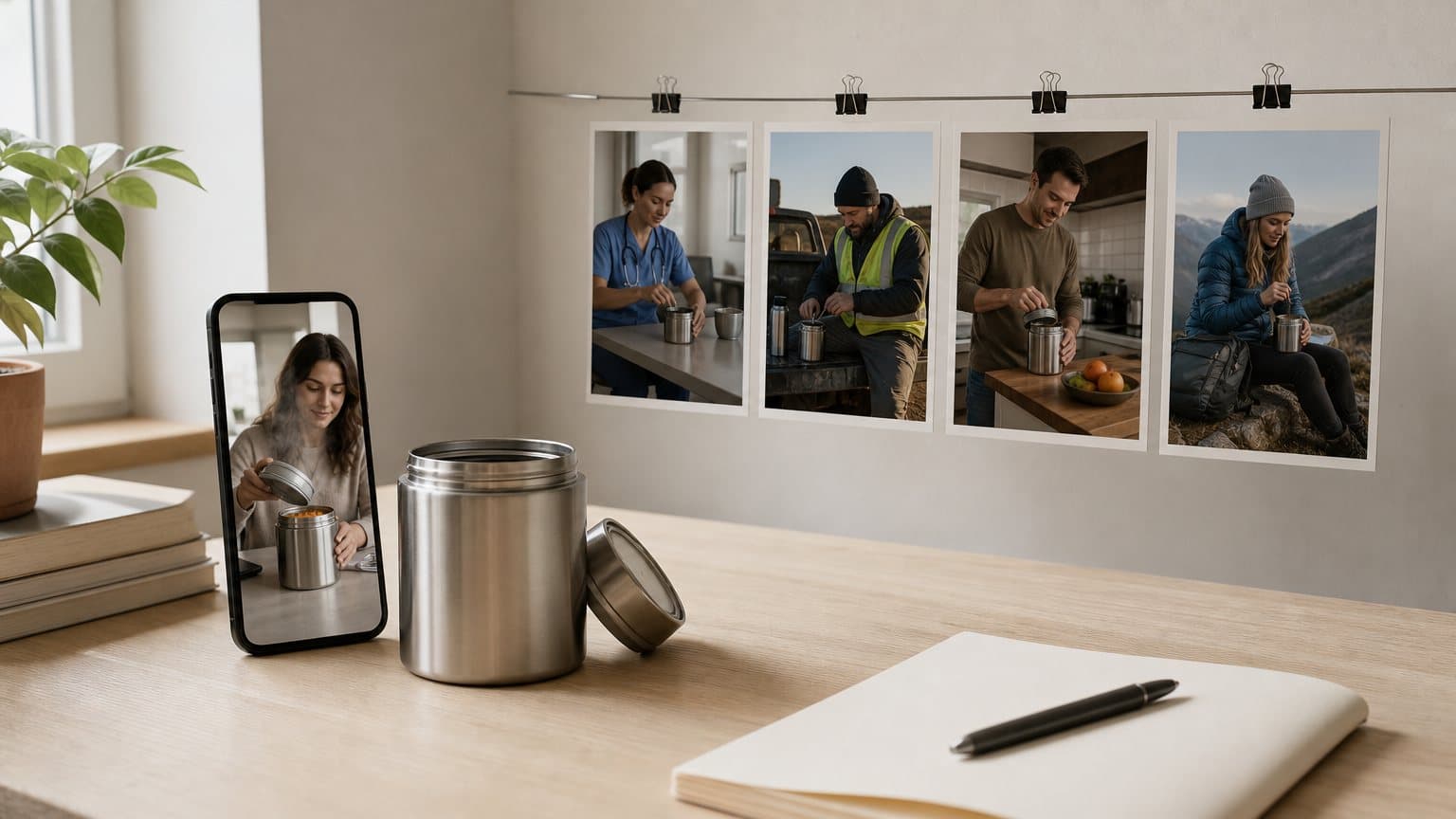
Repurposing a winning ad means keeping what it proved (the promise, the proof, the offer and the beat order) and rebuilding it around one of the four changes Meta's creative-fatigue lesson names: a different product benefit, a new use case, a fresh perspective, or different people and situations.
Runway vs Kling for Video Ads: Runway Resells Kling, So Compare Price and Workflow
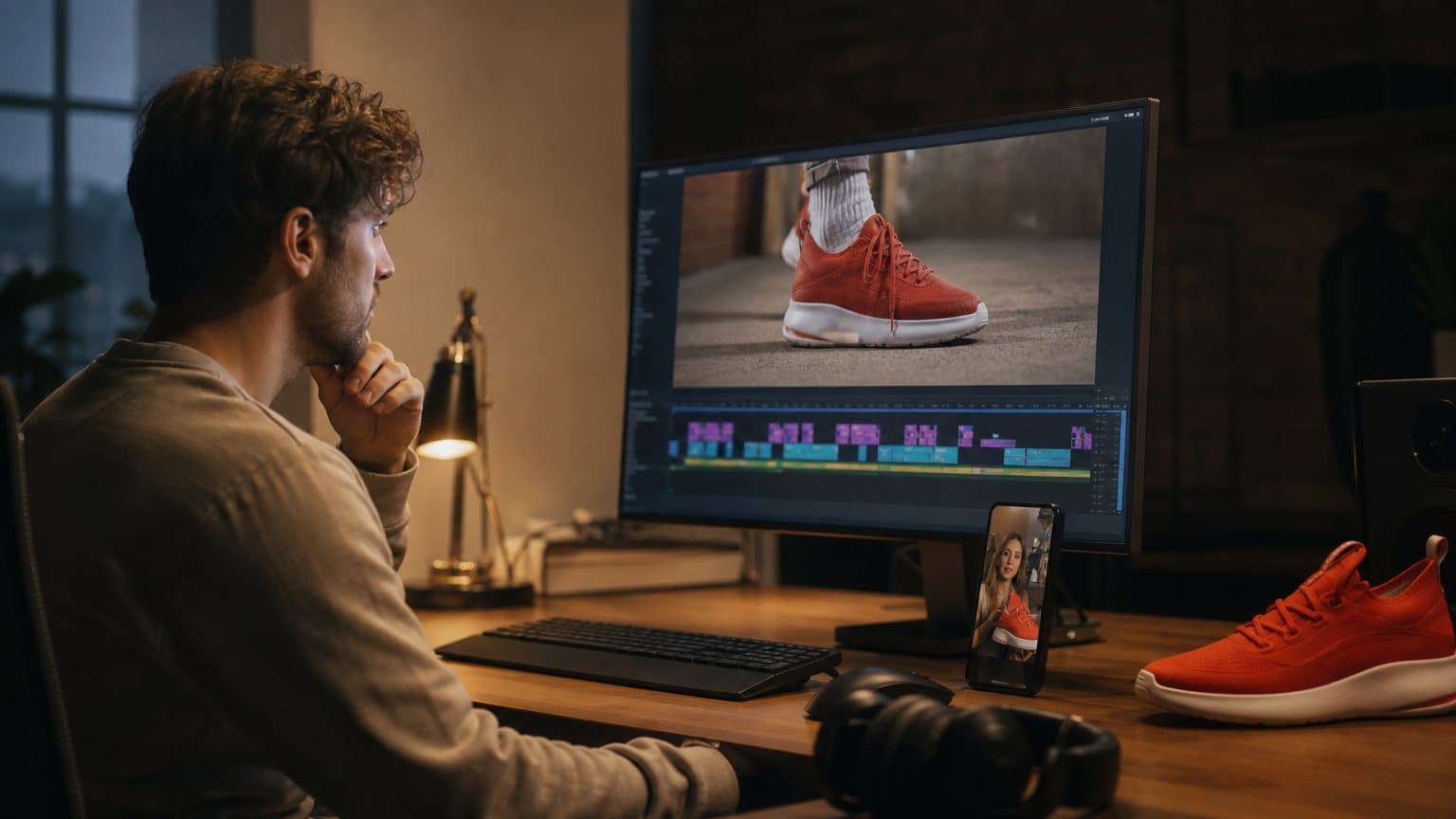
Runway's paid plans already include Kling 3.0 next to its own Gen-4.5, so the real choice is Runway's editing workflow against Kling's one-pass sound and 15-second takes. Here are both, priced per second as of September 2026.
Runway vs Seedance for Video Ads: Pay 2.5x per Second for 3x Longer Takes
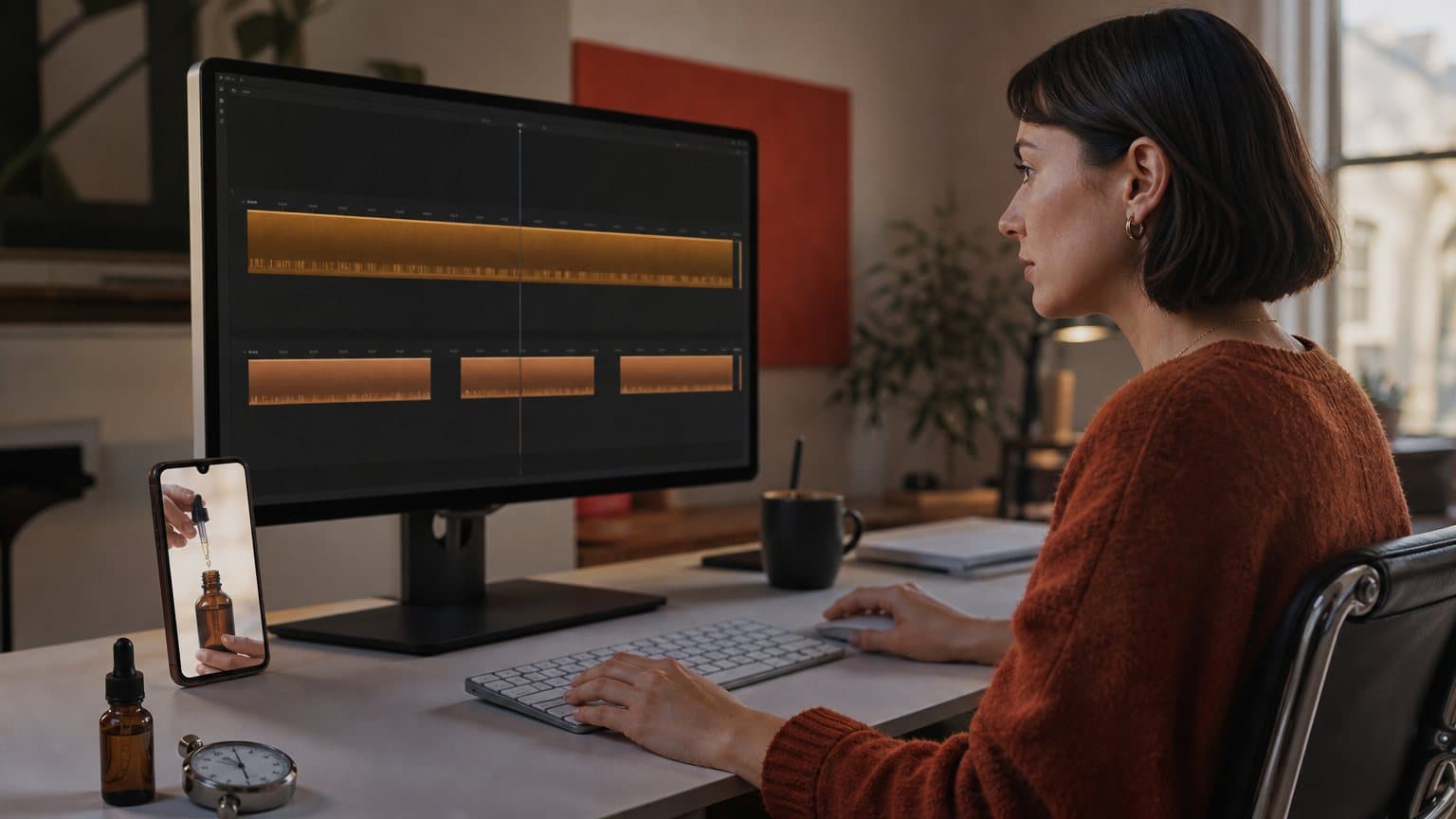
Runway sells ByteDance's Seedance 2.5 next to its own Gen-4.5, so the real choice is which engine gets your credits. On Runway's API, Seedance 2.5 costs 30 credits a second at 720p against 12 for Gen-4.5, and runs one take up to 30 seconds against 10. Cost, length and motion for ad makers, as of September 2026.

Runway vs Veo for Video Ads: The Same $0.40 a Second, Bought Two Ways
Runway sells Google's Veo 3.1 on every paid plan, and its API charges the same $0.40 a second with sound that Google does. The gaps are silent clips, Google's cheaper Fast and Lite tiers, and the editing suite around the clip, priced as of September 2026.

Seedance vs Nano Banana for Ads: When One Clip Is Worth 17 Stills
Seedance is ByteDance's video model and Nano Banana Pro is Google's image model, so the real choice is when an ad needs motion. In Novoads, a 5-second Seedance 2.5 clip at 720p costs the credits of 17.5 Nano Banana Pro stills. Here is when motion earns that, when a still is enough, and how to chain the still into the clip.
AI Video Camera Controls Are Now Numbers: What 12 Keyframes Change for Product Ads
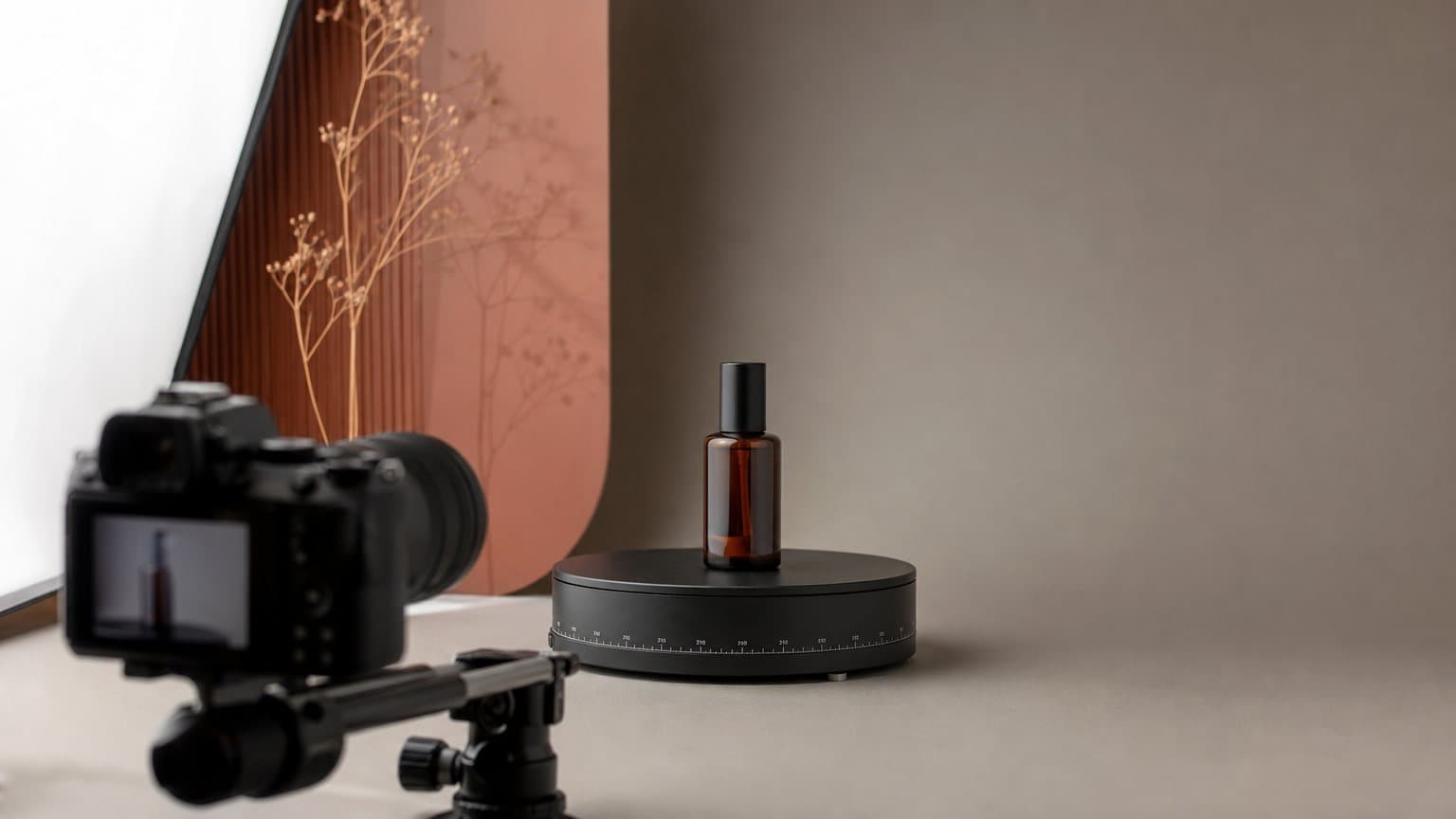
A camera move used to be an adjective inside a prompt. On fal's H3 Max camera endpoint it is a typed array of up to 12 keyframes, each carrying an angle, a height and a distance. Here is what a replayable camera path buys a product ad, and where a written move still wins.

Video Ad Benchmarks 2026: Hook Rate 25.44%, CTR 1.93%, ROAS 2.17, and What to Fix
Across 88,329 Meta video ads in the first half of 2026, the averages were a 25.44% hook rate, 1.93% CTR and 2.17 ROAS. Here is what each metric measures, and the specific change to make when yours comes in under the bar.

Best Pika Alternatives for Ad Creative: 6 Tools Compared on Cost per Usable Ad
Pika now runs Seedance 2.5, Veo 3.1 and its own Pika 2.5, with monthly credits from $10 a month and a commercial license only from its $35 Creator plan. Here are six Pika alternatives mapped to real ad creation, compared on native audio, workflow, and the kind of ad each one actually finishes.
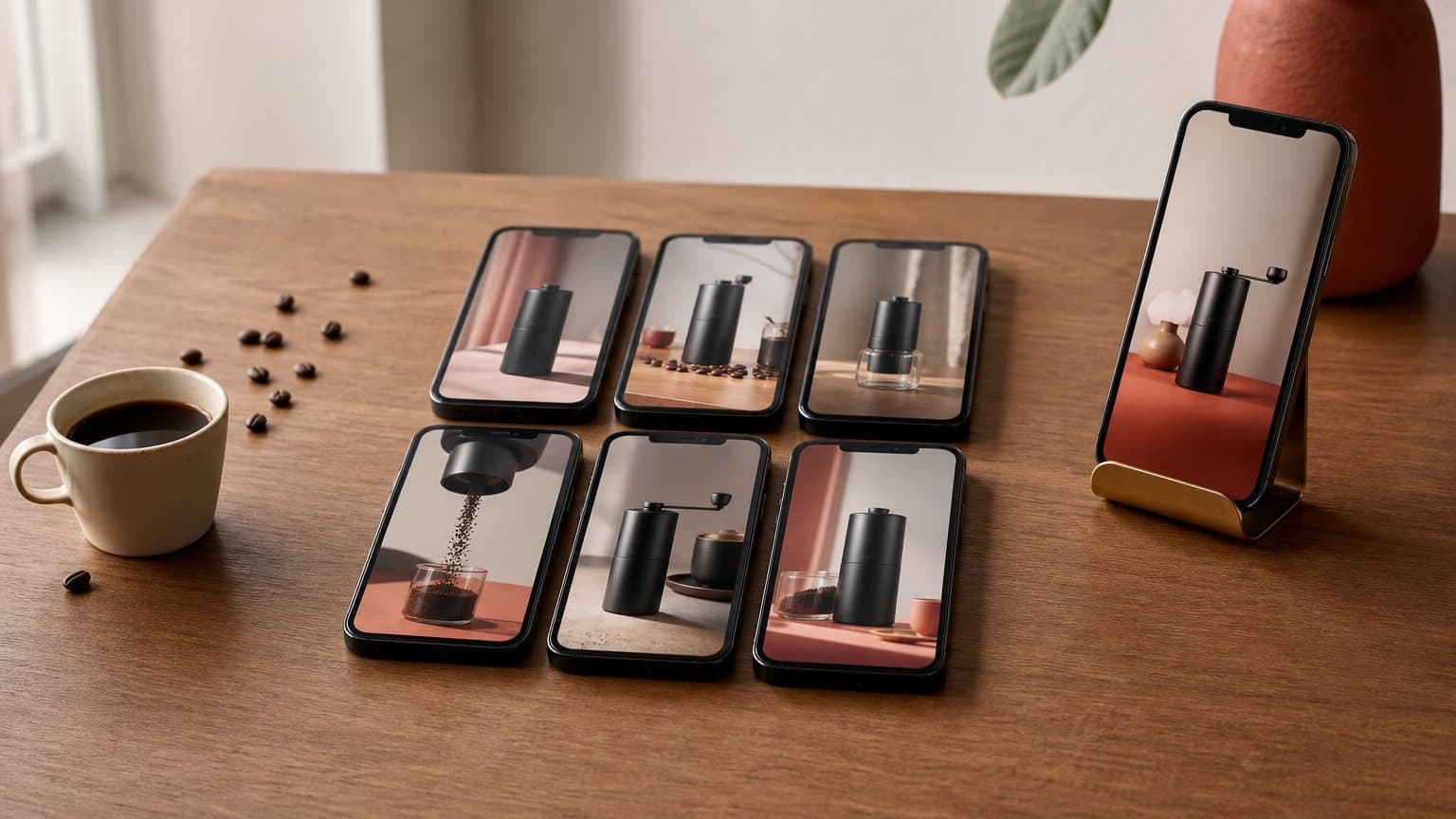
Best Veo 3 Alternatives for Ad Creators: 5 Models, From 5 Credits a Clip
Google Veo 3.1 is the most expensive video row on our pricing page, at a flat 72 credits per video. Here are the five other models on that same table, from 5 credits a clip, mapped to the ad each one actually makes.
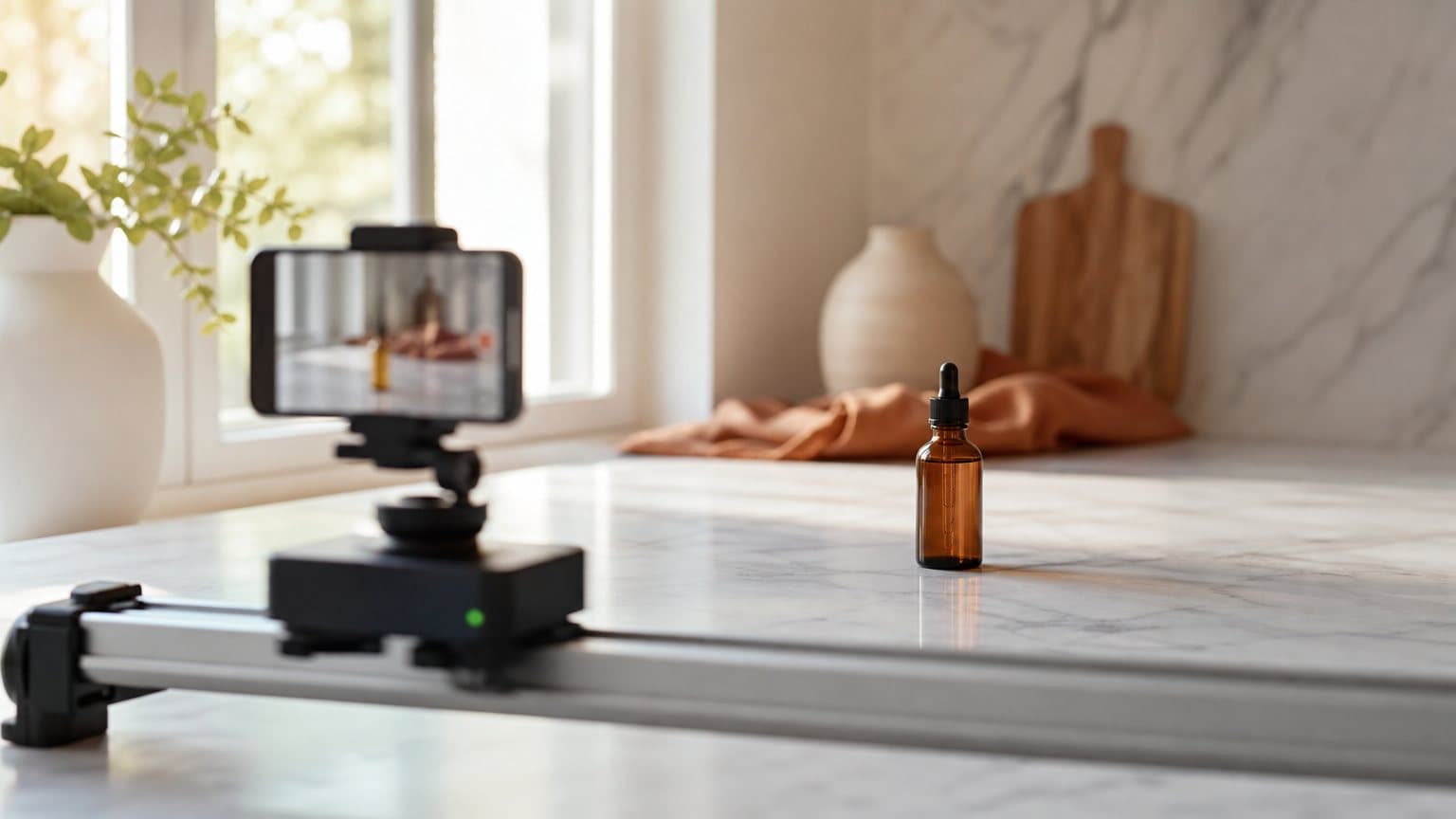
AI Video Camera Movement Prompts: Nine Direction Words and a 38% Miss Rate
Camera movement in AI video ads is set by the sentence you write, not by a slider. Here are the direction words that land, the phrasings that break a shot, and how often even the best-scoring model misses.

How to Clone a Competitor's Ad Without Copying It: Structure Transfers, Footage Doesn't
Cloning a competitor's ad means rebuilding the four things you can observe (the hook, the beat order, the offer and the format) with your own footage and your own claims, because structure is what transfers between two ad accounts and the asset never does.

Reference-to-Video Upload Rules: 9 Image Slots, Positional Tags, and a Binding That Expires
Reference-to-video takes three arrays and a text field. The tags in your prompt are array indices rather than labels you choose, the ceiling is 12 files across all modalities, and the binding expires with the request. Here is the full input contract, the notation that differs on every surface documenting it, and the two jobs it will not do.

Video Ad Specs by Platform: Six Networks, Six Spec Sheets, One Video File
LinkedIn, Snapchat, Pinterest, TikTok, Meta and Google each publish their own video ad requirements for aspect ratio, duration, file size and resolution. Here is what each one states, and the single cut that clears all six.

AI Video Ad Creative Goes Mainstream: Nearly Two-Thirds of Buyers Now Use GenAI
IAB's full 2026 video report, published July 14, says nearly two-in-three video ad buyers now use GenAI for digital video creative, up from half in 2025, with a third of their ad assets already AI-assisted.

AI Avatar From a Photo: How to Make Spokesperson Video Ads Without Filming
An AI avatar from a photo turns a single headshot into a person who reads any script on camera, so you can make spokesperson-style video ads without a camera, actors, or a studio.

Ecommerce Video Ads: 7 Winning Examples and How to Make Them With AI
Ecommerce video ads are short vertical product videos that sell by showing the product in use. Here are seven formats that convert and how to produce them with AI in minutes.

Google Ads Video Campaign Groups: One Frequency Goal Across All Your YouTube Campaigns
Google made video campaign groups globally available in Google Ads on July 13, 2026: one reach or frequency goal across multiple YouTube video campaigns, campaign budgets and creative untouched, unified reporting. Here is what it changes and what to do this week.

Facebook Video Ad Examples: 7 Campaigns Meta Documented, and How to Rebuild Each One
Seven real Facebook video ad campaigns, each one published by Meta itself, broken down by what the opening seconds do, the format envelope they were built inside, and the single step that rebuilds each mechanic for your product.
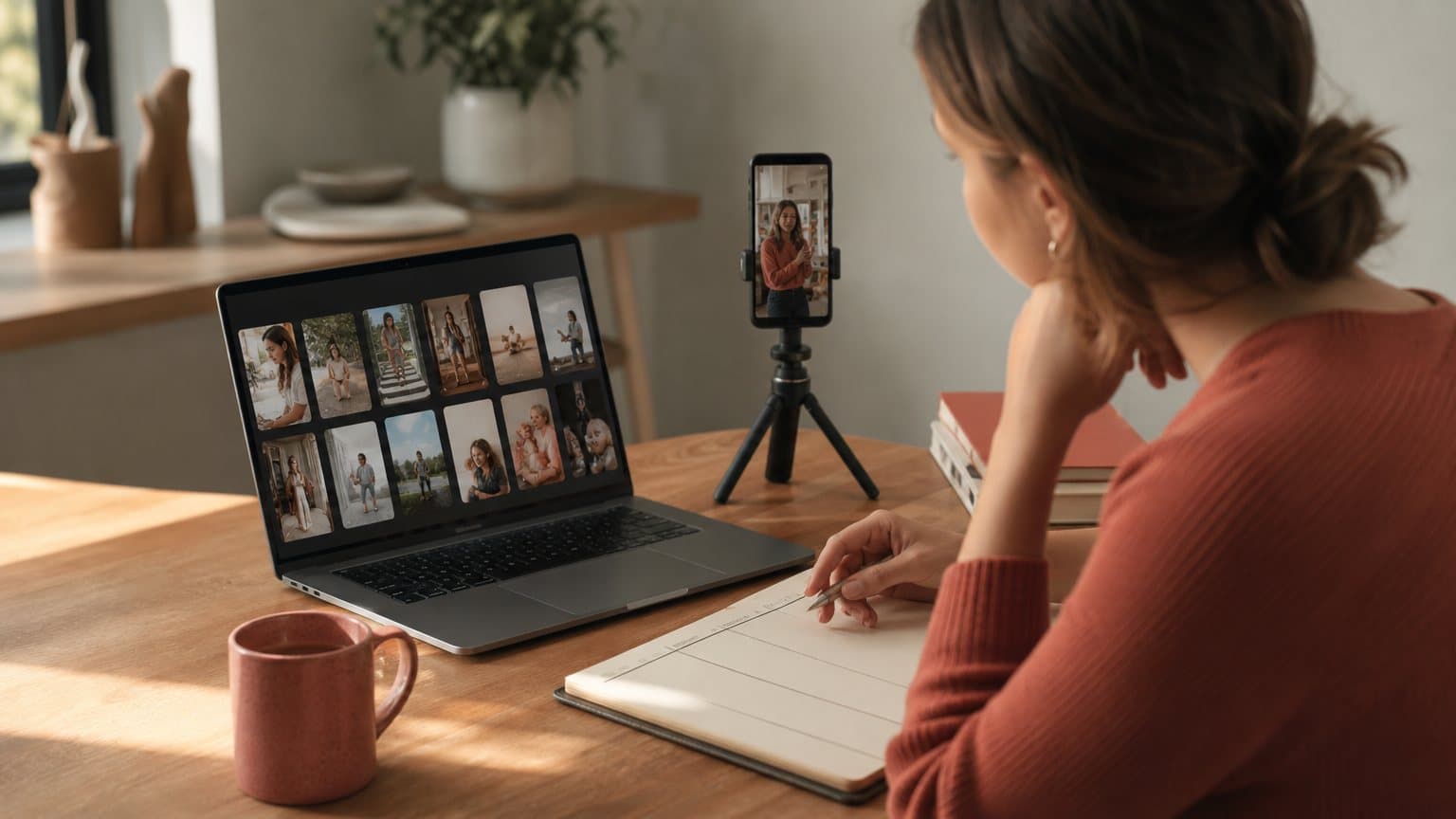
Instagram Ad Examples: 6 Ads That Work and the 4 Layers Behind Every One
Six Instagram ad examples torn down layer by layer: what the first frame promises, who is credible saying it, what the ad shows instead of claims, and what it asks for. Plus how to verify any example yourself in the Ad Library.
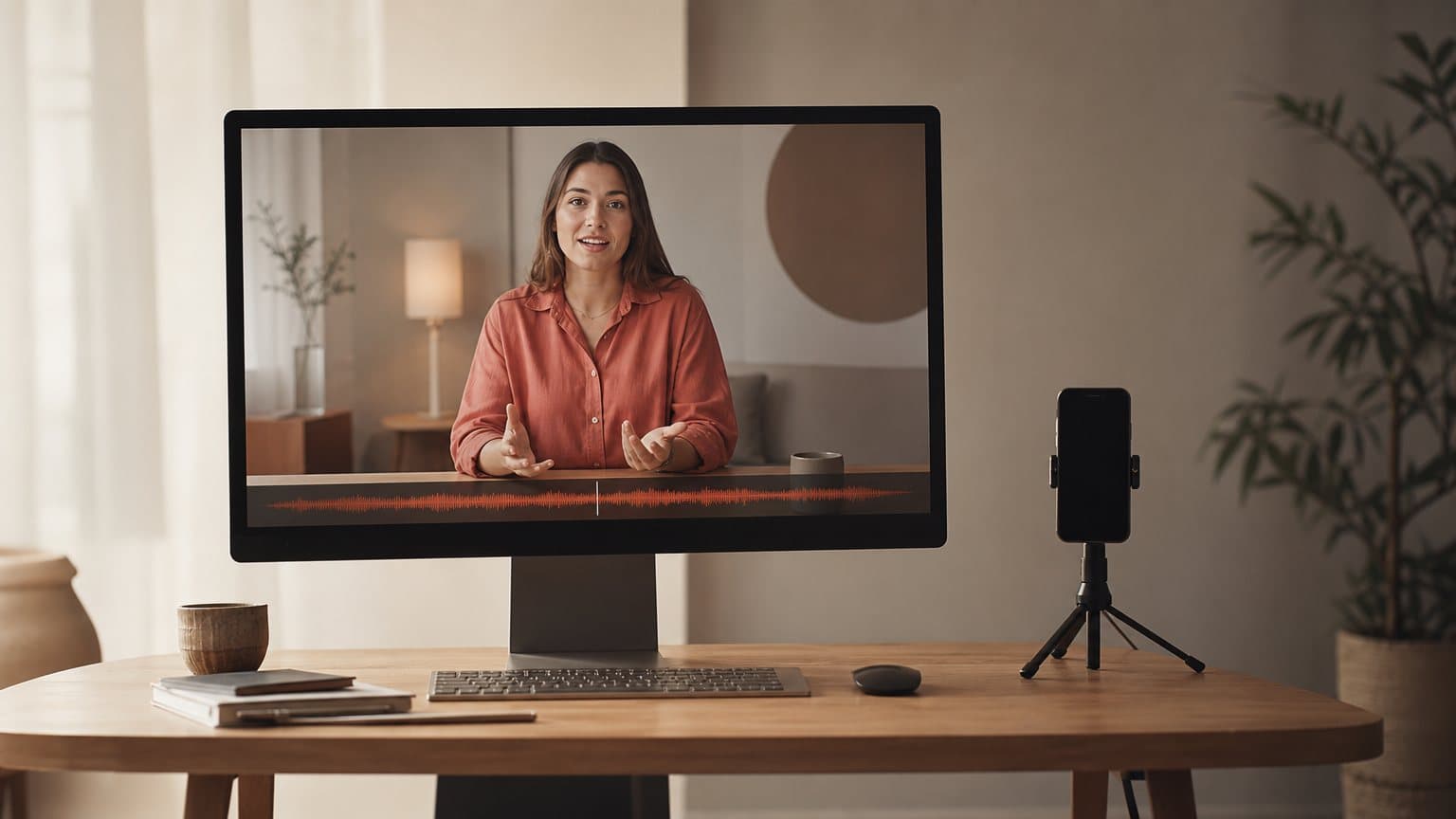
AI Avatar Video Generator: How It Works and the 5 Best Tools for Ads
An AI avatar video generator turns a typed script into a realistic person speaking on camera. Here is how the tech works and the best tools for AI spokespersons and UGC-style ad actors.

AI Commercial Generator: How to Make a TV-Style Commercial in Minutes, Not Weeks
An AI commercial generator turns a product brief into a polished, TV-style commercial, generating the script, video, voice, and sound in one flow. Here is how to make a commercial with AI, the models that do it, and when a commercial beats UGC.

Best Runway Alternatives for Ad Creators: 6 Tools, Priced Per Second
Runway's entry plan buys 52 seconds of Gen-4.5 a month, by Runway's own arithmetic. Here are six Runway alternatives for ad creators, each with its entry price, the billing basis behind that price, and what one 15-second take draws from the month.
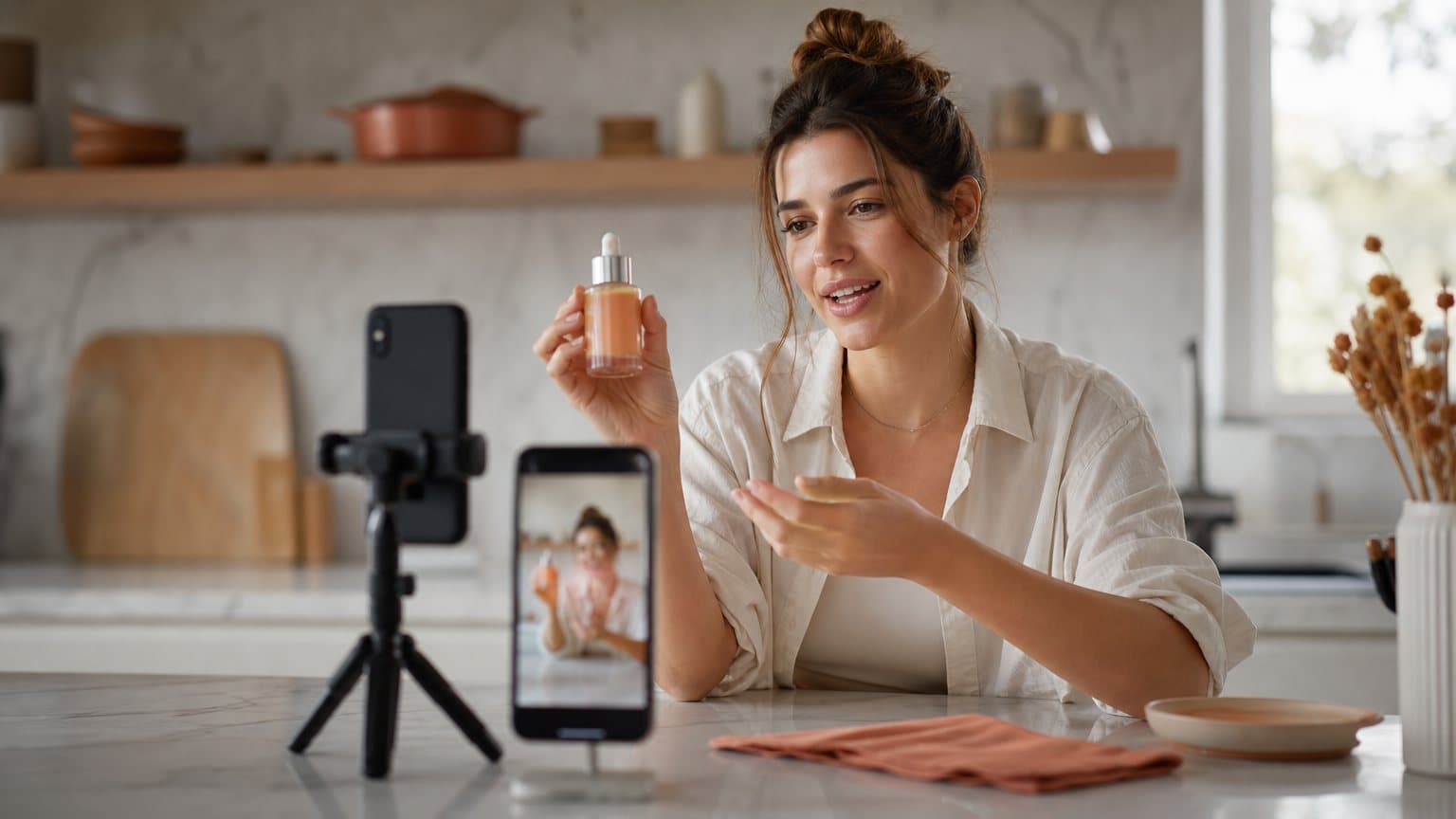
UGC Ad Examples That Convert: 5 Patterns and How to Recreate Each With AI
The best UGC ad examples share five repeatable patterns: problem/solution, unboxing, testimonial, before/after, and POV. Here is why each UGC video example converts, plus the exact way to recreate it with AI in minutes.

Native 4K AI Video Ads Are Here: Does 4K Move Social Ad Performance?
Native 4K and 30-second AI clips are arriving fast, but social feeds recompress every upload, so 4K only earns its cost in a few specific places and is wasted spend everywhere else.

Google Ads Creative Standards in 2026: What Changed for Video Ads
Google Ads video creative standards shifted in 2026: multi-format is the default, Google AI auto-generates and edits video assets, and coverage across 16:9, 1:1, and 9:16 now shapes delivery. Here is what changed and how to keep control of your ads.

Seedance 2.0 Prompt Guide for Ads: 12 Prompts That Actually Convert
A practical prompt anatomy for Seedance 2.0 video ads plus 12 copy-paste prompts for product demos, UGC-style scenes, and b-roll, with the exact credit cost to run each one.

Ad Hooks: 12 Formulas for Writing the First Three Seconds of a Video Ad
An ad hook is the first three seconds of a video ad: the first frame, the first spoken line and the on-screen text. TikTok and Meta both ask for the key message inside that window. Here are 12 formulas to write one, a worked example and hooks by category.